Foot Drop — Causes, Treatment and Walking Support
Foot drop is the inability to lift the front of the foot due to weakness or paralysis of the muscles that control dorsiflexion. It causes the toes to catch or drag when walking and increases the risk of trips and falls.
Written and reviewed by qualified physiotherapists across the Mobile Physiotherapist network. Last updated: 29 May 2026.
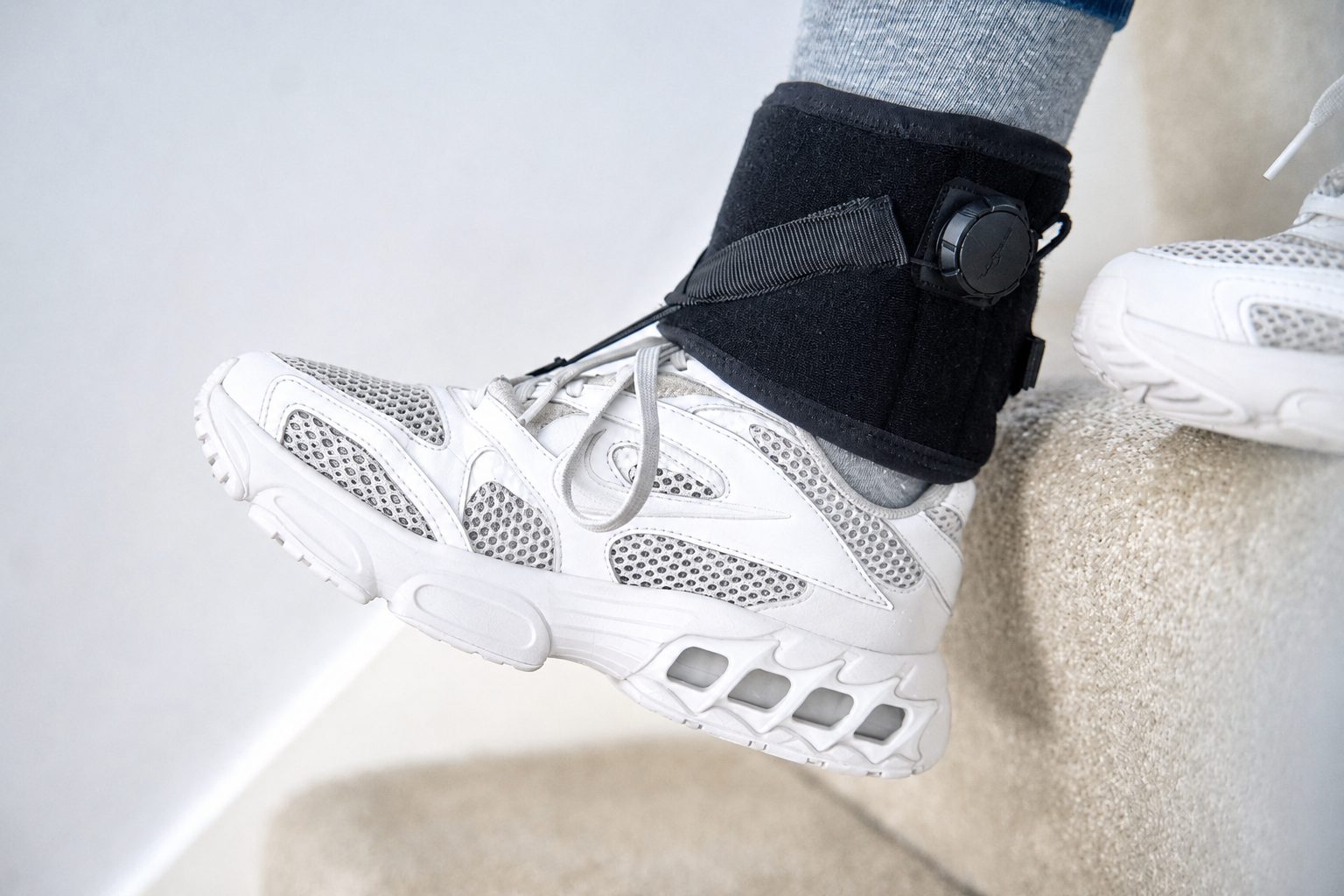
What is foot drop?
Foot drop, sometimes called drop foot, describes a walking problem rather than a diagnosis in itself. The front of the foot does not lift well enough during the swing phase of walking, so the toes may drag, catch on the floor or land with a slap. Some people compensate by lifting the knee higher than usual, turning the leg out slightly or taking shorter, more cautious steps.
The movement that lifts the foot is called dorsiflexion. It depends on the muscles at the front of the shin, the nerves that supply those muscles, and the brain and spinal cord pathways that control movement. Foot drop can therefore come from a local nerve injury, a neurological condition, a spinal problem, muscle disease or recovery after surgery. Our dedicated what is foot drop guide explains the symptoms and first steps in more detail.
Common causes
The most common cause of foot drop is a problem affecting the peroneal nerve, which runs around the outside of the knee and helps control the muscles that lift the foot. It can be irritated by compression, injury, prolonged positioning or sometimes surgery. Foot drop can also happen after stroke, multiple sclerosis, cerebral palsy, spinal stenosis, a slipped disc, peripheral neuropathy, traumatic brain injury or muscle disorders.
For a focused explanation of this common nerve-related cause, read our peroneal nerve injury and foot drop guide.
The cause matters because it influences treatment, prognosis and whether medical tests are needed. New foot drop should be assessed, especially if it comes on suddenly, follows an injury or surgery, is linked with back pain, or is accompanied by numbness or wider weakness. See the full foot drop causes guide for a more detailed breakdown.
Treatment and rehabilitation options
Most foot drop management combines rehabilitation with practical support for walking. The right blend depends on whether the foot drop is mild or severe, flexible or fixed, recent or long-standing, and whether it is caused by nerve, brain, spinal cord or muscle changes.
Physiotherapy and exercises
Physiotherapy may include dorsiflexion strengthening, calf stretching, balance work, gait re-training, walking practice and advice on safe activity levels. Exercises are most useful when matched to the cause and ability level. Start with our foot drop exercises guide.
Foot drop splints and AFOs
Splints and ankle foot orthoses support the foot during walking, reduce toe catching and may improve confidence. Some are light and flexible; others are more rigid and controlling. Compare foot drop splints and AFO splints.
Functional Electrical Stimulation
Functional Electrical Stimulation, often shortened to FES, uses small electrical impulses to activate muscles during walking. It can help some people with foot drop caused by neurological conditions and is usually assessed by a specialist service.
Surgery
Surgery is usually considered only when conservative options are not enough or when the underlying cause needs surgical treatment. If symptoms start after an operation, read foot drop after surgery and contact the surgical team.
Foot drop by cause
Foot drop after stroke often needs neurological rehabilitation, repeated task practice, tone management and careful equipment choice. Read more about foot drop after stroke if weakness, spasticity or altered sensation affects your walking.
Children with foot drop or similar walking problems may have different needs from adults. Growth, play, school, footwear, confidence and developmental conditions all matter. Our foot drop in children guide covers paediatric assessment, orthotics and walking support, while cerebral palsy and foot drop focuses on tone, gait and splint decisions.
For many people, the daily questions are practical: what shoes work, how to reduce trips, whether driving is affected, and how to stay active without feeling unsafe. Our living with foot drop guide focuses on those day-to-day decisions.
Choosing the right support
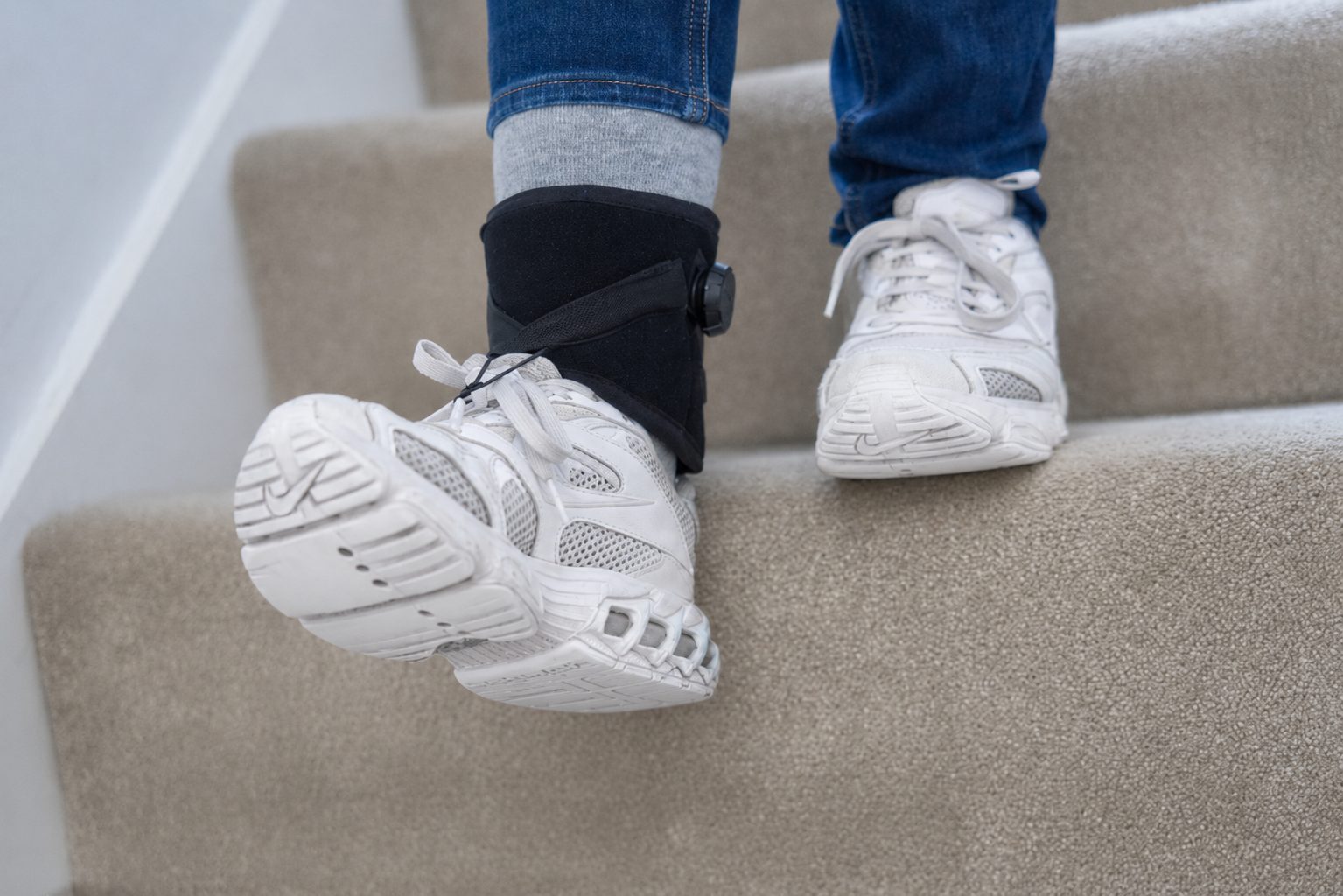
A support that helps one person may be too rigid, too flexible, too bulky or too fiddly for someone else. AFOs can provide strong ankle control and stability, but may restrict ankle movement and can be harder to fit into some shoes. Lighter foot drop braces and splints may be easier to wear and more discreet, but may not give enough control for severe weakness, marked spasticity or complex deformity.
The OrthoPed splint is a patented foot drop splint established by physiotherapist Claire Williamson, formerly Claire Narborough. OrthoPed says it can be used with lace-up shoes or suitable Velcro-fastening shoes, works on either foot and has been tested by the National Physical Laboratory and in clinical studies with the University of Portsmouth and two NHS Trusts. It is one possible option within a wider support pathway, not a replacement for assessment where symptoms are new, severe or complex.
For side-by-side guidance, read AFO vs foot drop brace, best foot drop support and walking with a foot drop splint. If you want product-specific information, visit the OrthoPed foot drop splint page.
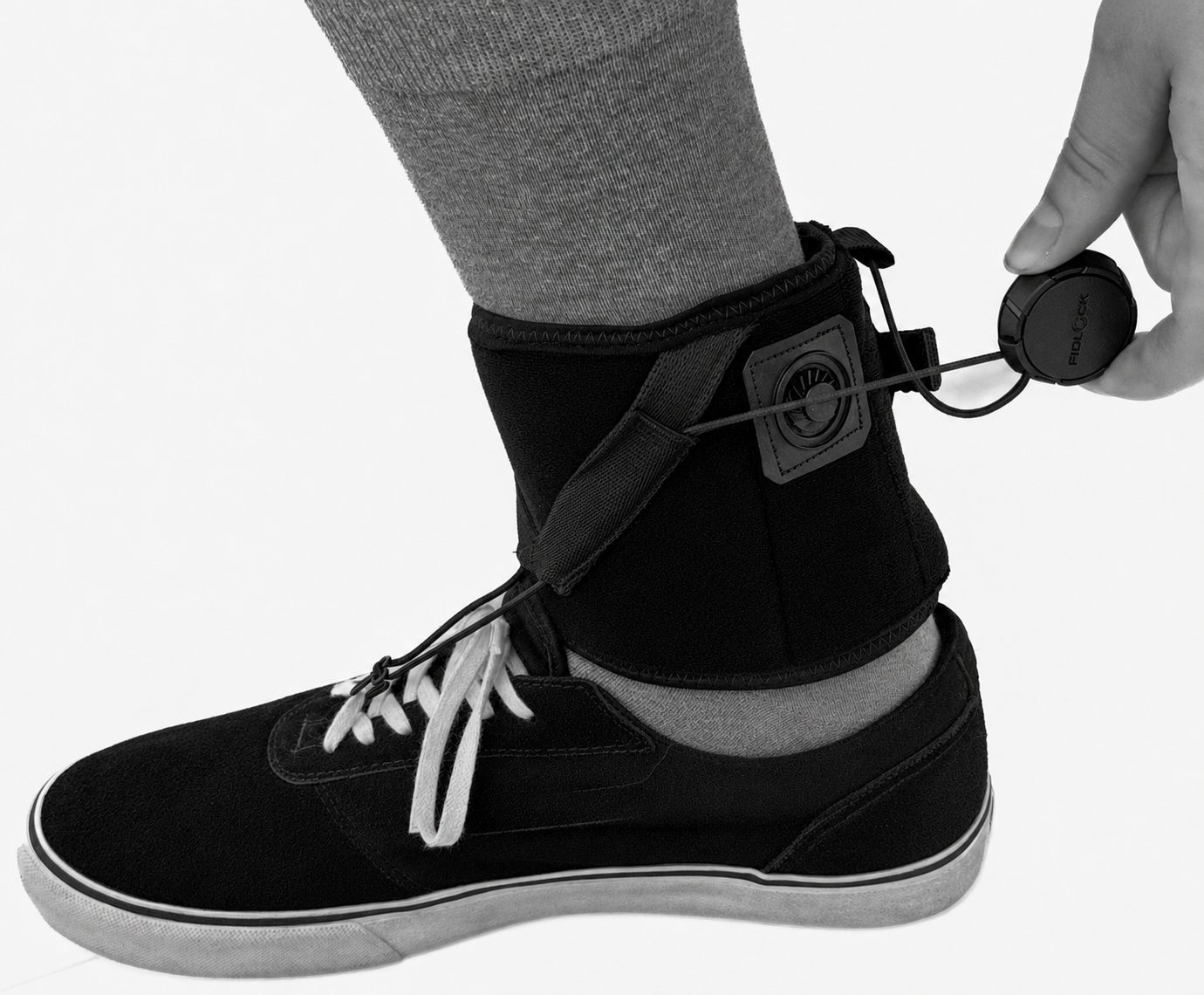
Could the OrthoPed splint help?
A lighter, shoe-compatible foot drop splint for suitable mild to moderate foot drop, tested by the National Physical Laboratory and in clinical studies with the University of Portsmouth and two NHS Trusts. £50 with VAT relief, free shipping to England, Scotland and Wales. It is one option within a wider pathway, not a replacement for assessment where symptoms are new, severe or complex.
Buying and choosing foot drop support
If you are comparing supports, start with the problem you need to solve rather than the product name. Mild toe catching, severe ankle instability, shoe compatibility, skin risk and post-surgical symptoms all point to different decisions.
Best foot drop support
Compare splints, braces, AFOs and support options for real daily walking.
Foot drop braces
Understand brace types, ankle support and when a lighter walking aid may help.
AFO vs brace
See when stronger orthotic control may be more appropriate than a lighter splint.
OrthoPed Foot Drop Splint
Product details, fitting guide, suitability notes and ordering information.
Brace for shoes and trainers
Practical footwear guidance for lace-up shoes, suitable Velcro shoes and trainers.
Orthopaedic foot splint
What people mean by an orthopaedic foot splint, the main types, and why we recommend OrthoPed.
More foot drop questions
If you are unsure what a term means, our foot drop glossary explains AFO, dorsiflexion, gait, FES, spasticity and other common words in plain English. For quick answers, see the foot drop FAQs.
Get expert help
Foot drop affects walking, confidence and falls risk, so a tailored assessment is often worthwhile. A physiotherapist can look at strength, range of movement, sensation, balance, gait pattern, footwear, walking aids and how you move around your own home. They can also help decide whether exercises, a splint, an AFO, walking practice or further medical review should be considered.
Mobile Physiotherapist offers home visits from HCPC-registered physiotherapists across multiple regions. For neurological causes, start with neurological rehabilitation. For gait confidence and outdoor practice, see walking practice. For Claire Williamson's paediatric, elderly rehabilitation and specialist background, visit Claire Williamson's profile.
Questions to ask at an assessment
If you are being assessed for foot drop, it can help to take a short list of practical questions. Ask what the likely cause is, whether any tests or medical referrals are needed, what changes would be considered urgent, and whether your current footwear or walking aid is helping or making the gait pattern harder. If a splint or AFO is recommended, ask how it should be fitted, how long to wear it for, how to check the skin, and whether it should be used during exercises, outdoor walking or both.
For home rehabilitation, the most useful goals are usually specific: walking to the bathroom at night, managing the front step, getting around the garden, returning to school or work, or walking outside without catching the toes. Those goals make the treatment plan more meaningful than simply saying "improve walking". They also help your physiotherapist decide whether the priority is strength, balance, ankle range, endurance, equipment, confidence, or a combination of all five.
Frequently asked questions
What is the best treatment for foot drop?
The best treatment depends on the cause and severity. Many people need a combination of physiotherapy, strengthening, stretching, gait practice and a support such as a foot drop splint or AFO. Some people may also be assessed for Functional Electrical Stimulation or surgery.
Can foot drop be cured?
Foot drop can improve or resolve in some cases, especially where the underlying nerve or muscle problem recovers. In other cases it is long term and rehabilitation focuses on safer walking, better strength, equipment support and reducing falls risk.
How long does foot drop take to recover?
Recovery time varies widely. Mild nerve irritation may improve over weeks or months, while foot drop after stroke, spinal problems or long-term neurological conditions may need ongoing management. A physiotherapy or medical assessment can help clarify likely recovery.
Is foot drop a disability?
Foot drop can be disabling if it affects walking, work, driving, daily activities or safety. The impact depends on severity, cause, access to treatment, support equipment and the person's wider health.
Can I drive with foot drop?
Driving depends on which foot is affected, vehicle type, strength, reaction time and medical advice. You should seek advice from your GP, consultant or physiotherapist and check DVLA guidance if foot drop affects your ability to control the vehicle safely.
Does the NHS provide foot drop splints?
The NHS may provide splints or AFOs when clinically appropriate, usually through orthotics, physiotherapy or rehabilitation services. Availability, waiting times and product choice can vary by area and clinical need.
What is the difference between an AFO and a foot drop splint?
An AFO, or ankle foot orthosis, is usually a more rigid brace that supports the ankle and foot. A foot drop splint may be lighter and more flexible, depending on the design, and is often used to help lift the front of the foot during walking.
How much does a foot drop splint cost?
Costs vary. Private AFOs and orthotic devices can cost considerably more depending on whether they are off-the-shelf or bespoke. If you are considering the OrthoPed splint, check OrthoPed directly for current price, VAT relief, size availability and delivery details.