What Is Foot Drop? Symptoms, Causes and What You Can Do
Foot drop is the inability to lift the front of the foot when walking. It causes the toes to catch on the ground, leading to tripping and an unusual gait. Foot drop is a symptom of an underlying condition affecting the nerves, muscles or brain — it is not a disease in itself.
Written and reviewed by qualified physiotherapists across the Mobile Physiotherapist network. Last updated: 29 May 2026.

Signs and symptoms of foot drop
Foot drop can appear suddenly or gradually. Some people notice it first because they trip more often. Others hear the foot slap down when it lands, or realise they are lifting the knee higher than usual to stop the toes dragging.
Common signs include:
- Difficulty lifting the front of the foot, especially when stepping forwards.
- Toes catching or dragging on the floor, carpet, kerbs or uneven ground.
- A slapping gait, where the foot lands heavily because it is not controlled well.
- Frequent tripping or feeling less confident walking outdoors.
- Lifting the knee higher than usual to clear the foot, sometimes called a steppage gait.
- Numbness, tingling or altered sensation on the top of the foot or outside of the lower leg.
- Weakness around the ankle, sometimes with reduced balance or ankle instability.
Symptoms can vary depending on the cause. A peroneal nerve problem may cause weakness and altered sensation around the outside of the leg and top of the foot; our peroneal nerve injury guide explains this in more detail. Foot drop after stroke may happen alongside changes in tone, balance, coordination or sensation. If you are looking for the broader hub page, start with our foot drop guide.
What causes foot drop?
Foot drop happens when the muscles that lift the foot do not receive or produce enough effective signal. This may be due to injury or compression of the peroneal nerve near the knee, irritation of a nerve root in the lower back, stroke, multiple sclerosis, cerebral palsy, peripheral neuropathy, spinal conditions or some muscle disorders.
It can also occur after hip, knee or leg surgery, after prolonged pressure around the outside of the knee, or after trauma. The key point is that foot drop is a sign of an underlying problem, so the cause needs to be understood before choosing the right treatment. Our foot drop causes page explains nerve-related, brain and spinal cord, muscle and post-surgical causes in more depth.
Is foot drop permanent?
Foot drop is not always permanent. Some cases improve as swelling settles, a compressed nerve recovers, or strength returns with rehabilitation. Other cases remain long term, especially when there is lasting nerve damage or an ongoing neurological condition. The NHS notes that foot drop can get better with treatment but can sometimes be permanent.
The best guide to recovery is the underlying cause, how severe the weakness is, whether sensation is affected, and how long the symptoms have been present. Early assessment is useful because it can identify causes that need medical treatment and can reduce the risk of falls while recovery is being monitored.
How is foot drop diagnosed?
A GP, consultant, physiotherapist or specialist clinician will usually start by asking when the problem began, whether it came on suddenly, what makes it worse, and whether you have pain, numbness, back symptoms or other neurological changes. They may look at walking pattern, ankle movement, muscle strength, reflexes and sensation.
Depending on the suspected cause, you may be referred for further tests. These can include nerve conduction studies, electromyography, MRI scans, blood tests or specialist neurological or orthopaedic review. Sudden new weakness, symptoms after injury, or foot drop with facial weakness, speech change, severe back pain, bladder or bowel changes, or widespread neurological symptoms should be treated as urgent.
Treatment options
Treatment depends on why the foot is dropping and what you need to do safely day to day. A person recovering from nerve compression may need a different plan from someone with foot drop after stroke or a long-term neurological condition.
Physiotherapy exercises
Physiotherapy may include dorsiflexion strengthening, calf stretching, balance work, gait re-training and walking practice. See our foot drop exercises page for a structured programme.
Splints and braces
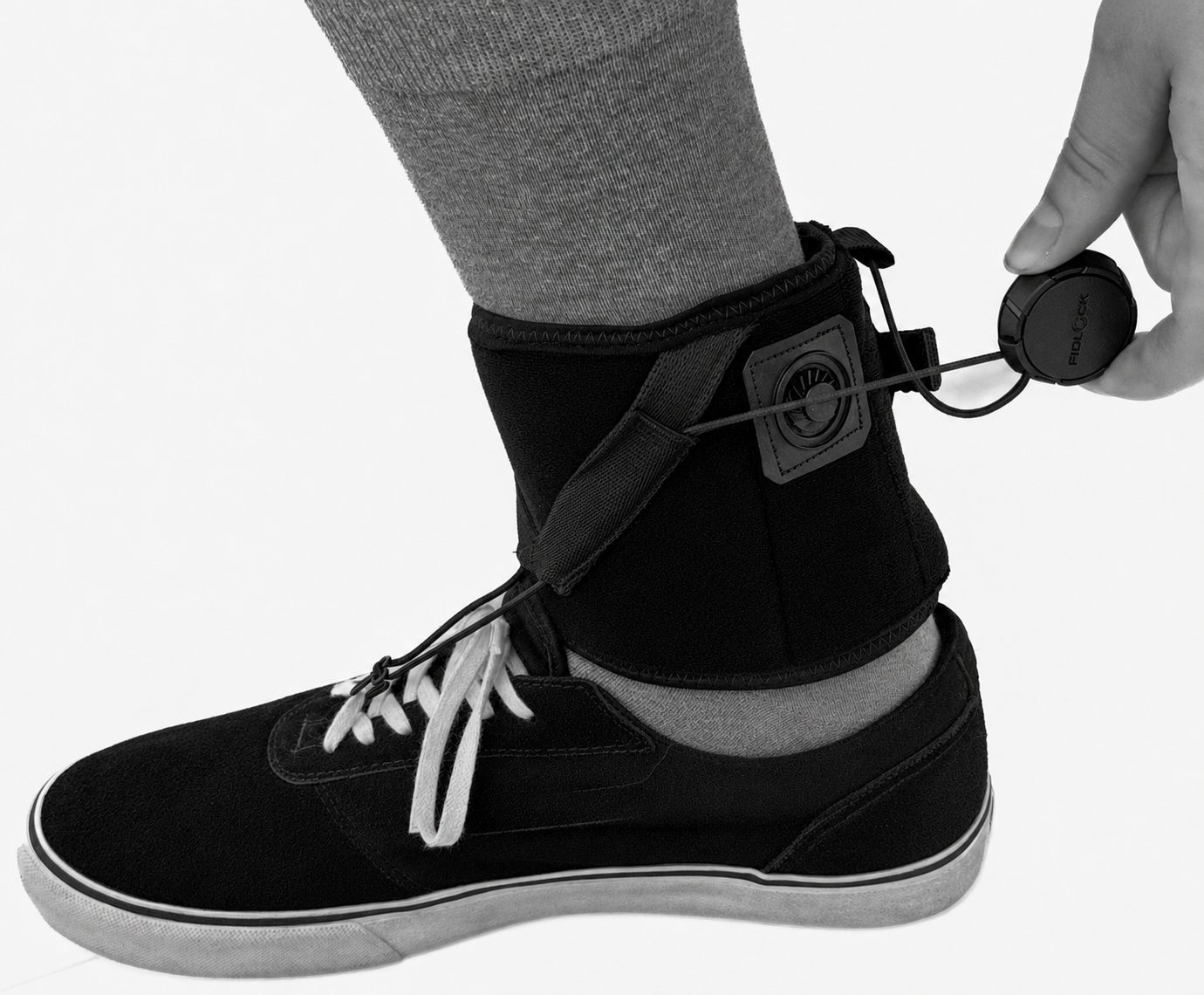
A foot drop splint, foot drop brace or AFO splint can help lift or support the foot while walking.
Choosing between supports
Different supports suit different levels of weakness, tone, footwear and activity. Our AFO vs foot drop brace comparison explains the practical differences.
OrthoPed splint
The OrthoPed foot drop splint is a patented splint established by physiotherapist Claire Williamson, formerly Claire Narborough. It is one possible option for suitable users.
Could the OrthoPed splint help?
A lighter, shoe-compatible foot drop splint for suitable mild to moderate foot drop, designed to reduce toe catching during everyday walking. £50 with VAT relief, free shipping to England, Scotland and Wales. Suitability depends on your foot shape, tone and walking pattern.
Getting help
If you have new foot drop, start with your GP or appropriate medical team so the underlying cause can be checked. If foot drop is already diagnosed, physiotherapy can help you work on strength, stretching, walking pattern, balance, confidence and safe use of equipment.
Mobile Physiotherapist offers home visits from HCPC-registered physiotherapists across multiple regions. For neurological conditions, see neurological rehabilitation. For walking confidence and gait practice, see walking practice. For paediatric, elderly rehabilitation and specialist support, visit Claire Williamson's profile. You can also contact our office for guidance on the right next step.
Frequently asked questions
Can foot drop go away on its own?
Foot drop can improve on its own in some cases, especially when the underlying nerve irritation or compression recovers. It can also be long term or permanent, so new or worsening foot drop should be medically assessed.
Should I see a doctor for foot drop?
Yes. You should see a GP or medical professional if you notice new difficulty lifting your foot, repeated toe catching, numbness, weakness or a sudden change in walking. Urgent advice is needed if symptoms come on suddenly or with other neurological symptoms.
What does foot drop feel like?
Foot drop can feel like the front of the foot is heavy, weak or difficult to lift. Some people notice the toes catching on the ground, the foot slapping down, frequent trips, numbness on the top of the foot or the need to lift the knee higher to clear the floor.