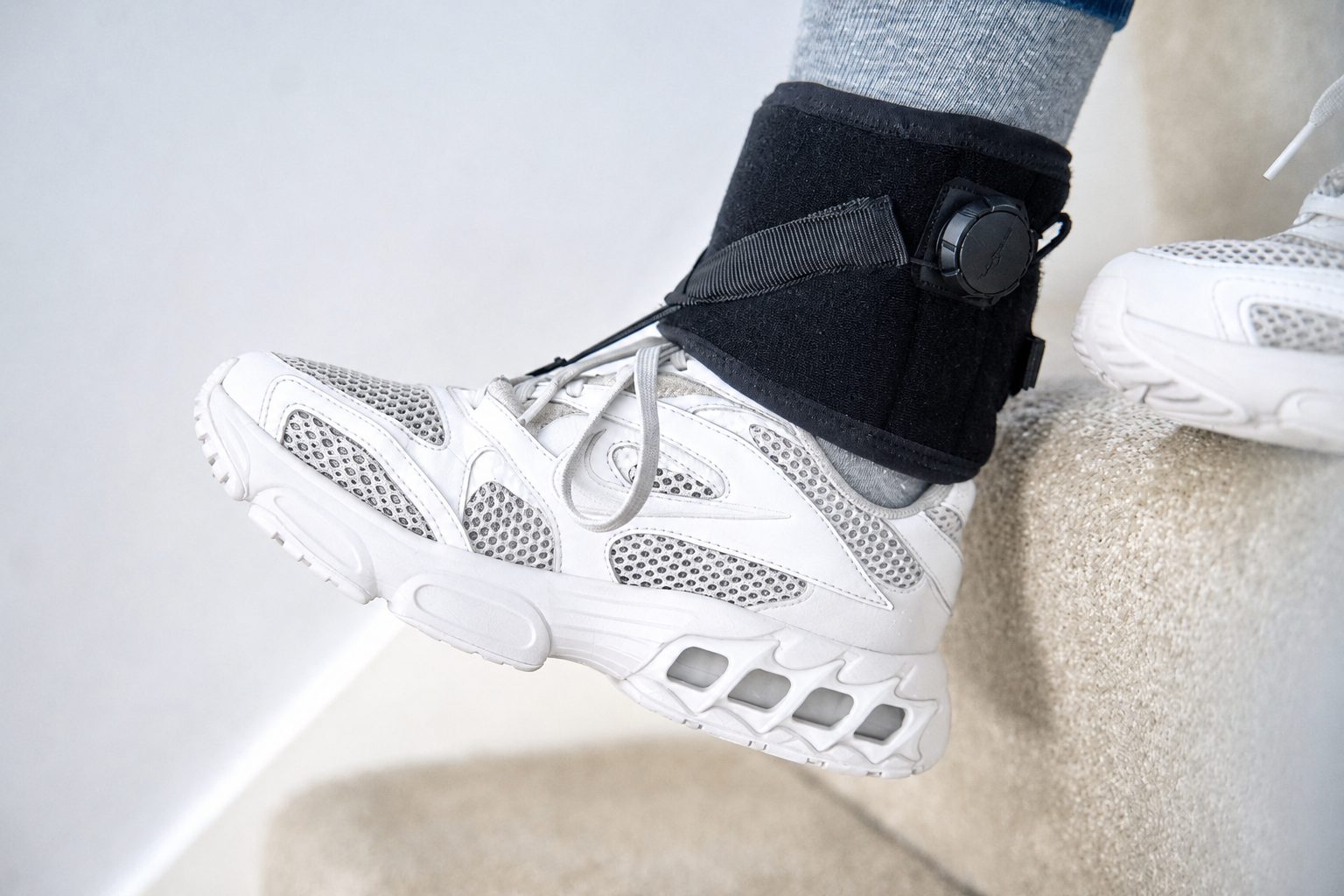
Different foot drop supports solve different walking problems. Rigid AFO splints offer more control, while lighter foot drop braces and foot drop splints can be more comfortable, discreet and practical for everyday use.
This page compares the options so you can see where a lighter support such as OrthoPed can fit.

OrthoPed Foot Drop Splint
A lighter, shoe-compatible splint designed to help reduce toe catching during everyday walking.
Ready to order
Order OrthoPed Foot Drop Splint
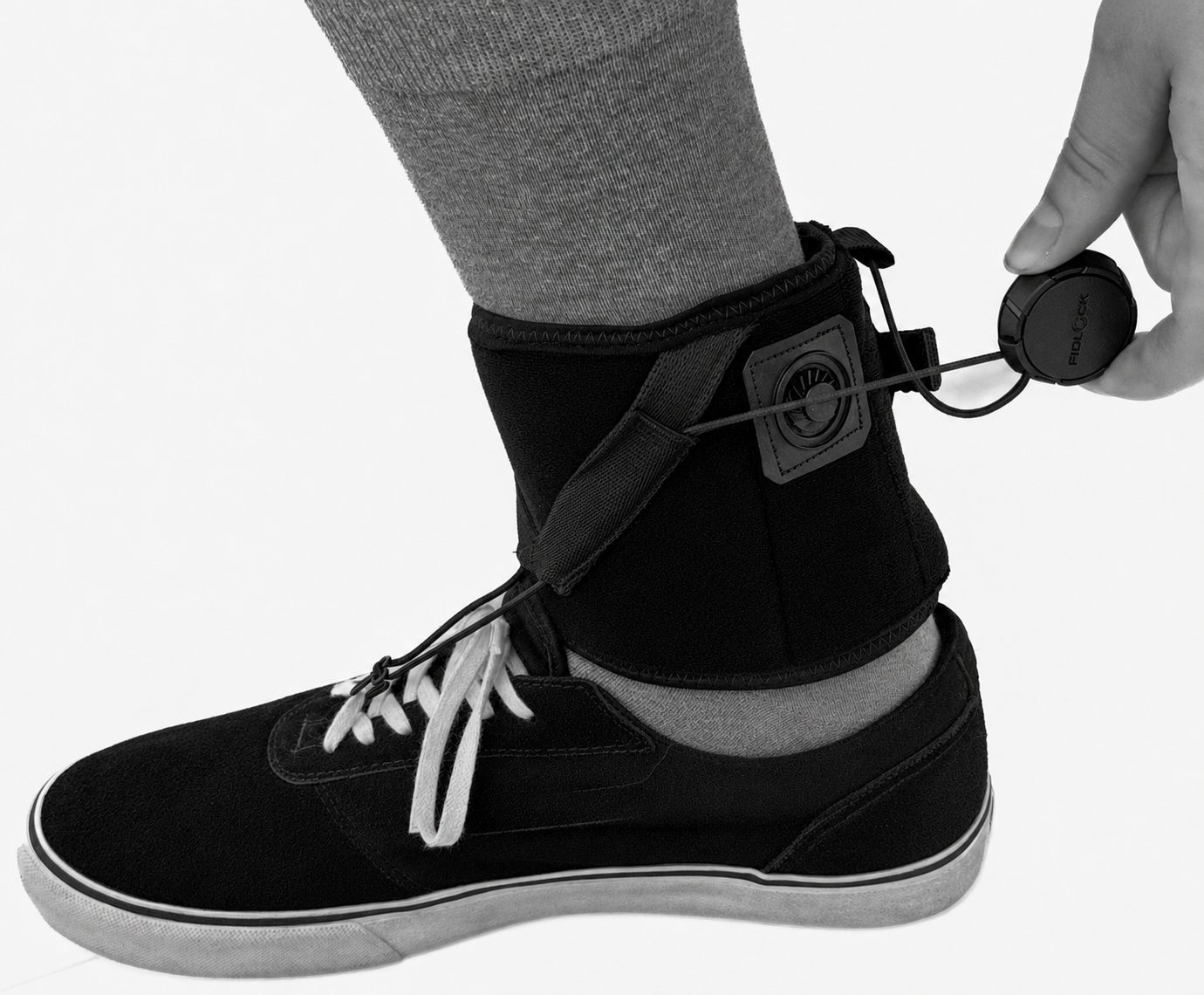
For suitable mild to moderate foot drop, OrthoPed is a lighter, shoe-compatible splint designed to help reduce toe catching during everyday walking.
- Designed by a physiotherapist
- Clinically tested
- 6-month guarantee
Secure payment by Stripe.
Lightweight designComfortable to wear all day
Shoe compatibleFits with everyday footwear
Improve mobilityHelps reduce trips and toe catching
Trusted qualityMade to high standards for lasting support
What are we comparing?
Before comparing an AFO with a foot drop brace, it helps to define the terms. They are sometimes used loosely online, but they are not always the same thing in clinical practice.
What is an AFO?
An AFO, or ankle foot orthosis, is a brace that supports the lower leg, ankle and foot. It is usually more structured than a soft splint and may be made from plastic, carbon fibre or other orthotic materials.
AFOs are commonly used when foot drop is more severe, when the ankle is unstable, or when the walking pattern needs stronger control. Some AFOs hold the ankle firmly; others have hinges or flexible sections to allow selected movement.
What is a foot drop brace?
A foot drop brace is a broader everyday term for a device that helps lift or guide the front of the foot during walking. It may be a soft fabric support, a dynamic strap-based device, a shoe-attached support, or sometimes an AFO.
In this guide, we use "foot drop brace" to mean lighter, less rigid supports that mainly help toe clearance. These can suit some people with mild to moderate foot drop, especially where suitable everyday shoes, comfort and independent use matter.
Side-by-side comparison
When an AFO is the right choice
An AFO is usually the safer route when the ankle and foot need firm control. That might be because the foot drops heavily, the ankle is unstable, the knee position is affected, or the walking pattern is too complex for a light brace.
- Severe foot drop with little or no voluntary ankle lift.
- Significant ankle instability or repeated ankle rolling.
- Knee hyperextension during walking that needs ankle control.
- Cerebral palsy with significant tone, deformity or complex gait.
- Spina bifida, Charcot-Marie-Tooth disease or other long-term neurological conditions requiring orthotic input.
- Reduced sensation or skin risk where professional fitting and monitoring are essential.
When a foot drop brace or lightweight splint may be right
A lighter brace may be considered when the foot is flexible, foot drop is mild to moderate, and the main goal is reducing toe catching rather than controlling the whole ankle and knee.
- Mild to moderate foot drop.
- Some voluntary foot movement remains.
- The person needs support for daily walking, work, school or community activities.
- Suitable everyday shoes and discreet support are important.
- Independent application is a priority.
- A child or adult is struggling to tolerate a bulky rigid AFO.
A lighter brace should still be reviewed if it causes rubbing, worsens balance, increases fatigue, or fails to stop toe catching.
Decision guide
If foot drop is severe
Choose the AFO route first. Ask for orthotist or rehabilitation assessment, especially if the ankle rolls, the knee hyperextends, or there is fixed deformity.
If foot drop is mild to moderate
A lightweight brace or splint may be worth considering, particularly if shoe choice, independence and comfort are major issues.
If you are unsure
Book a physiotherapy or orthotics assessment. Walking pattern, tone, strength, sensation and falls history all affect the decision.
The OrthoPed as a lightweight option
The OrthoPed Foot Drop Splint sits in the lighter splint/brace category. It is a patented foot drop splint established by physiotherapist Claire Williamson, formerly Claire Narborough, and designed for people who find it difficult to lift the front of the foot.
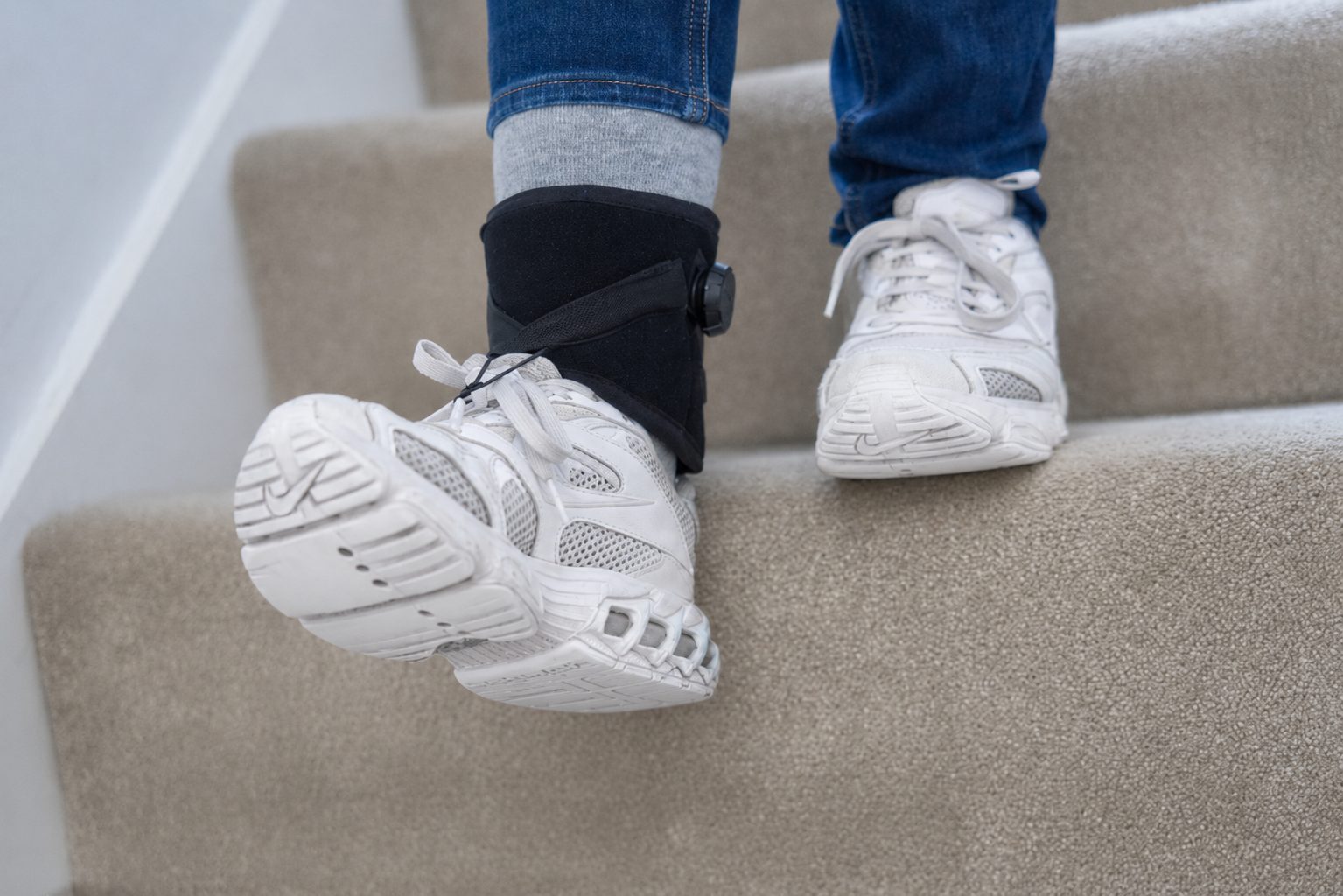
OrthoPed states that the splint has been tested by the National Physical Laboratory and in clinical studies with the University of Portsmouth and two NHS Trusts. It can be worn with lace-up or suitable Velcro-fastening shoes, and its official user guide gives a specific fitting sequence for safe use.
It is not a replacement for a rigid AFO where severe support is needed. It may be a practical option where the person has mild to moderate foot drop, a flexible foot, suitable footwear and a need for a lighter everyday support.
Getting professional advice
Good orthotic decisions start with assessment. A physiotherapist or orthotist can look at the cause of foot drop, walking pattern, ankle range, strength, tone, balance, footwear and skin risk before recommending a route.
Mobile Physiotherapist offers home visits for neurological rehabilitation, walking practice, equipment advice and falls prevention. You can also read more about Claire Williamson's clinical background on her therapist profile.
Frequently asked questions
Is a splint or AFO better for foot drop?
An AFO is usually better for severe foot drop, significant ankle instability, marked tone or complex gait. A lightweight splint or brace may be better for mild to moderate foot drop where the foot is flexible and suitable everyday footwear matters.
Can I switch from an AFO to a softer splint?
Some people can move from a rigid AFO to a softer splint if strength, tone, balance and walking control improve. This should be checked by a physiotherapist or orthotist before changing support.
Do I need a prescription for a foot drop splint?
Some foot drop splints can be bought directly, but professional advice is recommended if foot drop is new, severe, linked to a neurological condition, or causing falls.
Order OrthoPed
Looking for a lighter splint? Order OrthoPed securely online or email OrthoPed with a product question.