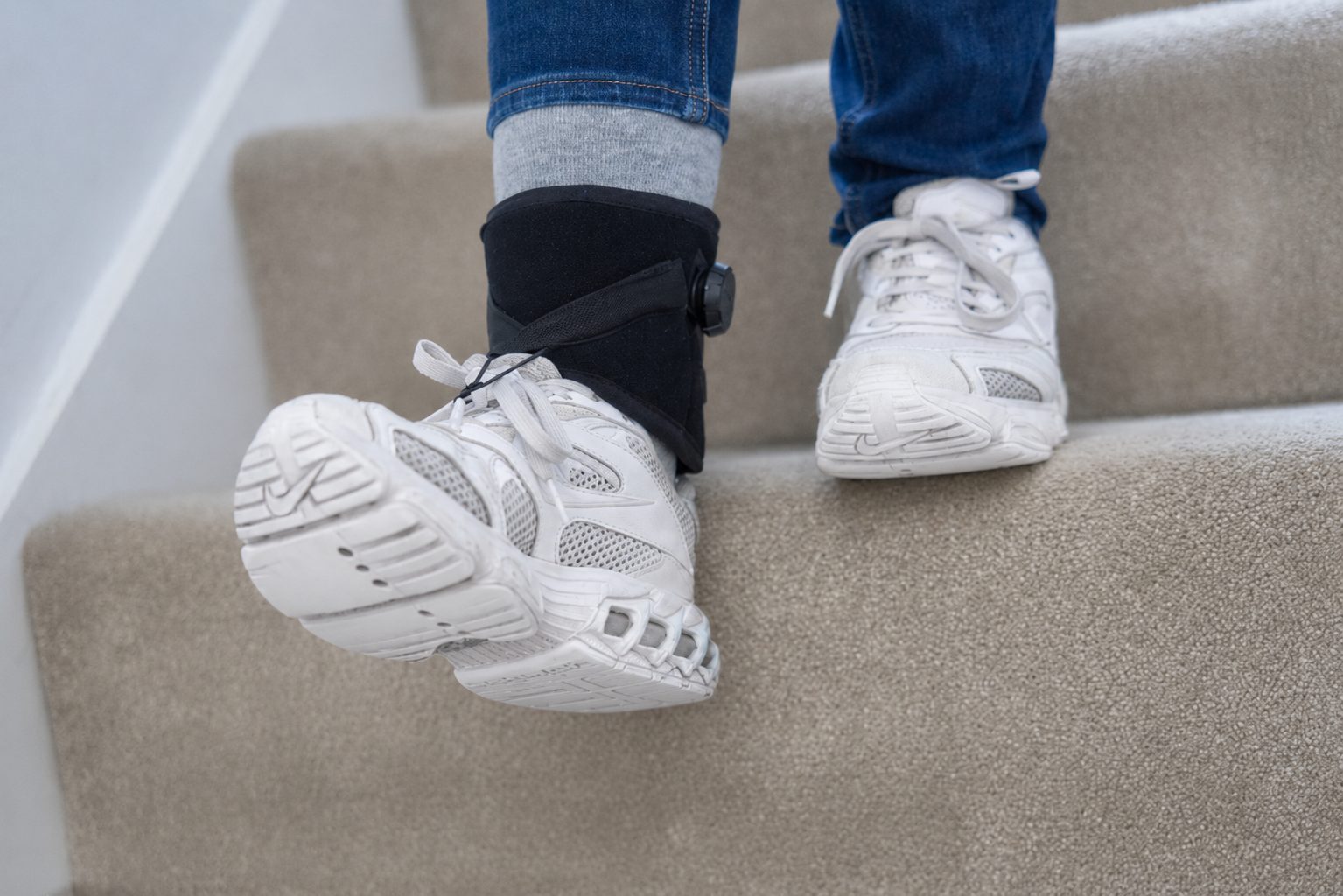
AFO splints are one of the most common orthotic options for foot drop. They can be prescribed when the ankle and foot need more control than exercises or a soft brace can provide.
The phrase "AFO splint" is used in everyday language, but "ankle foot orthosis" is the clinical term. AFOs vary widely: some are rigid plastic devices, some have hinges, some are flexible, and some are made from carbon fibre or textile materials.

OrthoPed Foot Drop Splint
A lighter, shoe-compatible splint designed to help reduce toe catching during everyday walking.
Ready to order
Order OrthoPed Foot Drop Splint
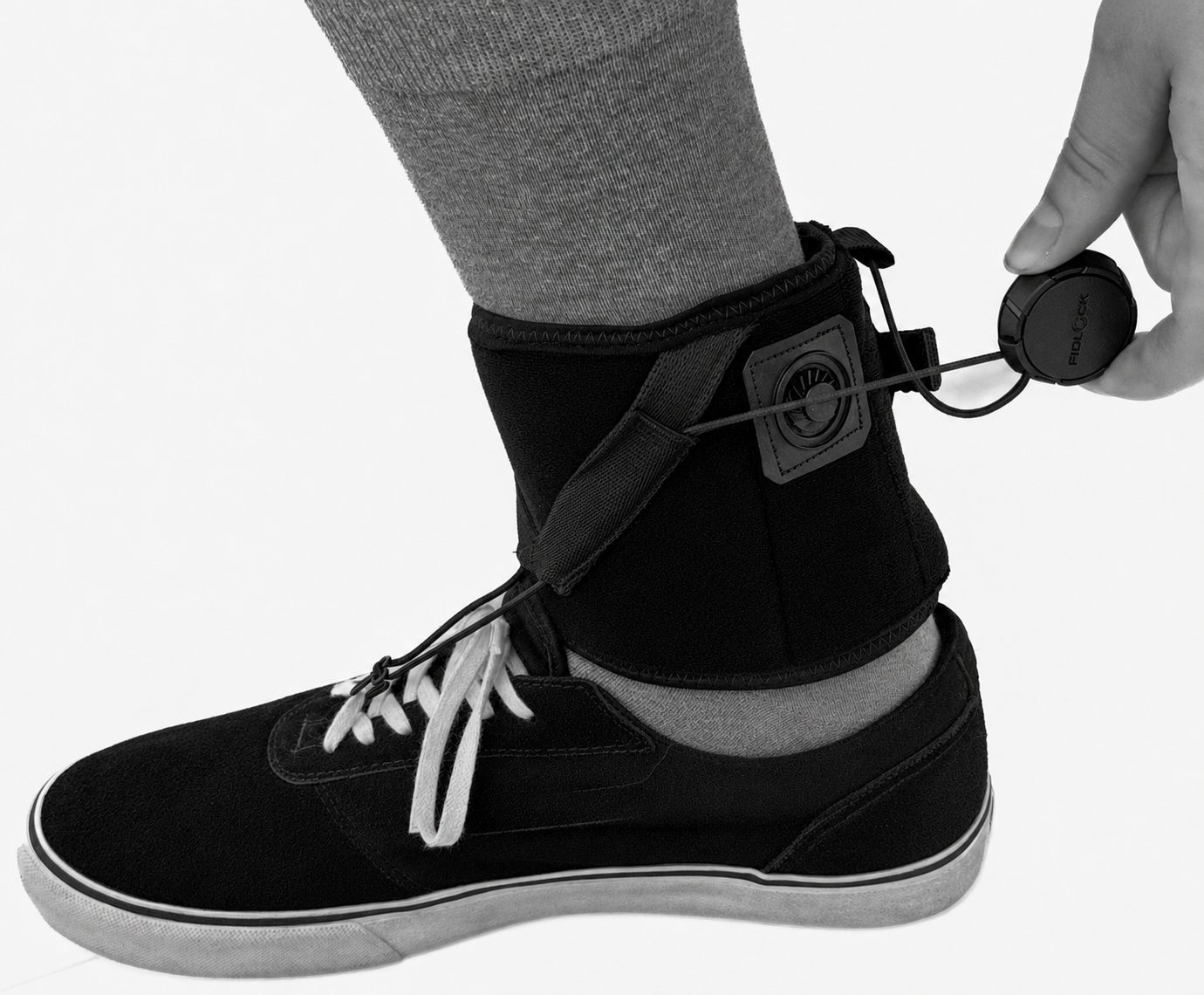
For suitable mild to moderate foot drop, OrthoPed is a lighter, shoe-compatible splint designed to help reduce toe catching during everyday walking.
- Designed by a physiotherapist
- Clinically tested
- 6-month guarantee
Secure payment by Stripe.
Lightweight designComfortable to wear all day
Shoe compatibleFits with everyday footwear
Improve mobilityHelps reduce trips and toe catching
Trusted qualityMade to high standards for lasting support
Types of AFOs
Rigid plastic AFOs
Traditional moulded designs provide strong control of the ankle and foot. They may be used when weakness, instability or tone means a lighter device is not enough.
Articulated or hinged AFOs
These allow some ankle movement while limiting unsafe or unwanted movement. They are usually fitted by an orthotist and adjusted to the person's gait.
Dynamic AFOs
Dynamic designs use flexibility or spring-like properties to assist movement while still giving support. They can feel less rigid than a solid plastic AFO.
Posterior leaf spring AFOs
These sit behind the calf and can assist toe clearance by storing and releasing some energy during walking.
Solid ankle AFOs
These restrict ankle motion more strongly. They may be used where ankle position, knee control or spasticity needs firm management.
Carbon fibre AFOs
Carbon fibre designs are often lighter and more responsive than traditional plastic, but they still need careful selection and fitting.
What does an AFO do?
An AFO affects more than the foot. Because the ankle, knee and hip work together during walking, changing the foot position can also affect step length, knee control, balance and effort.
- Holds or assists dorsiflexion: helps keep the front of the foot from dropping during swing phase.
- Provides ankle stability: reduces unsafe rolling or collapse where the ankle is unstable.
- Influences knee position: some AFOs help manage knee hyperextension or crouch by changing ankle mechanics.
- Reduces toe catching: improves clearance and may reduce trips.
- Supports gait practice: gives a more consistent starting point for walking rehabilitation.
Who needs an AFO?
An AFO may be recommended where foot drop is significant, where the ankle is unstable, or where a neurological or orthopaedic condition affects walking control. People who may be assessed for an AFO include:
- stroke survivors with significant foot drop or ankle instability;
- children or adults with cerebral palsy;
- people with multiple sclerosis where weakness or fatigue affects walking;
- people with spina bifida or Charcot-Marie-Tooth disease;
- people with significant peripheral neuropathy;
- some post-surgical patients with nerve injury or marked weakness.
The decision should be individual. A person with mild foot drop may not need a rigid device, while someone with severe instability may be unsafe in a lightweight support.
AFO vs lightweight splint
The main difference is support level. AFOs usually provide more control and are often chosen for severe foot drop, significant ankle instability, marked tone, deformity or complex gait. Lightweight splints and braces may suit milder cases where the foot is flexible and the main issue is toe clearance.
AFO may be better when
- there is little or no voluntary ankle lift;
- the ankle rolls or collapses;
- knee position needs orthotic control;
- there is significant spasticity or deformity;
- a clinician has advised structured orthotic support.
Lightweight splint may be better when
- foot drop is mild to moderate;
- the foot remains flexible;
- suitable everyday footwear matters day to day;
- independent application is important;
- the person cannot tolerate a bulky device.
For a clearer side-by-side comparison, see AFO vs foot drop brace.
Best foot drop AFO: how to compare options
People searching for the best foot drop AFO are usually comparing stronger ankle-foot control against lighter everyday support. AFOs are not one product type. They vary in rigidity, shape, materials, footwear needs and how much control they give at the ankle and knee.
When an AFO may be the better route
- Severe weakness or little active ankle lift.
- Marked ankle instability, rolling or collapse.
- Significant tone, spasticity or deformity.
- Complex gait where knee and ankle position both matter.
When a lighter splint may be considered
- Mild to moderate toe catching.
- A flexible foot and ankle without major instability.
- Need for everyday shoe compatibility.
- Preference for a lower-profile support after clinical advice.
For a direct commercial comparison, read best foot drop support options. For shoe-compatible support, see foot drop braces for shoes and trainers.
Getting an AFO in the UK
The most appropriate route depends on complexity and urgency. NHS orthotics services can assess, measure, fit and adjust AFOs, often after referral from a GP, consultant, physiotherapist or rehabilitation team. Waiting times vary by area, but the fitting and adjustment process is important.
Private orthotists may offer faster assessment and a wider range of device options, but costs can be significant. Direct purchase is usually only sensible for simpler off-the-shelf supports or lightweight alternatives, and even then professional advice is helpful if you have neurological symptoms, reduced sensation, skin issues or falls.
Lightweight alternatives to traditional AFOs
Some people do not need the level of control provided by a rigid AFO, or they struggle with bulk, shoe choice and comfort. A softer splint may be considered if the foot is flexible and the main goal is improving toe clearance.
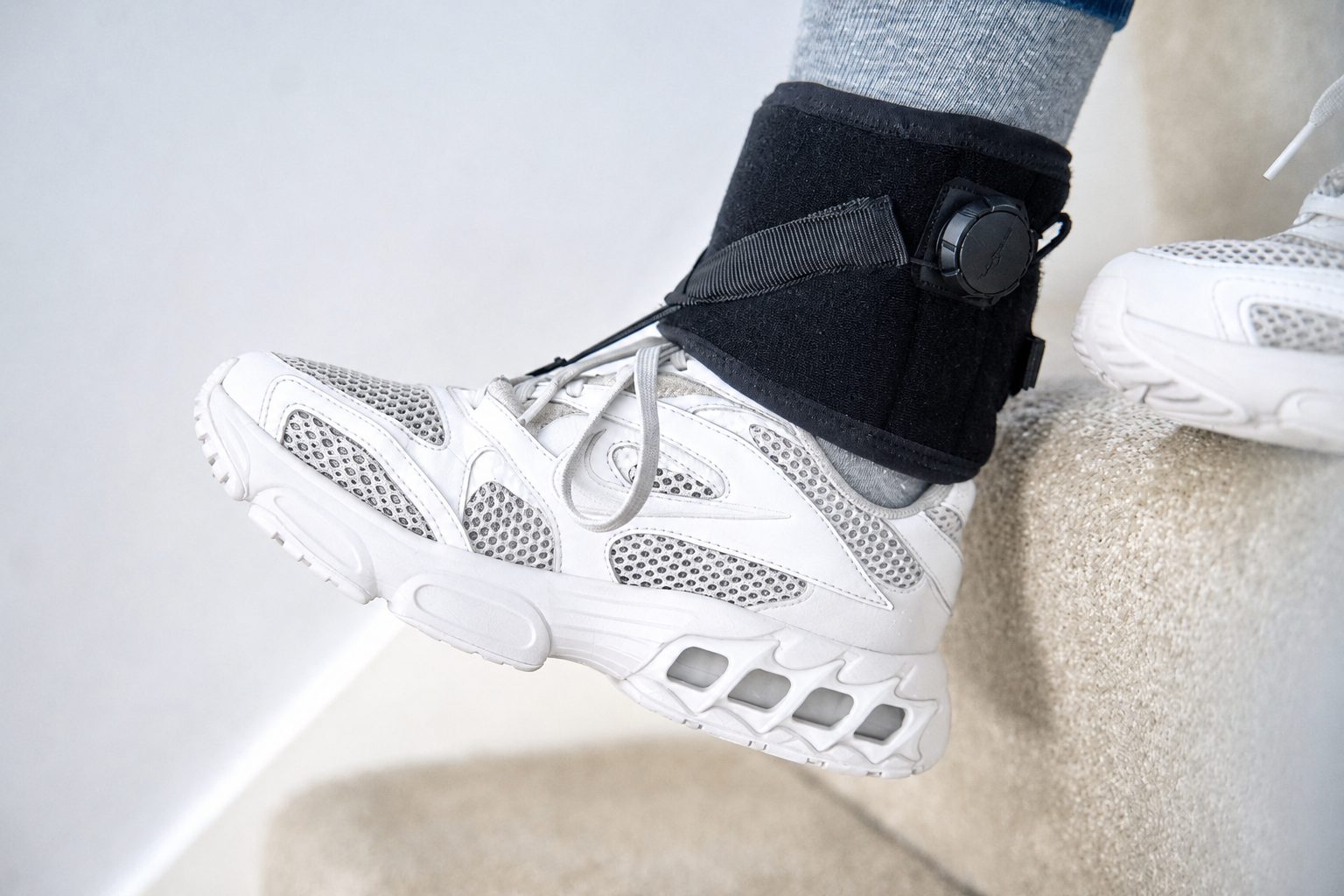
The OrthoPed Foot Drop Splint is one option in this lighter category. It was established by physiotherapist Claire Williamson, formerly Claire Narborough, and is designed for people who find it difficult to lift the front of the foot. OrthoPed states that it can be worn with lace-up shoes or suitable Velcro-fastening shoes.
"Felt comfortable and looked discreet"
OrthoPed Children's Study
Common problems with rigid AFOs
AFOs can be extremely useful, but they are not always easy to live with. Common issues include bulk, visibility, restricted shoe choice, pressure around the foot or calf, heat, difficulty putting the device on, and reluctance from children who feel different from friends.
These problems do not mean the AFO is wrong, but they do mean follow-up matters. A small adjustment to fit, socks, footwear or wearing schedule can make a large difference.
Caring for an AFO
- Check the skin daily, especially over bony areas, the heel, ankle and calf.
- Wear the recommended socks or liners to reduce rubbing.
- Clean the AFO according to the orthotist's instructions and let it dry fully.
- Inspect straps, Velcro, hinges and footplates for wear.
- Arrange review if pain, red marks, swelling or walking pattern changes appear.
- Children need regular review because growth changes fit quickly.
Frequently asked questions
What does AFO stand for?
AFO stands for ankle foot orthosis. It is a brace worn around the lower leg, ankle and foot to support, stabilise or guide movement.
Is an AFO better than a foot drop splint?
An AFO is usually better for severe foot drop, significant ankle instability or complex gait patterns. A lighter foot drop splint may be more suitable for mild to moderate foot drop where less rigid support is needed.
How do you get an AFO in the UK?
AFOs are commonly supplied through NHS orthotics services after referral, or privately through an orthotist. Some lightweight or off-the-shelf supports can be bought directly, but clinical advice is recommended.
What is the best foot drop AFO?
The best AFO depends on the person's walking pattern, weakness, ankle stability, tone, skin, footwear and goals. Rigid, hinged, dynamic and carbon fibre AFOs all suit different needs, so orthotics assessment is recommended for complex or severe foot drop.
Order OrthoPed
Looking for a lighter alternative to a rigid AFO? Order OrthoPed securely online or email OrthoPed with a product question.