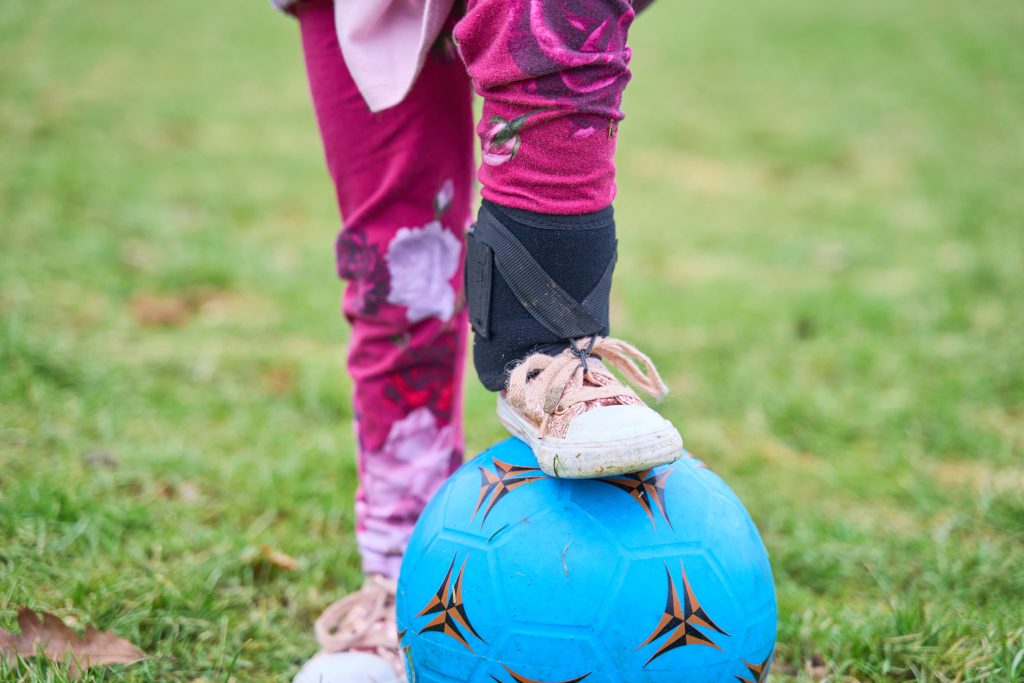
The best support is the one that helps the person walk more confidently in real life. For mild to moderate toe catching, a lighter brace or splint can be especially appealing because shoe choice, comfort and independent use matter day to day.
If foot drop is new, worsening, causing falls or linked to a neurological condition, clinical advice can help you choose the most effective support.

OrthoPed Foot Drop Splint
A lighter, shoe-compatible splint designed to help reduce toe catching during everyday walking.
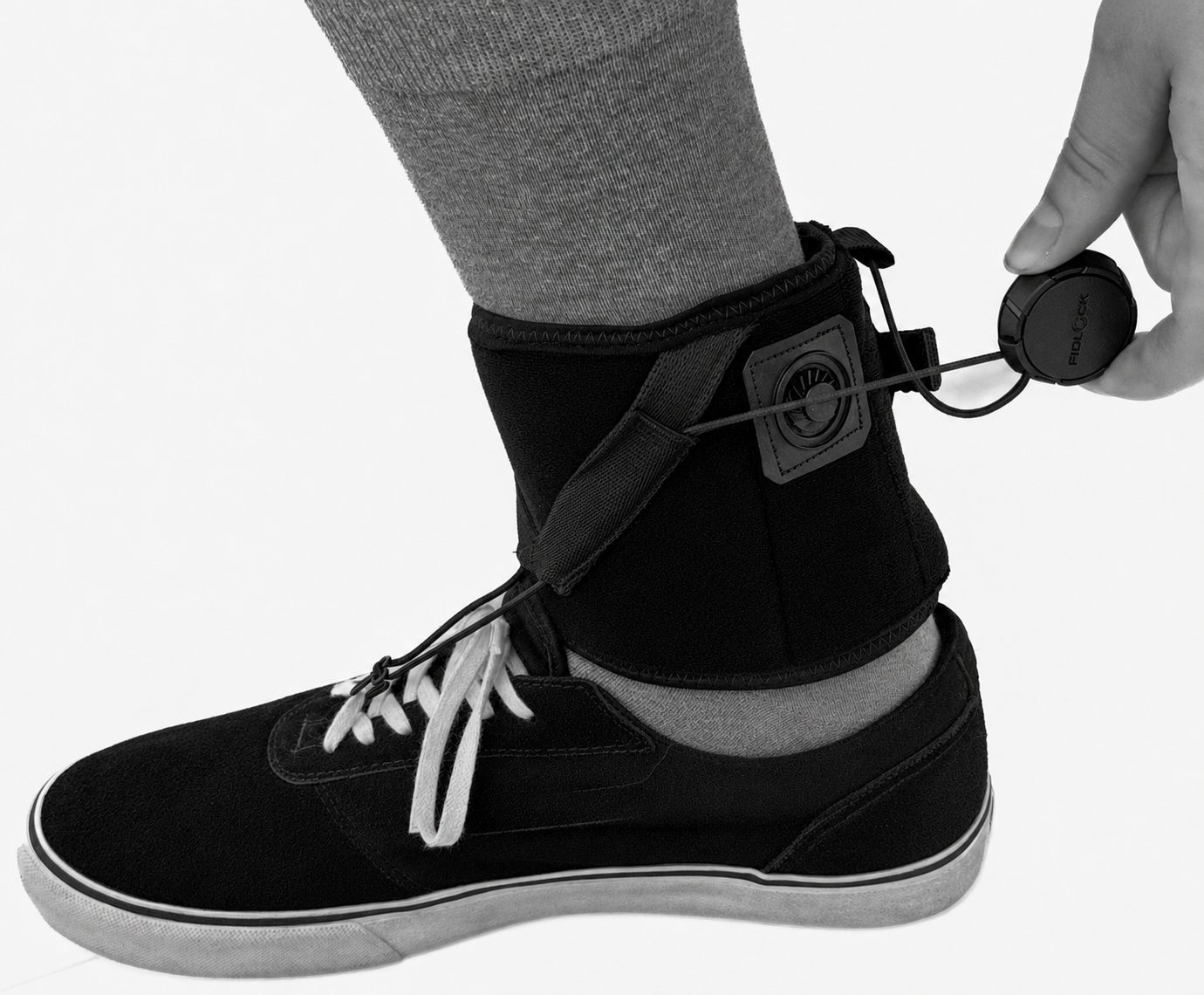
Ready to order
Order OrthoPed Foot Drop Splint
For suitable mild to moderate foot drop, OrthoPed is a lighter, shoe-compatible splint designed to help reduce toe catching during everyday walking.
- Designed by a physiotherapist
- Clinically tested
- 6-month guarantee
Secure payment by Stripe.
Lightweight designComfortable to wear all day
Shoe compatibleFits with everyday footwear
Improve mobilityHelps reduce trips and toe catching
Trusted qualityMade to high standards for lasting support
How we evaluate foot drop supports
A useful recommendation needs a method. These are the criteria we use when comparing support options:
- Clinical suitability: does it match the severity and cause of foot drop?
- Evidence and testing: is there published testing, clinical evaluation or orthotic rationale?
- Comfort and wearability: can the person tolerate it during real daily activity?
- Shoe compatibility: does it work with practical footwear?
- Durability: are expected lifespan, guarantee and replacement needs clear?
- Ease of independent use: can it be put on safely with the person's hand function and balance?
- Value: does the support justify the cost for the person's goals?
Best for mild to moderate foot drop
OrthoPed Foot Drop Splint
Best for: people wanting a lightweight, physiotherapist-established splint with clinical testing and compatibility with lace-up shoes or suitable Velcro-fastening shoes.
Strengths: patented design, OrthoPed-reported NPL testing, University of Portsmouth clinical study involvement, lace-up or suitable Velcro shoe use, and a detailed user guide.
Get advice first: significant deformity, severe hypertonicity, weakness deformity or dominant toe walking may need a different orthotic route.
Boxia-style textile supports
Best for: people looking for a textile support that helps lift from the shoe and can be worn with suitable footwear.
Strengths: commonly discussed in UK foot drop searches, generally lighter than rigid orthoses.
Limitations: support level may be insufficient for severe foot drop or ankle instability.
Foot-Up-style dynamic supports
Best for: mild to moderate toe catching where a dynamic lift from the shoe is enough.
Strengths: well-known category of dynamic foot drop support.
Limitations: fit, shoe compatibility and tension need to suit the individual.
Best for severe foot drop
For severe foot drop, the best option is usually not a soft brace. Severe weakness, absent voluntary movement, marked ankle instability, high tone, fixed deformity or knee control problems usually need orthotist-led assessment.
Rigid plastic AFO
Often the first-line orthotic route where strong control is needed. Best accessed through NHS or private orthotics, with fitting and review.
Carbon fibre AFO
A lighter rigid option for some people, often with a more responsive feel. Still needs careful selection and fit.
Hinged or articulated AFO
Useful when some ankle movement is desirable but still needs control. Usually selected by an orthotist.
Best for children
Children need extra care because growth, play, school, skin tolerance and confidence all affect whether a device is worn. The best support may be a bespoke paediatric AFO, a lighter splint, a Lycra orthosis, physiotherapy, or a combination.

The OrthoPed splint has a genuine paediatric evidence base through the OrthoPed Children's Study. Parent and child feedback highlighted comfort, discretion and practicality, including the comments "I can put it on myself" and "I can run with it on, I haven't run in months".
Some children need bespoke AFOs from paediatric orthotists, especially with significant tone, deformity or instability. Lycra orthoses may also be considered for specific movement and postural needs; Claire Williamson is certified to fit DM Orthotics Lycra orthoses.
Best for stroke recovery
After stroke, the best foot drop support depends on leg strength, spasticity, sensation, balance, hand function and whether the affected foot is used for driving. One-handed application can matter if the arm and hand on one side are also affected.
OrthoPed can be a practical option for mild to moderate post-stroke foot drop where a lighter, shoe-compatible support is preferred. Where ankle or knee control is more affected, a clinician may compare it with a rigid AFO or Functional Electrical Stimulation.
For more context, see foot drop after stroke.
Best budget-conscious option
Budget matters, and lightweight direct-purchase splints can be a cost-conscious way to get practical walking support without the bulk or price of many custom orthotic routes.
OrthoPed is available to order online, with VAT relief available for eligible disabled customers.
How to decide
Mild to moderate toe catching
Consider a lightweight splint or brace, especially if the foot is flexible and suitable everyday shoes are important.
Severe weakness or instability
Start with an AFO assessment. A stronger device may be safer and more effective.
Unsure or complex
Physiotherapy or orthotics input can help if falls, tone, sensation or skin risk make the decision more complex.
For a direct comparison, read AFO vs foot drop brace. For product-specific fitting, see the OrthoPed Foot Drop Splint page.
Best foot drop brace for walking: what matters in real life
People searching for the best foot drop brace, the best foot drop brace for walking or the best foot drop device are usually trying to solve a practical problem: toes catching during everyday walking. The best choice depends on support level, shoe fit, comfort and whether the device is realistic to use every day.
| What to compare | Why it matters | Practical check |
|---|---|---|
| Toe clearance | The support should help the front of the foot clear the floor. | Walk on level ground and check whether toe catching reduces. |
| Footwear compatibility | A brace is more useful if it works with shoes you actually wear. | Check lace-up shoes or suitable Velcro shoes before relying on it outside. |
| Support level | Severe weakness or ankle instability may need a more rigid AFO. | Ask whether the device controls enough movement for your gait. |
| Ease of fitting | Hand function, balance and eyesight affect independent use. | Fit and remove the device safely before using it alone. |
| Comfort | Pressure or rubbing can make a good idea unusable. | Build up wear time and check skin after use. |
| Stairs | Stairs test toe clearance, confidence and shoe grip. | Practise with a rail and clinical advice if balance is reduced. |
| Skin checks | Reduced sensation, swelling or fragile skin increases risk. | Stop and seek advice if marks do not fade or discomfort increases. |
For mild to moderate foot drop, a lightweight device such as the OrthoPed Foot Drop Splint may be considered where the foot remains flexible and suitable footwear is available. For stronger control, compare AFO vs foot drop brace.
Best foot drop device FAQs
What is the best foot drop brace for walking?
The best brace is the one that gives enough toe clearance and ankle support for your walking pattern without causing rubbing, shoe problems or extra effort. Mild to moderate foot drop may suit a lighter splint, while severe weakness or instability may need an AFO assessment.
What is the best foot drop device?
There is no single best device for everyone. Splints, braces, AFOs and Functional Electrical Stimulation all have different roles. The right option depends on severity, tone, skin, footwear, hand function, balance and daily goals.
Should I choose a brace or an AFO for foot drop?
AFOs usually provide stronger ankle and foot control. Lighter braces and splints may be more practical for suitable mild to moderate foot drop where everyday footwear and discretion matter.
Order OrthoPed
Ready to try OrthoPed? Order securely online or email OrthoPed with a product question.