Foot Drop After Stroke — Recovery, Exercises and Support
Foot drop is one of the most common mobility challenges after a stroke. It occurs when the stroke damages the part of the brain controlling leg movement. With targeted physiotherapy, supportive splints and time, many stroke survivors regain significant walking function — though recovery varies.
Written and reviewed by qualified physiotherapists across the Mobile Physiotherapist network. Last updated: 26 May 2026.

Why stroke causes foot drop
A stroke can damage the pathways in the brain that control movement on one side of the body. When the brain can no longer reliably signal the muscles that lift the foot, the toes may drag or catch during walking. This is different from a local peroneal nerve injury, where the problem is usually in the leg itself. After stroke, foot drop often sits within a wider pattern of weakness, altered tone, reduced balance, fatigue and changes in sensation.
Some stroke survivors also develop stiffness or spasticity, where muscles become overactive or difficult to relax. That can make the foot point down or turn in, which further affects clearance during walking. A good assessment looks at the whole walking pattern rather than only asking whether the ankle can lift.
Can foot drop after stroke improve?
Foot drop after stroke can improve, but recovery is individual. The brain has a capacity for neuroplasticity, meaning it can adapt and form new pathways through repeated, meaningful practice. Early, intensive and task-specific rehabilitation can help many people regain better control, but some people continue to need long-term support.
Recovery is influenced by stroke severity, time since stroke, sensation, muscle tone, balance, fatigue, motivation, general health and how much safe practice the person can do. Progress is not always linear. Some weeks feel slow, and that can be emotionally difficult. The aim is to keep the rehabilitation plan specific, realistic and connected to daily life.
Rehabilitation approaches
Physiotherapy
Physiotherapy after stroke may include strengthening, ankle range of movement, calf stretching, balance work, transfer practice and repeated walking practice. Our foot drop exercises page explains common exercise types, but stroke-specific programmes should be adjusted to tone, fatigue and safety.
Splints and AFOs
A foot drop splint or AFO splint can help position the foot and reduce toe catching. Lighter splints can be especially useful where footwear, comfort and independent use matter. See AFO vs foot drop brace.
Functional Electrical Stimulation
Functional Electrical Stimulation, or FES, uses small electrical impulses to stimulate the nerve that lifts the foot during walking. NICE guidance supports FES for drop foot of central neurological origin when normal governance, consent and audit arrangements are in place, and selection should involve specialist rehabilitation assessment.
Task-specific gait training
Task-specific training means practising the exact activity you want to improve: standing up, stepping, turning, clearing the foot, walking to the bathroom, using stairs or walking outdoors. It should be challenging enough to drive progress but safe enough to avoid repeated falls.
Using a splint during stroke recovery
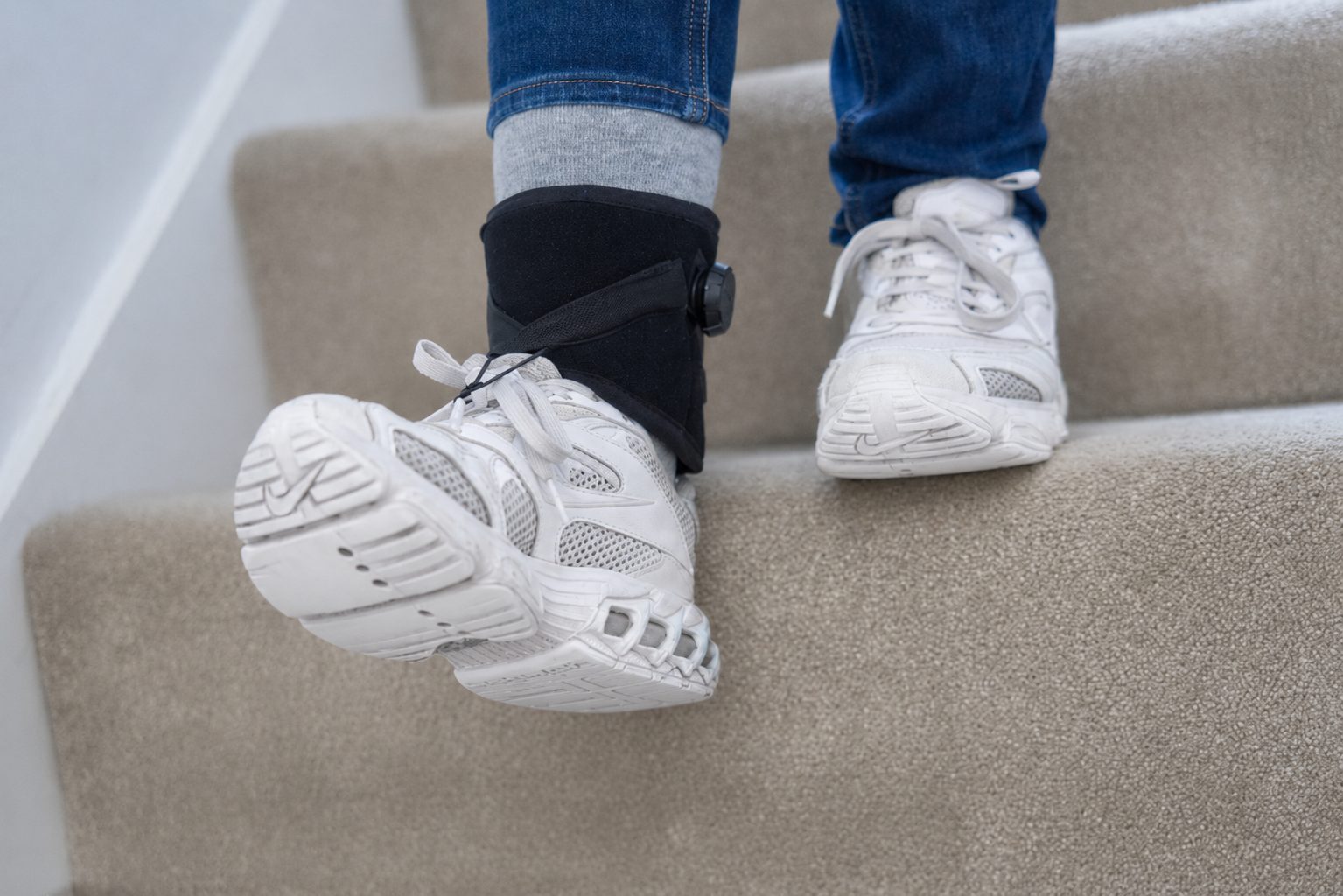
A splint can make walking safer while rehabilitation continues. By supporting the foot, it may reduce toe catching, improve confidence and make it easier to practise walking without constantly worrying about tripping. That confidence matters, because avoiding walking can quickly reduce strength and stamina.
The OrthoPed foot drop splint has been reported as easier to manage one-handed, which can be especially relevant after stroke if one arm or hand is weaker. It is not the right answer for every stroke survivor, particularly where there is severe spasticity, significant deformity or complex ankle positioning, but ease of independent use is a practical point worth discussing during equipment assessment.
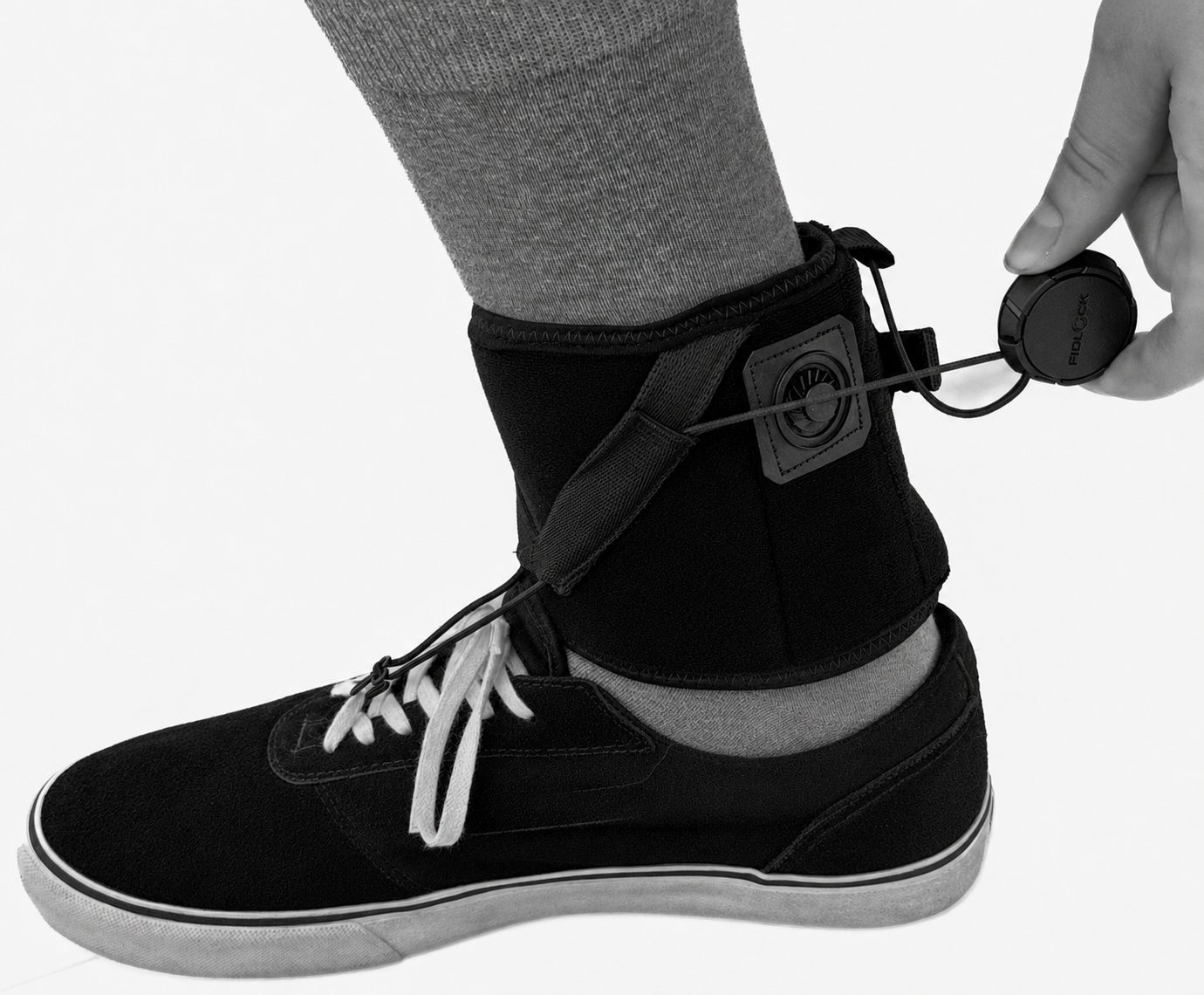
Could the OrthoPed splint help?
A lighter, shoe-compatible splint often reported as easier to put on one-handed, which can suit some stroke survivors with flexible mild to moderate foot drop. £50 with VAT relief, free shipping to England, Scotland and Wales. It is not suitable where there is severe spasticity or significant deformity, so discuss it during your equipment assessment.
Returning to walking and daily activities
Walking after stroke is about more than clearing the foot. It involves balance, weight shift, confidence, endurance, turning, dual-tasking and adapting to real environments. A person may walk well in a clinic corridor but struggle with carpet edges, kerbs, narrow doorways, pets, garden paths or tiredness later in the day.
Home-based walking practice lets rehabilitation happen where the challenges actually occur. If trips or near falls are part of the picture, falls prevention support can help with balance exercises, home setup, lighting, footwear, walking aids and confidence-building strategies.
Getting professional support
Stroke recovery can be hard physically and emotionally. A good rehabilitation plan should respect both. It should give you enough challenge to make progress, enough support to feel safe, and enough clarity that you know what you are practising and why.
For home visits, see neurological rehabilitation. For paediatric, neurological and specialist orthotic experience, visit Claire Williamson's profile. You can also contact our office if you are unsure where to start.