What Causes Foot Drop? A Complete Guide
Foot drop is most commonly caused by damage or compression of the peroneal nerve, which runs near the surface of the leg just below the knee. Other causes include stroke, multiple sclerosis, cerebral palsy, spinal conditions and muscle disorders. Foot drop is a symptom, not a condition in itself.
Written and reviewed by qualified physiotherapists across the Mobile Physiotherapist network. Last updated: 29 May 2026.

Nerve-related causes
The nerves that control ankle and toe lifting carry messages from the spine to the muscles at the front of the shin. If those messages are interrupted, weakened or delayed, the foot may not clear the floor properly when walking.
Peroneal nerve compression
The peroneal nerve, also called the common fibular nerve, passes around the outside of the knee near the fibular head. Because it sits close to the surface, it can be vulnerable to compression or injury. This is one of the most common causes of foot drop. Read the focused peroneal nerve injury guide for symptoms, recovery and support options.
- Sciatic nerve injury: damage higher up the leg can affect the nerve supply that eventually controls the foot and ankle.
- Peripheral neuropathy: nerve damage in the feet and legs, often linked with diabetes or other medical conditions, can affect strength and sensation.
- Nerve damage during hip or knee replacement surgery: foot drop can occur after surgery if a nerve is stretched, compressed or injured, though this is uncommon.
- Habitual leg crossing or prolonged squatting: sustained pressure around the outside of the knee can irritate the peroneal nerve in some people.
- Trauma around the knee or fibula: fractures, dislocations or direct blows can damage the nerve pathway.
Brain and spinal cord causes
Foot drop can also come from the central nervous system. In these cases the muscles may be physically capable of moving, but the control signal from the brain or spinal cord is disrupted. Treatment often focuses on neurological rehabilitation, gait practice, balance, tone management and suitable support for walking.
- Stroke: weakness, altered tone, coordination changes and reduced sensation after stroke can all contribute to foot drop. Read more about foot drop after stroke.
- Multiple sclerosis: MS can affect nerve signal transmission and may cause weakness, fatigue, spasticity or altered walking pattern.
- Cerebral palsy: muscle tone, selective motor control and growth-related changes can affect foot position and walking in children and adults.
- Spinal stenosis: narrowing around the spinal canal or nerve roots can affect leg strength and walking.
- Herniated disc: a slipped disc, often around L4-L5 or L5-S1, can irritate the nerve roots involved in lifting the foot.
- Traumatic brain injury: changes in strength, tone, coordination and balance after brain injury can alter foot clearance during walking.
Muscle disorders
Sometimes the difficulty is not mainly the nerve signal, but the muscle's ability to produce force. Muscle disorders can affect the strength, endurance or control of the muscles that lift the foot. These causes usually need medical diagnosis and specialist management alongside physiotherapy.
- Muscular dystrophy: a group of inherited conditions that cause progressive muscle weakness.
- ALS / motor neurone disease: a progressive neurological condition that can cause weakness and wasting in different muscle groups.
- Myositis: inflammation of muscle tissue that can cause weakness, pain or fatigue.
Other causes
Foot drop may also appear in situations where general health, positioning, immobilisation or treatment side effects affect nerve and muscle function. These causes are sometimes overlooked because they do not always start with a dramatic injury.
- Prolonged bed rest or immobilisation: weakness, stiffness and pressure around vulnerable nerves can affect walking.
- Casting following a leg fracture: casts can alter movement and, rarely, contribute to nerve pressure or weakness.
- Charcot-Marie-Tooth disease: an inherited nerve condition that can cause foot and ankle weakness, altered sensation and high arches.
- Polio and post-polio syndrome: previous polio can lead to later changes in strength and fatigue.
- Vincristine neuropathy: this chemotherapy-related neuropathy is listed by OrthoPed as one of the conditions that may be improved through use of the OrthoPed splint, subject to healthcare advice.
When to seek help
See a GP or appropriate medical professional if you notice tripping, catching your toes, slapping the foot down, new ankle weakness or numbness on the top of the foot. Early assessment improves the chance of identifying the cause and reducing falls risk, regardless of whether the problem is temporary or long term.
Seek urgent medical advice if foot drop comes on suddenly, follows a significant injury, is associated with facial weakness or speech changes, or happens with severe back pain, saddle numbness, bladder or bowel changes, fever, unexplained weight loss or rapidly worsening weakness. These symptoms may point to conditions that need urgent medical attention.
What happens after the cause is identified?
The next step depends on the diagnosis. Some people need medical treatment, imaging or specialist referral. Others need a rehabilitation plan that focuses on strength, ankle range of movement, balance, walking practice and falls prevention. Many people also benefit from practical support such as a foot drop splint, brace or AFO splint.
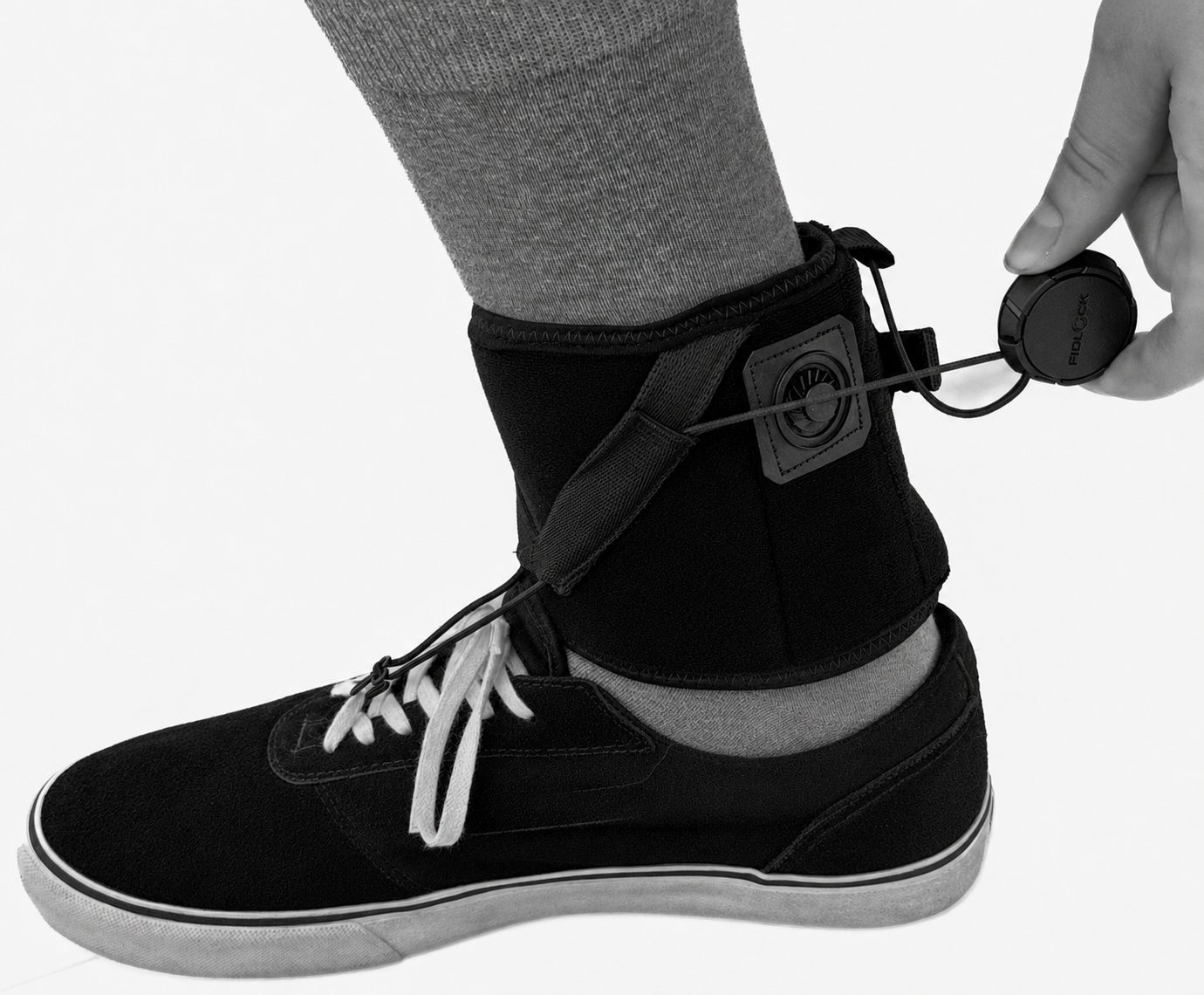
The OrthoPed splint is a patented foot drop splint established by physiotherapist Claire Williamson, formerly Claire Narborough. It is designed for people who find it difficult to lift the front of the foot and want a lighter support option for suitable mild to moderate foot drop or related walking needs.
Could the OrthoPed splint help?
Once the cause is understood, a lighter, shoe-compatible splint can support toe clearance for suitable mild to moderate foot drop. OrthoPed works with lace-up or suitable Velcro shoes — £50 with VAT relief, free shipping to England, Scotland and Wales. Suitability depends on your foot shape, tone and walking pattern.
Next steps
Start rehabilitation
See the foot drop exercises page for physiotherapist-recommended strengthening, stretching and gait practice ideas.
Get professional advice
For neurological causes, visit neurological rehabilitation. For walking confidence, visit walking practice, or contact our office.