Peroneal Nerve Injury and Foot Drop
A peroneal nerve injury is one of the most common nerve-related reasons for foot drop. It can make it harder to lift the front of the foot, leading to toe catching, trips, a slapping footstep or a higher-stepping walking pattern.
Written and reviewed by qualified physiotherapists across the Mobile Physiotherapist network. Last updated: 29 May 2026.

What is the peroneal nerve?
The peroneal nerve, also called the common fibular nerve, travels around the outside of the knee near the fibular head before supplying muscles that lift and turn the foot. Because it sits close to the surface at the outside of the knee, it can be vulnerable to pressure, stretching or injury.
When the nerve signal is reduced, the muscles at the front and outside of the lower leg may not work as strongly. This can cause foot drop, ankle weakness and altered sensation over the top of the foot or outside of the lower leg.
Symptoms of peroneal nerve injury
Symptoms can come on suddenly after injury or gradually after compression. Common signs include:
- Difficulty lifting the toes or front of the foot.
- Toe catching on carpet, kerbs or uneven ground.
- A slapping footstep when the foot lands.
- Numbness, tingling or altered sensation on the top of the foot.
- Weakness turning the foot outwards.
- Reduced confidence walking outdoors or on stairs.
Common causes
Peroneal nerve symptoms can happen when the nerve is compressed, stretched or injured. Causes include pressure around the outside of the knee, trauma, surgery, prolonged bed rest, tight casts or braces, significant weight loss, habitual leg crossing, prolonged squatting and some neurological or metabolic conditions.
Our broader foot drop causes guide explains how peroneal nerve injury fits alongside spinal, stroke-related, neuropathy and muscle-related causes.
Recovery and treatment
Recovery depends on the cause and severity of the nerve problem. Mild compression may improve when pressure is removed and movement is gradually restored. More significant nerve injury can take longer and may need specialist medical review, nerve testing or imaging.
Physiotherapy may include ankle range of movement, strengthening where muscle activity is present, calf stretching, balance work, gait practice and advice on avoiding positions that compress the nerve. If toe clearance is affecting walking, a foot drop splint, brace or AFO splint can support day-to-day mobility while recovery and rehabilitation continue.
Splints and braces for peroneal nerve foot drop
A good support should make toe clearance easier, feel secure, work with suitable footwear and be manageable in real life. Some people need a more structured ankle foot orthosis. Others prefer a lighter support for mild to moderate foot drop.
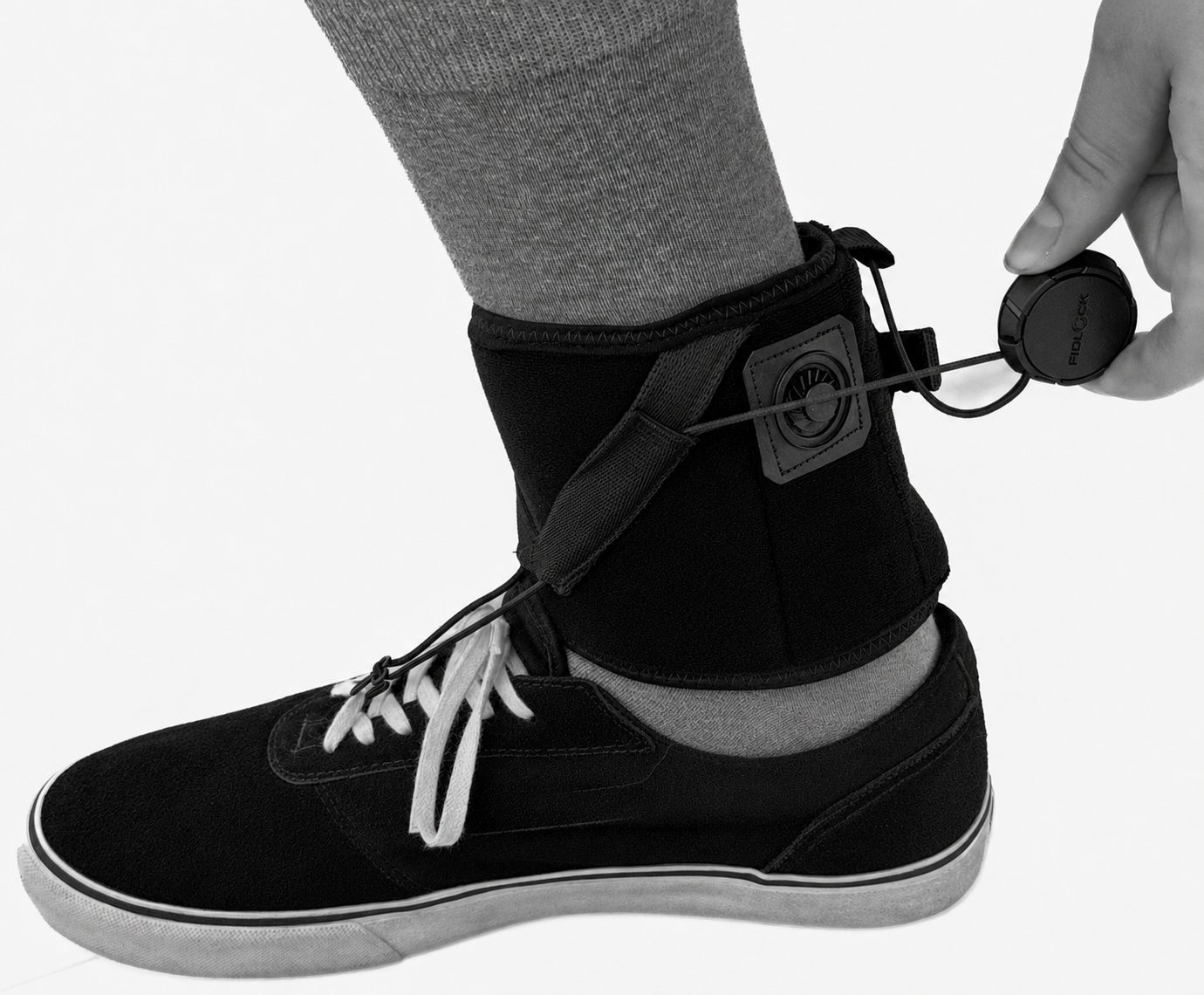
The OrthoPed Foot Drop Splint is a patented, physiotherapist-established option designed for people who find it difficult to lift the front of the foot and want lighter support with lace-up or suitable Velcro-fastening shoes.
Could the OrthoPed splint help?
Peroneal nerve foot drop is often flexible, which is where a lighter splint can support toe clearance while recovery and rehabilitation continue. OrthoPed works with lace-up or suitable Velcro shoes — £50 with VAT relief, free shipping to England, Scotland and Wales. Suitability depends on your foot shape, tone and walking pattern.
When to seek medical advice
Seek assessment if foot drop is new, worsening, linked to pain or injury, or associated with numbness, falls or reduced walking confidence. Urgent advice is needed if symptoms come on suddenly with facial weakness, speech changes, severe back pain, bladder or bowel changes, saddle numbness, fever or rapidly worsening weakness.
Frequently asked questions
Can peroneal nerve injury cause foot drop?
Yes. The peroneal nerve helps control the muscles that lift the front of the foot. Injury or compression can cause weakness, toe catching and foot drop.
Can a peroneal nerve injury recover?
Some peroneal nerve injuries recover, especially when compression is relieved and the nerve has not been severely damaged. Recovery depends on the cause, severity and duration of symptoms.
What support helps foot drop from peroneal nerve injury?
Physiotherapy, strengthening, stretching, gait practice and suitable splints or braces may help. A foot drop splint can support toe clearance while recovery and rehabilitation continue.