Foot Drop After Surgery
Foot drop can occasionally appear after hip, knee, leg or spine surgery. It needs medical review because the right next step depends on the cause, timing and severity.
Written and reviewed by qualified physiotherapists across the Mobile Physiotherapist network. Last updated: 1 June 2026.

Important: speak to your surgical team
If foot drop starts after an operation, tell your surgeon, ward team, GP or urgent care service. This is especially important if the weakness is new, worsening, linked with severe pain, numbness, increasing swelling, wound concerns, bladder or bowel changes, or other neurological symptoms.
Why can foot drop happen after surgery?
Foot drop after surgery can have several possible causes. These may include nerve irritation, pressure around the peroneal nerve near the outside of the knee, swelling, positioning during surgery, local trauma, spinal nerve root irritation, or an underlying nerve problem becoming more noticeable during recovery.
The NHS lists hip or knee replacement surgery among possible causes of foot drop. That does not mean every post-surgical foot drop is caused by the operation itself; it means it needs careful assessment so the clinical team can decide what is most likely and whether tests or treatment are needed.
Questions to ask your medical team
- Which nerve or part of the leg do you think is affected?
- Do I need urgent imaging, nerve tests or specialist review?
- Are there any positions I should avoid while resting?
- Should I use a splint, AFO or walking aid while waiting for recovery?
- How should I check my skin, sensation and swelling?
- What changes would mean I should seek urgent help?
- When should physiotherapy start, and are there any surgical restrictions?
Rehabilitation priorities
Early rehabilitation is usually practical and safety-focused. Your physiotherapist may check ankle movement, calf tightness, muscle activation, sensation, swelling, balance, walking pattern, footwear and transfers. The plan should fit your surgical precautions as well as the foot drop.
Protect walking safety
A walking aid, temporary splint or AFO may reduce toe catching while the cause is being reviewed.
Maintain ankle movement
Gentle range work and calf stretching may help prevent stiffness, if allowed by your surgical team.
Rebuild strength
Exercises may target dorsiflexion, hip control, knee control and general post-operative strength.
Practise real tasks
Stairs, bed transfers, toilet transfers, outdoor walking and confidence can be built gradually.
Splints and AFOs after surgery
A splint or AFO can help hold or lift the foot while walking, but it should not hide a new medical problem. If the foot drop is new after surgery, equipment should sit alongside medical review, not replace it.
Depending on weakness, swelling, skin, footwear and surgical precautions, your clinician may suggest an AFO, a lighter foot drop splint, or a walking aid. For some suitable users, the OrthoPed Foot Drop Splint may be a lighter option, but new post-surgical symptoms should still be discussed with the surgical or medical team.
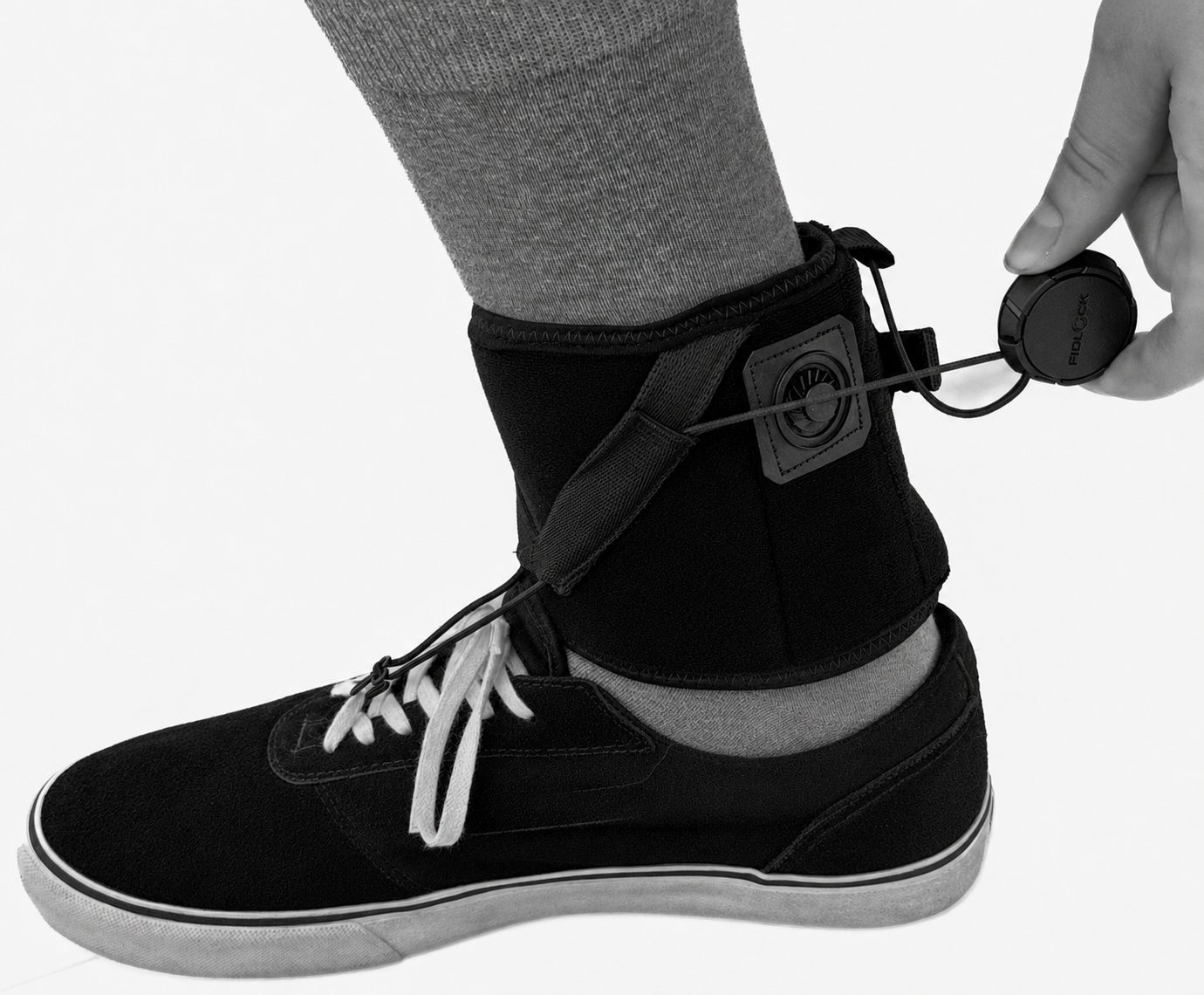
Could the OrthoPed splint help?
A lighter, shoe-compatible foot drop splint that can support toe clearance while recovery continues, for suitable mild to moderate foot drop. £50 with VAT relief, free shipping to England, Scotland and Wales. New foot drop after surgery should always be reviewed by your surgical or medical team first.