Foot Drop FAQs
Answers to common questions about foot drop, including symptoms, causes, recovery, exercises, splints, AFOs, walking and when to seek medical advice.
Written and reviewed by qualified physiotherapists across the Mobile Physiotherapist network. Last updated: 1 June 2026.
Quick safety note
Foot drop is a symptom, not a diagnosis. New or worsening foot drop should be assessed by a GP or appropriate medical professional so the underlying cause can be checked. Seek urgent medical advice if foot drop starts suddenly or comes with facial weakness, speech changes, severe back pain, bladder or bowel changes, new widespread weakness, or symptoms after a significant injury.
Symptoms and causes
What is foot drop?
Foot drop means the front of the foot does not lift properly when you walk. The toes may catch, the foot may slap down, or you may lift the knee higher to clear the floor. For the full explanation, read what is foot drop?
What causes foot drop?
Common causes include peroneal nerve irritation or injury, slipped disc or spinal stenosis, stroke, multiple sclerosis, cerebral palsy, peripheral neuropathy, trauma, and sometimes hip or knee surgery. Our foot drop causes guide explains this in more detail.
Can foot drop happen after surgery?
Yes. Foot drop can happen after hip, knee, leg or spine surgery, usually because of nerve irritation, compression, swelling, positioning, or a pre-existing nerve or spinal problem. Read foot drop after surgery.
Is foot drop the same as peroneal nerve injury?
No. Peroneal nerve injury is one common cause of foot drop, but foot drop can also come from the brain, spinal cord, nerve roots, muscles or long-term neurological conditions. See peroneal nerve injury and foot drop.
Recovery and treatment
Can foot drop get better?
Sometimes. Recovery depends on the cause, severity, sensation, timing and whether the underlying problem can improve. Some nerve-related cases recover over weeks or months; some neurological causes need longer-term management.
What is the best treatment for foot drop?
There is no single best treatment for everyone. Options can include physiotherapy, strengthening, stretching, walking practice, footwear advice, AFOs, splints, Functional Electrical Stimulation and, in selected cases, surgery. Start with the main foot drop guide.
Do foot drop exercises work?
Exercises can help when there is enough active muscle control and when they are matched to the cause. They may focus on dorsiflexion strength, calf length, balance, hip control and gait practice. See foot drop exercises.
Can foot drop be fixed?
Sometimes foot drop improves, but it depends on the cause. Foot drop is a symptom, not a single diagnosis. Some nerve-related cases recover as irritation settles, while other causes need long-term rehabilitation, walking support, an AFO, a splint or specialist management. New or worsening foot drop should be medically assessed.
Can a splint fix foot drop?
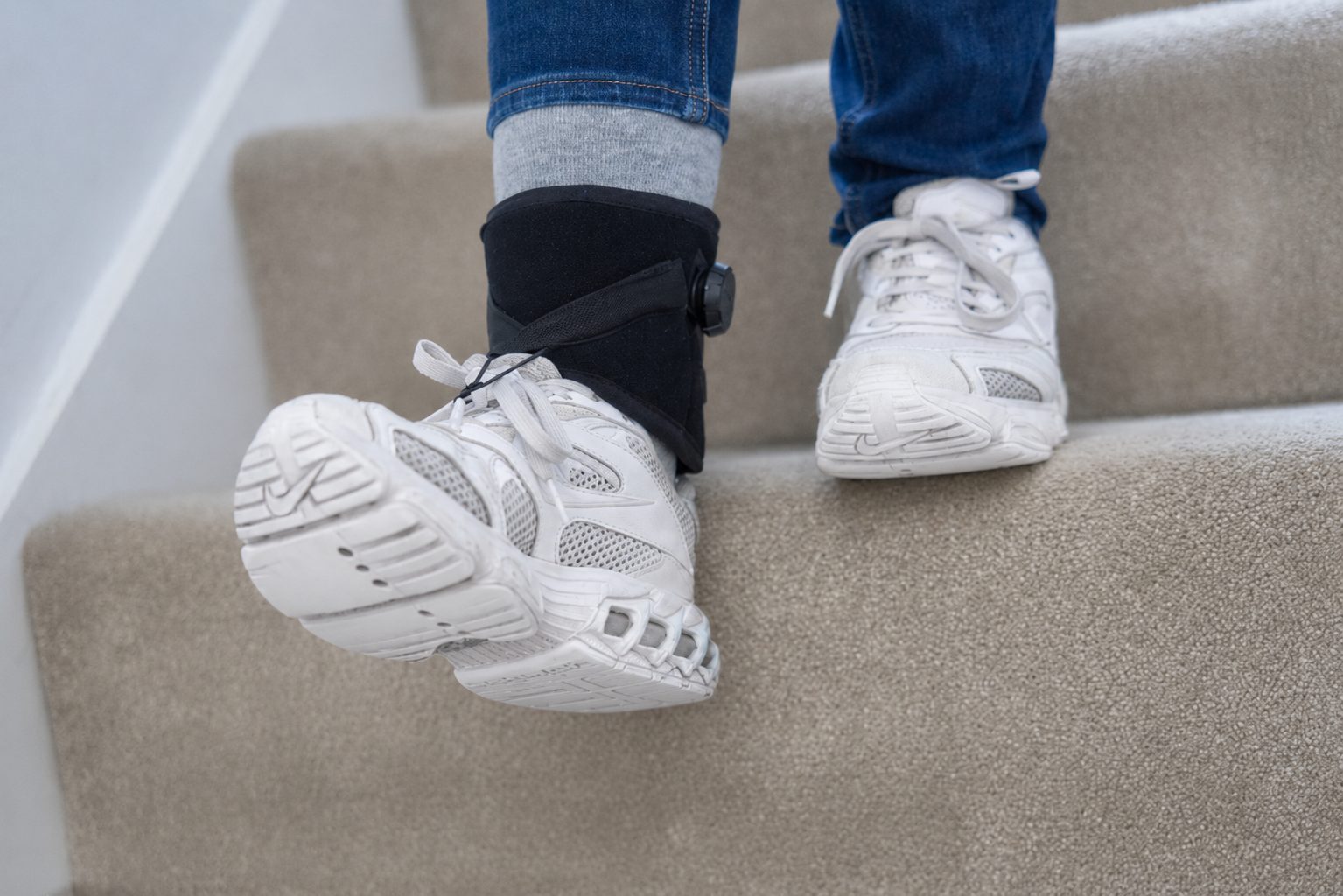
A splint usually supports walking rather than curing the underlying cause. It may reduce toe catching, improve confidence and lower falls risk. The underlying condition still needs appropriate assessment and management.
Splints, braces and AFOs
What is an AFO?
An AFO, or ankle foot orthosis, is a brace that supports the foot and ankle. Some are rigid, some are flexible, and some are custom made. Learn more in AFO splints for foot drop.
What is the difference between an AFO and a foot drop splint?
An AFO usually gives more ankle-foot control. A lighter foot drop splint may focus mainly on helping toe clearance. The right support depends on muscle weakness, spasticity, balance, skin, shoe fit and the activities you need to do. Compare them in AFO vs foot drop brace.
Is the OrthoPed splint suitable for everyone?
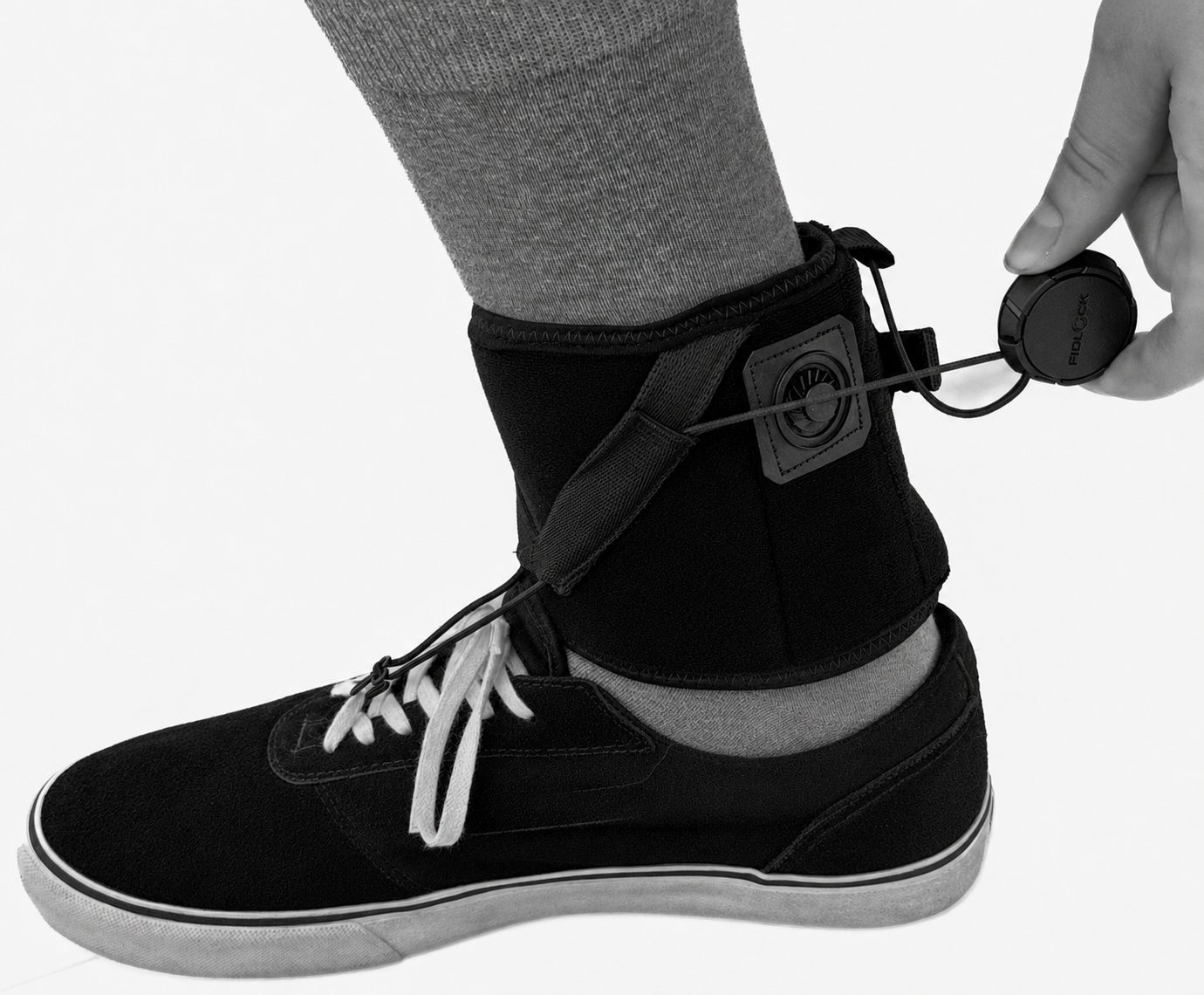
No single splint suits everyone. The OrthoPed Foot Drop Splint may suit some people who need a lighter shoe-compatible support, but more complex weakness, spasticity, deformity, skin risk or changing symptoms may need clinical assessment.
Can I wear a splint all day?
Build up gradually and follow product or clinical advice. Check skin regularly, especially if you have reduced sensation, diabetes, swelling or fragile skin. Stop and seek advice if you notice rubbing, blistering, increased pain, pins and needles or colour changes.
Could the OrthoPed splint help?
A lighter, shoe-compatible foot drop splint for suitable mild to moderate foot drop, designed to reduce toe catching during everyday walking. £50 with VAT relief, free shipping to England, Scotland and Wales. Suitability depends on your foot shape, tone and walking pattern.
Walking, daily life and safety
Why do I trip more with foot drop?
If the toes do not lift clearly during the swing phase of walking, they can catch on carpets, kerbs, uneven ground or small obstacles. Fatigue, poor lighting, rushed walking and unsuitable shoes can make this worse.
Can I walk without a splint?
Some people can, especially with mild weakness or good compensations. Others are safer with a splint, AFO, walking aid or gait practice. The question is not just whether you can walk, but whether you can walk safely and repeatedly in real environments.
Can I drive with foot drop?
Driving depends on the affected side, vehicle controls, strength, sensation, reaction time and medical advice. If foot drop affects your ability to control a vehicle safely, seek clinical advice and check DVLA guidance.
What can I do at home to reduce trips?
Wear supportive footwear, keep floors clear, remove loose rugs where possible, improve lighting, use rails on stairs and use a walking aid if advised. NHS foot drop advice also highlights reducing trip hazards and using supportive shoes.
Useful related guides
Foot drop glossary
Plain-English definitions of terms such as dorsiflexion, AFO, FES, gait and spasticity.
Walking with a splint
Practical tips for wearing a splint, choosing shoes and building confidence.
Cerebral palsy and foot drop
Support considerations for children and adults with cerebral palsy.
Foot drop after surgery
What to ask your surgical team and how rehabilitation may help.