Walking With a Foot Drop Splint
A foot drop splint or AFO can make walking feel more predictable, but it works best when it is fitted well, matched with suitable shoes and introduced gradually.
Written and reviewed by qualified physiotherapists across the Mobile Physiotherapist network. Last updated: 1 June 2026.
Before you start
If foot drop is new, worsening or unexplained, seek medical advice before simply buying a splint. A splint can help toe clearance, but it does not diagnose the reason your foot is dropping.
If you already have a diagnosis, check whether the splint has been recommended for your level of weakness, sensation, skin risk, tone, balance and footwear. If you have diabetes, reduced sensation, swelling or fragile skin, skin checks are especially important.
Choosing shoes
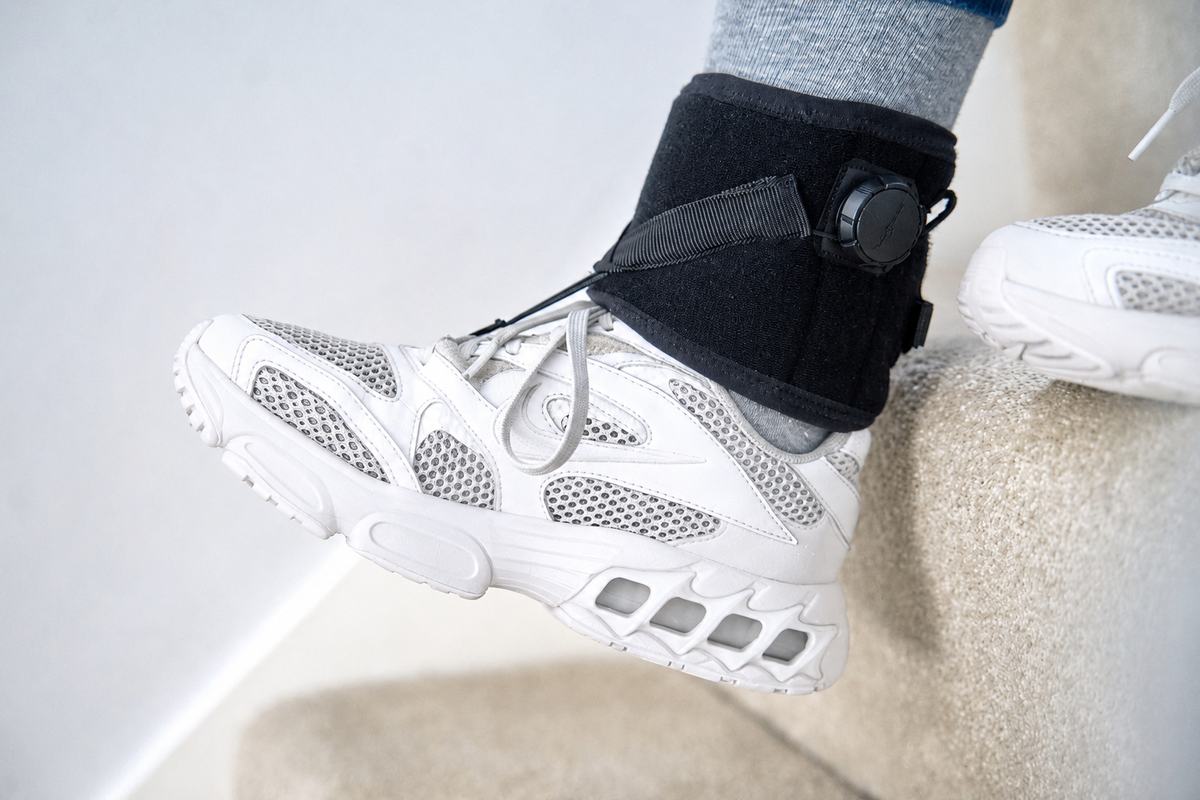
Foot drop supports usually work best with secure, supportive footwear. Look for shoes that hold the heel well, have enough depth for any brace or insole, and fasten with laces or suitable Velcro. Avoid loose slip-on shoes if they make the foot move around inside the shoe.
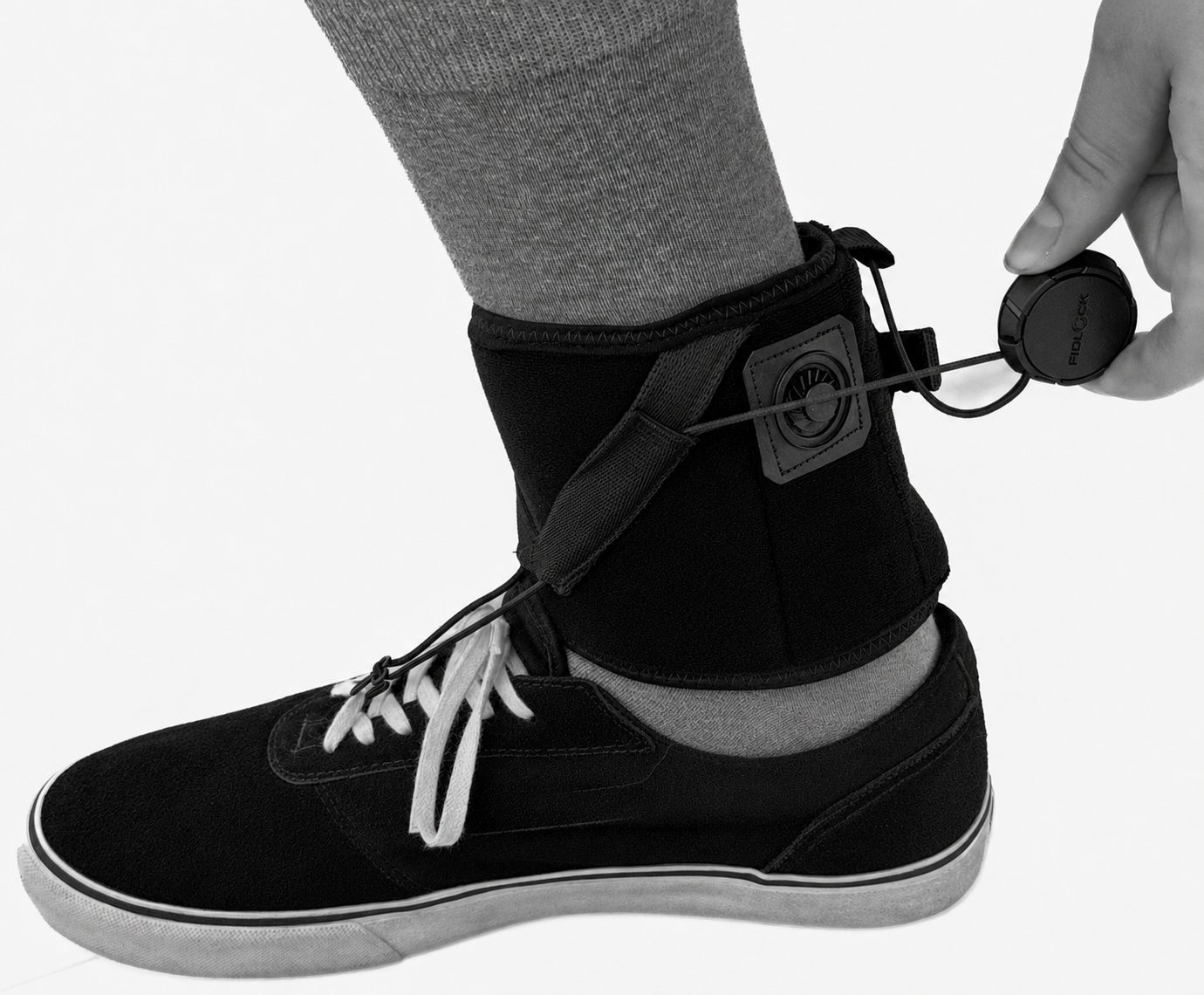
The OrthoPed Foot Drop Splint is designed for lace-up shoes or suitable Velcro-fastening shoes. More rigid AFOs may need deeper shoes or a removable insole to create space.
Build up gradually
- Try it indoors first. Start somewhere clear, well lit and close to support.
- Check the skin. Look for rubbing, red marks, pressure, blisters or colour changes after short wear.
- Practise simple walking. Focus on slower, even steps before trying turns, stairs or outdoor surfaces.
- Add real tasks. Build towards your normal goals: the kitchen, bathroom, garden path, front step or local shop.
- Review if it feels wrong. Pain, numbness, pins and needles, increased trips or skin marks mean the fit or support may need changing.
Stairs, kerbs and uneven ground
Practise stairs and kerbs with a rail or support first. A splint may improve toe clearance, but you still need enough strength, balance and confidence to control the whole step. Uneven ground, wet leaves, gravel and thick carpets can be more challenging than flat indoor floors.
If your foot still catches, your knee gives way, or you feel you are swinging the leg around, ask a physiotherapist to review your gait pattern and equipment.
Common problems
The splint rubs
Stop and check the skin. You may need a different sock, shoe, fit, strap tension or brace style.
The toes still catch
The support may not provide enough lift, or other factors such as hip control, fatigue or spasticity may be contributing.
Walking feels stiff
Some supports restrict ankle movement. That can be helpful for stability but may feel different on slopes or stairs.
The shoe does not fit
Try a shoe with more depth, a secure fastening or removable insole, or ask an orthotist for footwear advice.
Splint or AFO?
A lighter splint may suit some people with mild to moderate foot drop who need help lifting the front of the foot. A more rigid AFO may be better when the ankle needs more stability or control. Compare options in AFO vs foot drop brace and best foot drop support.
Could the OrthoPed splint help?
Designed for lace-up or suitable Velcro shoes, OrthoPed is a lighter foot drop splint for suitable mild to moderate foot drop where the main goal is reducing toe catching. £50 with VAT relief, free shipping to England, Scotland and Wales. Suitability depends on your foot shape, tone and walking pattern.
When to get help
Ask for clinical advice if you have new foot drop, changing symptoms, repeated falls, skin damage, pain, numbness, swelling, severe weakness, spasticity, diabetes-related sensation changes, or uncertainty about which support to use. A physiotherapist can review walking, strength, balance, footwear and home safety.