Foot Drop Glossary
Plain-English meanings for the terms you may hear when reading about foot drop, walking support, splints, orthotics and rehabilitation.
Written and reviewed by qualified physiotherapists across the Mobile Physiotherapist network. Last updated: 1 June 2026.
A to Z foot drop terms
- AFO
- An ankle foot orthosis. This is a brace that supports the foot and ankle. Some AFOs are rigid and controlling; others are lighter or more flexible. See AFO splints.
- Ankle foot orthosis
- The full name for an AFO. It may be off the shelf or custom made by an orthotist.
- Brace
- A general word for external support worn around a joint or limb. In foot drop, people may use "brace", "splint" and "orthosis" in slightly different ways.
- Calf tightness
- Reduced flexibility in the calf muscles. This can make it harder for the ankle to move freely and may affect how a splint fits or how the foot lands.
- Circumduction
- A walking compensation where the leg swings out to the side to clear the foot. It can happen when lifting the foot or bending the knee is difficult.
- Dorsiflexion
- The movement of lifting the foot and toes upwards towards the shin. Foot drop is usually linked with weak or poorly controlled dorsiflexion.
- FES
- Functional Electrical Stimulation. FES uses electrical impulses to help activate muscles during walking in selected people, particularly some neurological conditions.
- Foot slap
- A heavy or noisy landing of the foot after heel strike. It may happen when the muscles cannot control the foot lowering smoothly.
- Gait
- Your walking pattern. A physiotherapist may assess gait to see how the foot clears the floor, how weight transfers, and whether the knee, hip or trunk are compensating.
- Gait re-training
- Practice to improve walking pattern, step length, foot clearance, balance, turning, stairs or outdoor confidence.
- Orthosis
- An external device used to support, align or assist a body part. AFOs and some foot drop splints are types of orthosis.
- Orthotics
- The clinical area focused on assessing, prescribing and fitting orthoses. Orthotics services may provide AFOs, insoles, KAFOs, shoe adaptations and other supports.
- Orthotist
- A clinician trained to assess, prescribe and fit orthoses such as AFOs.
- Peroneal nerve
- A nerve that passes around the outside of the knee and helps supply muscles that lift the foot. It is a common nerve involved in foot drop. Read peroneal nerve injury and foot drop.
- Plantarflexion
- The movement of pointing the foot downwards. Strong or overactive plantarflexion can sometimes contribute to toe dragging.
- Spasticity
- Increased muscle tone or stiffness caused by neurological conditions. It can affect the ankle position, walking pattern and whether a light splint is enough.
- Splint
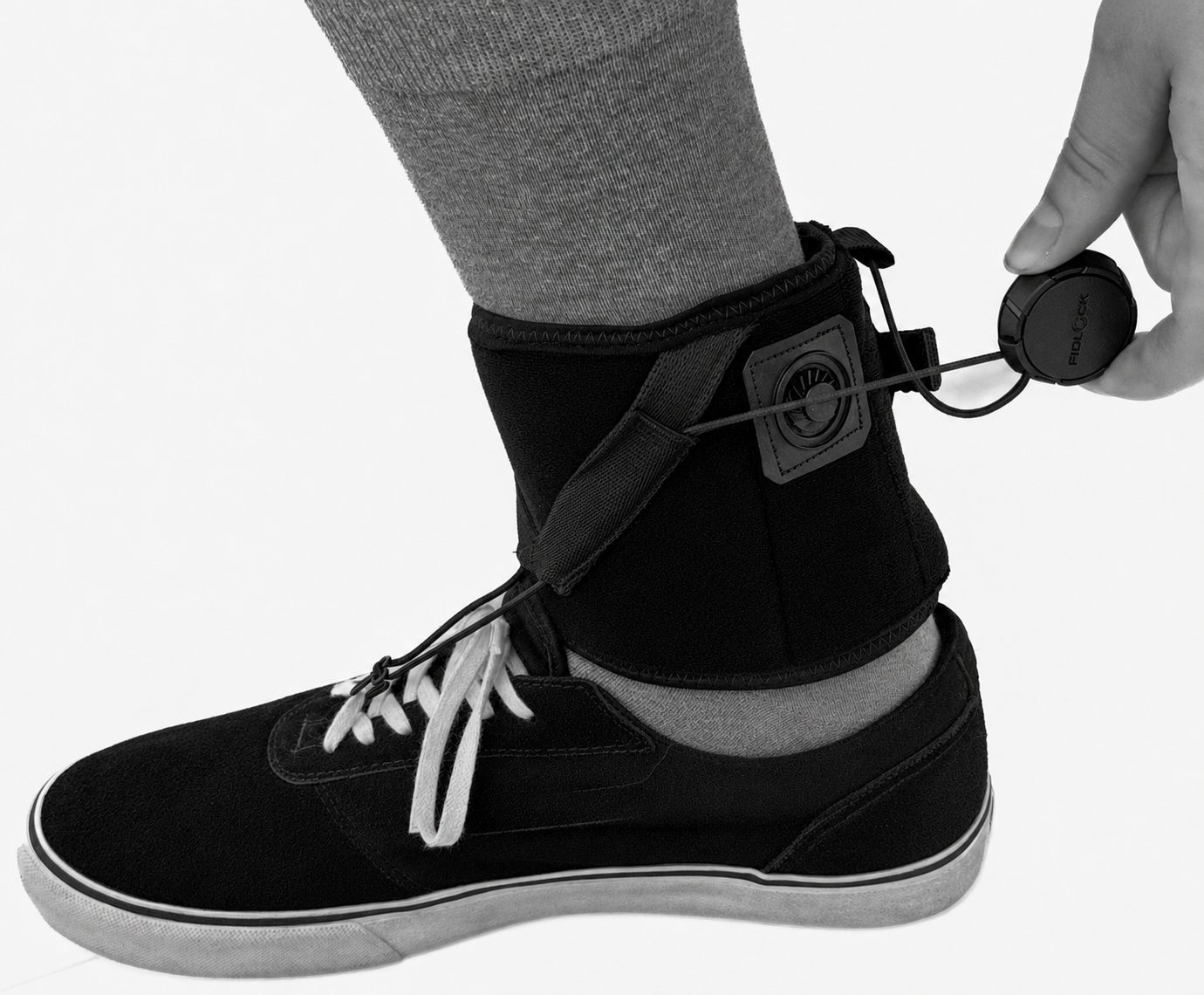
- A support worn to hold, assist or guide a body part. A foot drop splint may help lift the front of the foot during walking. See foot drop splints.
- Steppage gait
- A walking pattern where the knee lifts higher than usual to help clear the toes.
- Toe clearance
- The space between the toes and the ground during the swing phase of walking. Poor toe clearance increases trip risk.
How to use this glossary
If you are new to foot drop, start with what is foot drop?. If you are comparing supports, read AFO vs foot drop brace. If you are considering a lighter support, the OrthoPed Foot Drop Splint page explains product-specific information.