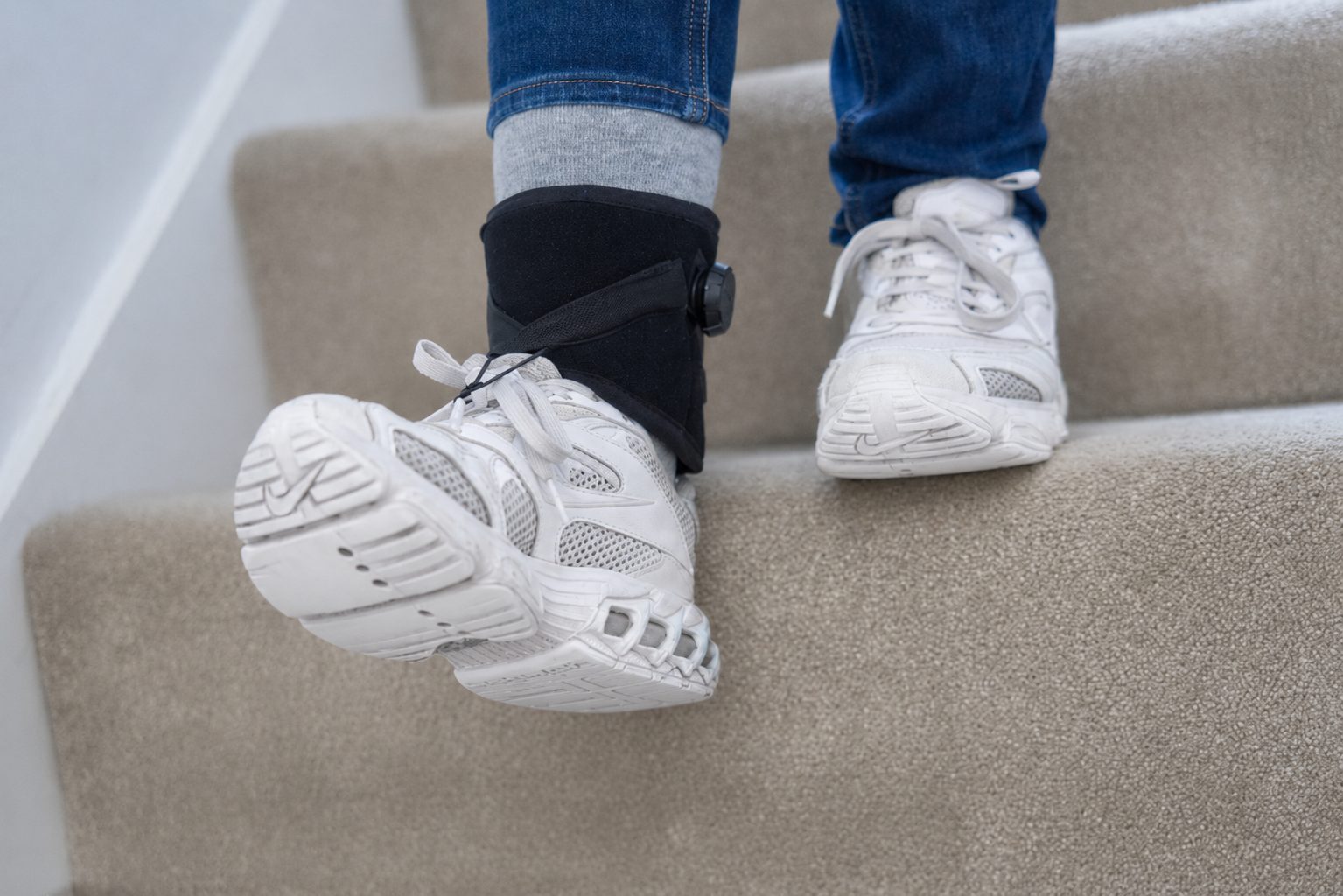
Foot drop after hip replacement can feel frightening because it changes walking at a time when you are already recovering from surgery. The priority is to contact the surgical team or GP promptly so the cause and urgency can be checked.
Seek urgent medical advice if foot drop starts suddenly or comes with severe back pain, bladder or bowel changes, sudden neurological symptoms, new widespread weakness, severe pain, rapidly worsening numbness, or symptoms after a significant injury.
Why foot drop can happen after hip surgery
Foot drop can be associated with nerve irritation or injury after hip replacement surgery. It can also relate to spinal nerve root problems, peroneal nerve issues, prolonged positioning, swelling, pain inhibition, or a pre-existing problem that becomes more obvious during recovery.
Because the cause matters, do not assume a brace is the whole answer. The surgical team may need to review symptoms, sensation, strength, pain, wound status and wider recovery.
What to ask your surgical team
- What might be causing the new weakness or toe catching?
- Do I need medical review, imaging, nerve tests or orthotics referral?
- What symptoms would be urgent?
- What walking aid, splint or AFO is safest during recovery?
- Are there any hip precautions that affect gait practice or stairs?
Rehabilitation and gait safety
Once the medical plan is clear, physiotherapy may focus on safe transfers, hip precautions, strength, balance, gait practice, fatigue management, walking aids and falls prevention. Foot drop support may be temporary for some people and longer term for others.
Read the broader foot drop after surgery guide and the peroneal nerve injury page for related context.
Splints, AFOs and OrthoPed after hip replacement
A temporary support can help reduce toe catching during walking practice, but the choice must match severity, sensation, balance, hip precautions, footwear and falls risk. Severe weakness, major ankle instability or complex gait may need an AFO or orthotics assessment.
The OrthoPed Foot Drop Splint may be considered only where the presentation is suitable mild to moderate foot drop and medical advice does not suggest a stronger or different route. It is designed for lace-up or suitable Velcro-fastening shoes.
Frequently asked questions
Can hip replacement cause foot drop?
Foot drop can happen after hip or knee replacement surgery, but the cause needs medical assessment. Contact the surgical team promptly if new weakness, numbness or toe catching appears after hip surgery.
Is foot drop after hip replacement permanent?
It can improve in some cases, but sometimes foot drop is long term. Recovery depends on the cause, severity and whether the nerve or underlying problem recovers.
What should I do if I have foot drop after hip surgery?
Contact the surgical team or GP promptly, especially for new weakness, numbness, severe pain, sudden neurological symptoms or worsening walking. Physiotherapy and walking support may help once the medical plan is clear.
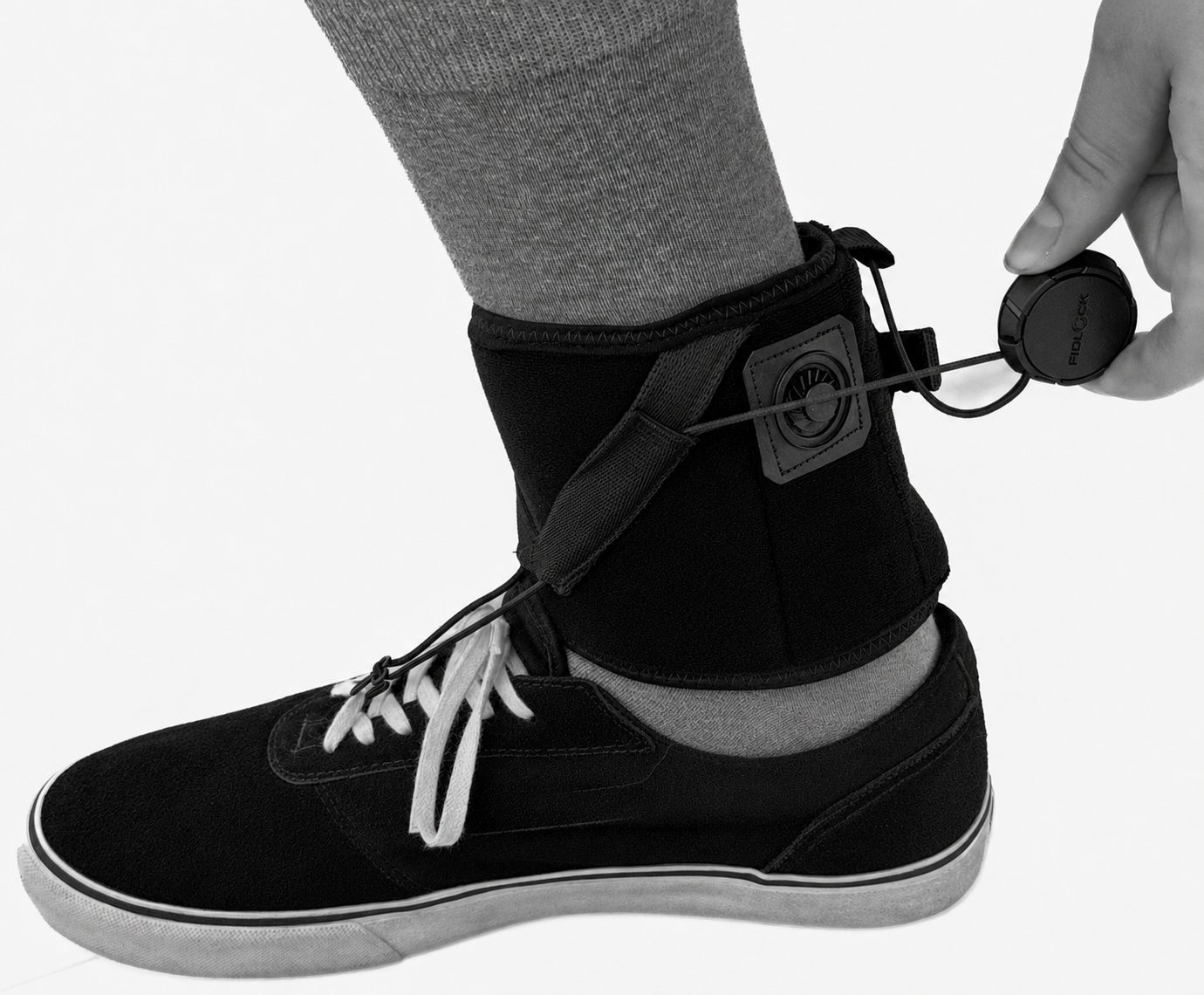
Order OrthoPed
If your surgical or clinical team feels a lightweight support is appropriate, OrthoPed may be considered for suitable mild to moderate foot drop.