3 June 2026 • 9 min read
Thigh Pain When Walking: Upper, Front and Back Thigh Causes
Thigh pain when walking can come from the hip, knee, lower back, muscles, nerves or reduced circulation. The right next step depends on the pattern of symptoms and whether there are any warning signs – and it matters most in older adults, who are more likely to have more than one cause at once.
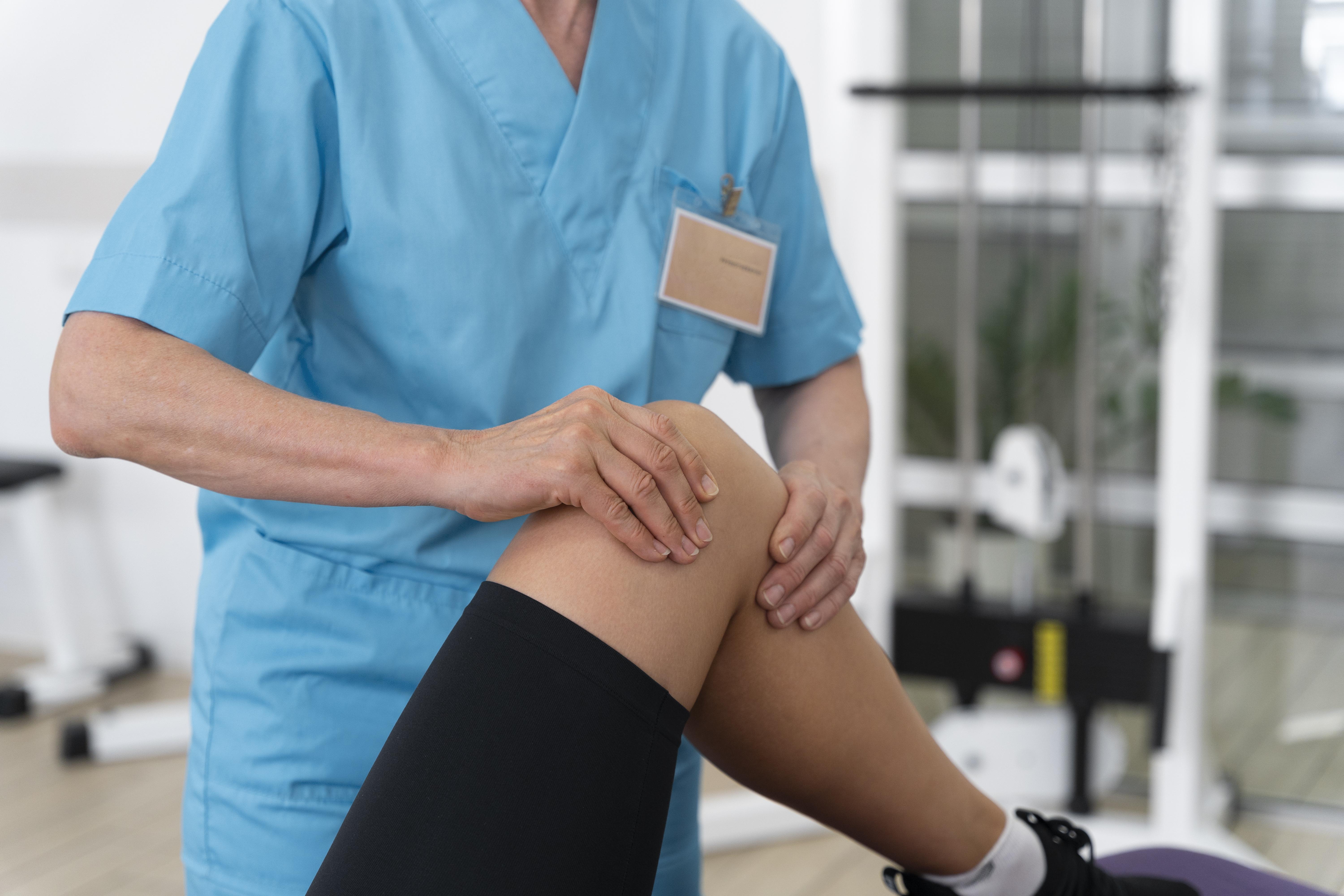
People often search for "upper thigh pain when walking", "front thigh pain" or "back thigh pain" because the pain is hard to pin down. It may feel like a deep ache, a sharp catch, a burning nerve pain, cramp, heaviness, or pain that appears only when standing, walking or climbing stairs.
This guide explains common patterns, when to seek medical advice first, and how joint pain and muscle injury physiotherapy, elderly rehabilitation at home and walking practice can help when physiotherapy is appropriate.
When to seek urgent medical advice first
Do not wait for physiotherapy if thigh or leg pain is new, severe, rapidly worsening, or linked with serious warning signs. Seek urgent medical advice if there is one-sided leg swelling, warmth, redness or darkening, swollen tender veins, chest pain, severe breathlessness, sudden weakness, new bladder or bowel problems, fever, severe trauma, or concern about a fracture or blood clot.
The NHS advises getting medical help as soon as possible if you think you may have a deep vein thrombosis, which can cause throbbing pain in one leg, swelling, warm skin and colour change. See the NHS information on blood clots for urgent guidance.
Also see your GP if thigh, calf or buttock pain reliably comes on after walking a certain distance and eases within a few minutes of resting. This pattern can be a sign of reduced blood flow to the leg (peripheral arterial disease, sometimes called claudication) and is worth checking, especially with a history of smoking, diabetes, high blood pressure or heart problems. The NHS has more on peripheral arterial disease.
Why does thigh pain happen when you walk?
When thigh pain appears specifically while walking and settles when you stop, the pattern of pain often points to the underlying cause. It is not a diagnosis on its own, but it helps you and a clinician know what to look at first.
- Hip joint (osteoarthritis): stiffness and hip arthritis commonly refer pain into the front of the thigh and groin. Pain is often worse when weight-bearing, on stairs or after standing up, and eases with rest. See our hip arthritis exercises.
- Hip tendons / side of hip (greater trochanteric pain): pain over the outer hip and thigh, often worse walking, climbing stairs or lying on that side.
- Nerve from the lower back (sciatica or spinal stenosis): back-related nerve pain can spread down the front, side or back of the thigh. If it comes on with walking or standing and eases when you sit or bend forward, it may be neurogenic claudication from a narrowed spinal canal. See our sciatica and leg pain exercises.
- Trapped thigh nerve (meralgia paraesthetica): burning, tingling or numbness over the outer front of the thigh, often worse with walking, standing or tight waistbands.
- Muscle overload or strain: a new walk, hill, stairs or gardening can irritate the quadriceps or hamstrings, giving an ache that builds with activity.
- Reduced circulation (peripheral arterial disease): a cramping ache that starts after a predictable walking distance and eases with rest – this one needs a GP check (see the warning above).
| What you notice when walking | Often linked with |
|---|---|
| Front-of-thigh and groin pain, worse on stairs and standing up | Hip joint / hip arthritis |
| Outer hip and thigh pain, worse lying on that side | Hip tendons (greater trochanteric pain) |
| Pain spreading from the back or buttock down the leg | Lower back / sciatic nerve |
| Pain on walking or standing that eases when you sit or lean forward | Spinal stenosis (neurogenic) |
| Burning or numbness over the outer front of the thigh | Meralgia paraesthetica (nerve) |
| Cramping ache after a set distance, eases within minutes of rest | Reduced circulation – see a GP |
Where is the thigh pain?
Front thigh pain
Front thigh pain may be linked with the hip joint, knee joint, quadriceps muscles, tendons, nerves from the lower back, or a change in how the person is walking. In older adults it can also appear after a period of reduced activity, illness, surgery, or a fall.
Back thigh pain
Back thigh pain can come from hamstring muscles, the hip, the lower back, sciatic nerve irritation, prolonged sitting, or reduced walking tolerance. Pain that travels from the back or buttock down the leg may need a different assessment from pain that stays in the muscle.
Outer or side thigh pain
Outer thigh pain may relate to hip tendons, the outside of the hip, walking load, reduced hip strength, lower back referral, or pressure around the side of the hip. The pattern of pain during stairs, lying on the side or walking can give useful clues.
Inner thigh or groin pain
Inner thigh or groin pain is often assessed alongside the hip. It can also be related to adductor muscles, balance reactions, a change in walking pattern, or pain referred from nearby joints. After a fall or trauma, medical assessment may be needed before rehabilitation.
Common reasons older adults develop thigh pain
- Hip or knee arthritis: stiffness and joint irritation can change how the thigh muscles work.
- Muscle strain or overload: a new walk, stairs, gardening, lifting or a slip can irritate thigh muscles.
- Reduced strength after illness: deconditioning can make standing, stairs and walking feel harder.
- Lower back or nerve-related pain: symptoms may spread into the front, side or back of the thigh.
- Post-operative changes: thigh pain can occur during recovery after hip, knee or fracture surgery.
- Walking aid or footwear changes: a change in walking pattern – or the wrong type or height of walking aid – can increase load through the hip, knee or thigh.
- Fear of falling: guarded movement can make muscles work harder and reduce confidence.
How a home physiotherapy assessment can help
A home assessment can be useful when thigh pain affects walking, stairs, transfers, confidence or day-to-day activity. The physiotherapist can look at the painful movement in the place it happens, rather than guessing from a clinic room.
Depending on the symptoms, assessment may include:
- How the pain started and what makes it better or worse.
- Walking, stairs, chair transfers and bed mobility.
- Hip, knee, back and muscle screening where appropriate.
- Strength, balance, flexibility and walking-aid review.
- Advice on pacing, activity modification and safe exercise progression.
What physiotherapy may include
The right plan depends on the assessment. Treatment may include gentle mobility work, strengthening, balance practice, walking retraining, advice on stairs and transfers, pacing strategies, and a home exercise plan that can be progressed safely.
For some people, the main aim is pain reduction. For others, the bigger goal is practical: getting out of a chair, using the stairs, walking to the bathroom, standing in the kitchen, returning to a short outdoor walk, or feeling safer after a fall.
Pain and stiffness
Assessment-led advice for joint pain, muscle injury, arthritis-related stiffness and movement confidence.
Older adult rehab
Strength, balance, transfers and confidence support after illness, surgery, falls or reduced mobility.
Walking confidence
Practice for walking indoors, outdoors, turning, stairs, pacing and using walking aids safely.
When thigh pain is linked with walking confidence
Thigh pain and walking confidence often affect each other. Pain can reduce activity, reduced activity can weaken the thigh and hip muscles, and weakness can make walking feel less steady. This cycle is common after illness, surgery, a fall, or several weeks of doing less than usual.
Physiotherapy can help break the cycle by choosing exercises and walking practice that are challenging enough to improve strength, but not so hard that they flare symptoms and reduce confidence.
Questions to ask before booking
- Is the pain new, severe, swollen, hot, red, or linked with breathlessness or chest pain?
- Did it start after a fall, twist, surgery or hospital stay?
- Is the pain worse with walking, stairs, sitting, lying, or getting out of a chair?
- Is there numbness, tingling, weakness, or pain spreading from the back?
- Has walking distance, balance or confidence changed?
- Would a home visit be easier and more useful than travelling to a clinic?
Frequently asked questions
Why does my upper thigh hurt when I walk?
Thigh pain that appears when walking can come from the hip joint, the muscles and tendons around the hip and thigh, nerve irritation from the lower back, or reduced circulation to the leg. Pain that reliably starts after walking a set distance and eases within a few minutes of resting should be checked by a GP, as it can be a sign of reduced blood flow (claudication).
What can cause front thigh pain in older adults?
Front thigh pain in older adults can come from the hip, knee, lower back, quadriceps muscles, tendons, nerves or a recent change in walking and activity. A proper assessment is needed to understand the likely cause.
Can physiotherapy help upper thigh pain?
Physiotherapy may help when upper thigh pain is related to strength, mobility, walking confidence, joint stiffness, muscle strain, balance or recovery after illness or surgery. Symptoms that may suggest a clot, fracture, infection or neurological emergency need urgent medical advice first.
When should thigh pain be checked urgently?
Seek urgent medical advice if thigh pain follows serious trauma, comes with one-sided swelling, warmth or colour change, chest pain, severe breathlessness, sudden weakness, new bladder or bowel problems, fever or rapidly worsening symptoms.
Next steps
If there are red flags, seek medical advice first. If the pain is affecting mobility, confidence or daily function and physiotherapy seems appropriate, you can find a home visit physiotherapist near you, compare home visit prices, or start with the relevant service page.