Physiotherapy for Elderly at Home
Home visits by HCPC registered physiotherapists to support strength, balance, walking confidence and independence.
What we do
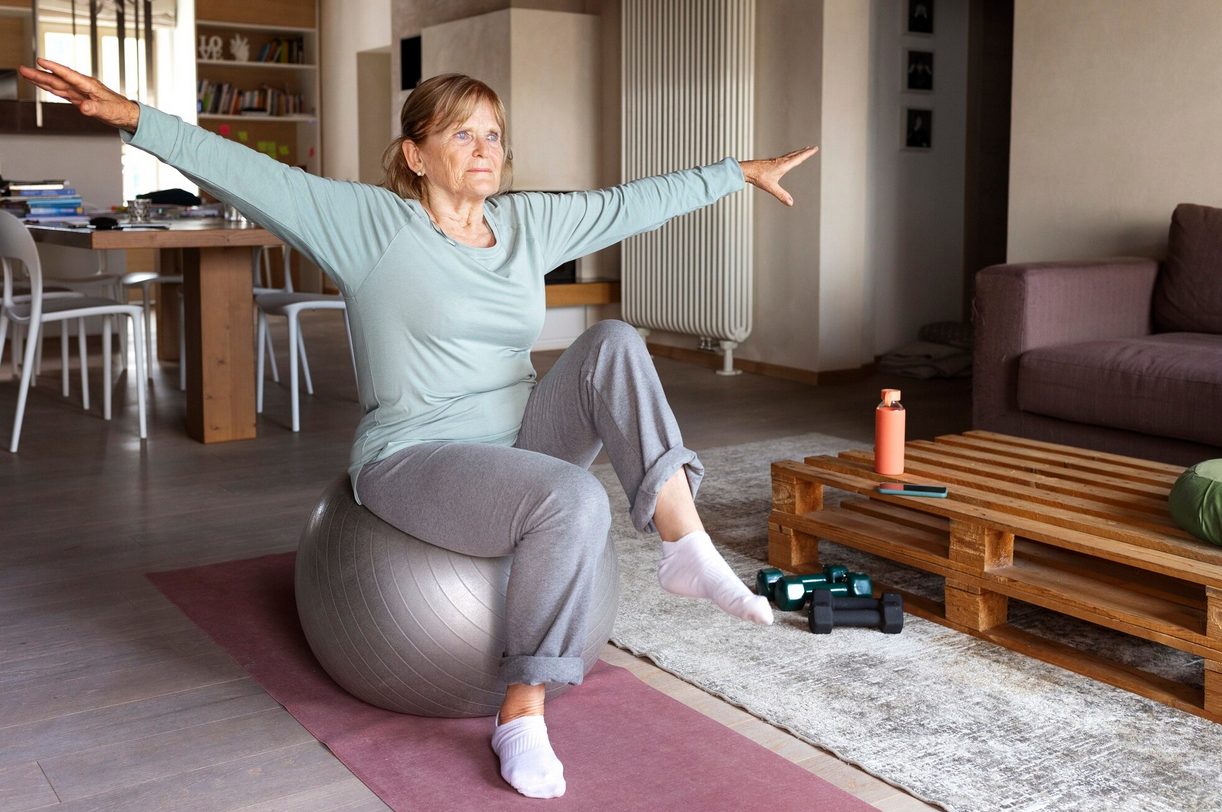
We provide physiotherapy for elderly people at home, with specialist rehabilitation and exercise programmes shaped around daily life, confidence and safety. Our focus is on improving strength, balance and mobility so older adults can stay as independent as possible in their own homes.
Families often contact us after a fall, hospital stay, illness, operation, or a noticeable drop in walking confidence. Whether the goal is getting up from a chair more easily, using the stairs safely, walking outdoors again, or reducing future falls risk, we tailor the plan to the person, the home and the level of support available.
When to seek urgent medical help
Home physiotherapy is not a replacement for urgent medical care. Seek urgent medical advice first if there is chest pain or shortness of breath, sudden or severe swelling, suspected DVT, severe trauma, new or worsening weakness, loss of bladder or bowel control, sudden confusion, facial drooping, speech changes, or other sudden neurological symptoms.
If symptoms are new, severe, rapidly worsening, or you are unsure whether physiotherapy is appropriate, contact NHS 111, your GP, or emergency services before booking.
Who it helps
- Older adults who want to maintain or improve their mobility and independence
- People recovering from illness or hospital stays who need support getting back on their feet
- Those with reduced strength or balance who want to feel safer at home
- Anyone concerned about falls and looking for practical prevention strategies
- Families supporting an older relative who want clear advice, safe exercises, and practical next steps
Common reasons families book elderly home physiotherapy
- Reduced confidence after a fall or near miss
- Weakness after illness, infection, surgery, or a hospital stay
- Difficulty getting out of a chair, using stairs, or walking outdoors
- Arthritis, polymyalgia, joint stiffness, or general deconditioning
- Concerns about walking aids, home safety, or staying independent
What to expect
We start with a thorough assessment of your current mobility, strength, and balance. We'll ask about your goals - whether that's getting up the stairs more easily, walking to the shops, or simply feeling steadier on your feet.
Your exercise programme will be tailored to what you can do now, with gradual progression as you improve. We'll show you exercises you can practice between visits, and we'll adapt them to fit your home environment.
Typical exercises include:
- Sit-to-stand practice (getting up from a chair)
- Balance exercises (standing on one leg, weight shifting)
- Leg strengthening (step-ups, heel raises)
- Walking practice (indoors and outdoors)
- Functional tasks (reaching, bending, turning)
Related home physiotherapy support
Falls prevention
Balance, strength and practical home advice for people worried about falls.
Walking practice
Indoor and outdoor walking practice to rebuild confidence, stamina and safer movement.
Strength and joint support
Progressive strengthening and gentle support for arthritis, stiffness and daily function.
If thigh or leg pain is affecting walking confidence, see our guide to front thigh pain and upper thigh pain in elderly adults. If memory, communication or dementia is part of the picture, our dementia physiotherapy guide explains how home visits can be adapted.
How home visits work
1. Assess
We assess your strength, balance, and mobility in your home environment.
2. Plan
We create a tailored exercise programme that's safe, achievable, and progressive.
3. Support
Regular follow-ups to monitor progress, adjust exercises, and keep you motivated.
Why choose HCPC/CSP registered physiotherapy?
- Specialist knowledge: We understand the unique needs of older adults and how to support safe, effective rehabilitation.
- Evidence-based practice: Our programmes are based on proven techniques for improving strength and balance.
- Personalised care: We work at your pace and adapt to your abilities.
- Home environment: We see how you move in your own space and tailor exercises accordingly.
Frequently asked questions
How often will elderly home physiotherapy appointments be needed?
This depends on your needs. Typically, we start with weekly visits and then space them out as you progress. Some people need ongoing support; others achieve their goals in a few sessions.
Can physiotherapy help if someone is very unsteady on their feet?
That's exactly who we help. We'll start with exercises you can do safely (often sitting or holding onto furniture) and build up gradually.
Can you help with equipment like walking frames?
Yes. We can assess whether you need a walking aid, recommend the right type, and show you how to use it safely.
How much does private physiotherapy for elderly people at home cost?
Prices vary by physiotherapist and area. You can check current home visit prices before booking, and travel fees are confirmed during your enquiry where they apply.
What our patients say
"Just wanted to say a massive thank you for everything you've done for my mum. She was so frightened after her fall but Lizzie has been brilliant. Mum actually looks forward to her visits now!"
"Six weeks ago I couldn't manage the stairs. Now I'm up and down no problem. You've given me my independence back."