Best Exercises for Hip Arthritis: Pain Relief and Improved Mobility
Published
Local Physiotherapist - Lizzie Thornton, Staffordshire Moorlands & Cheshire East
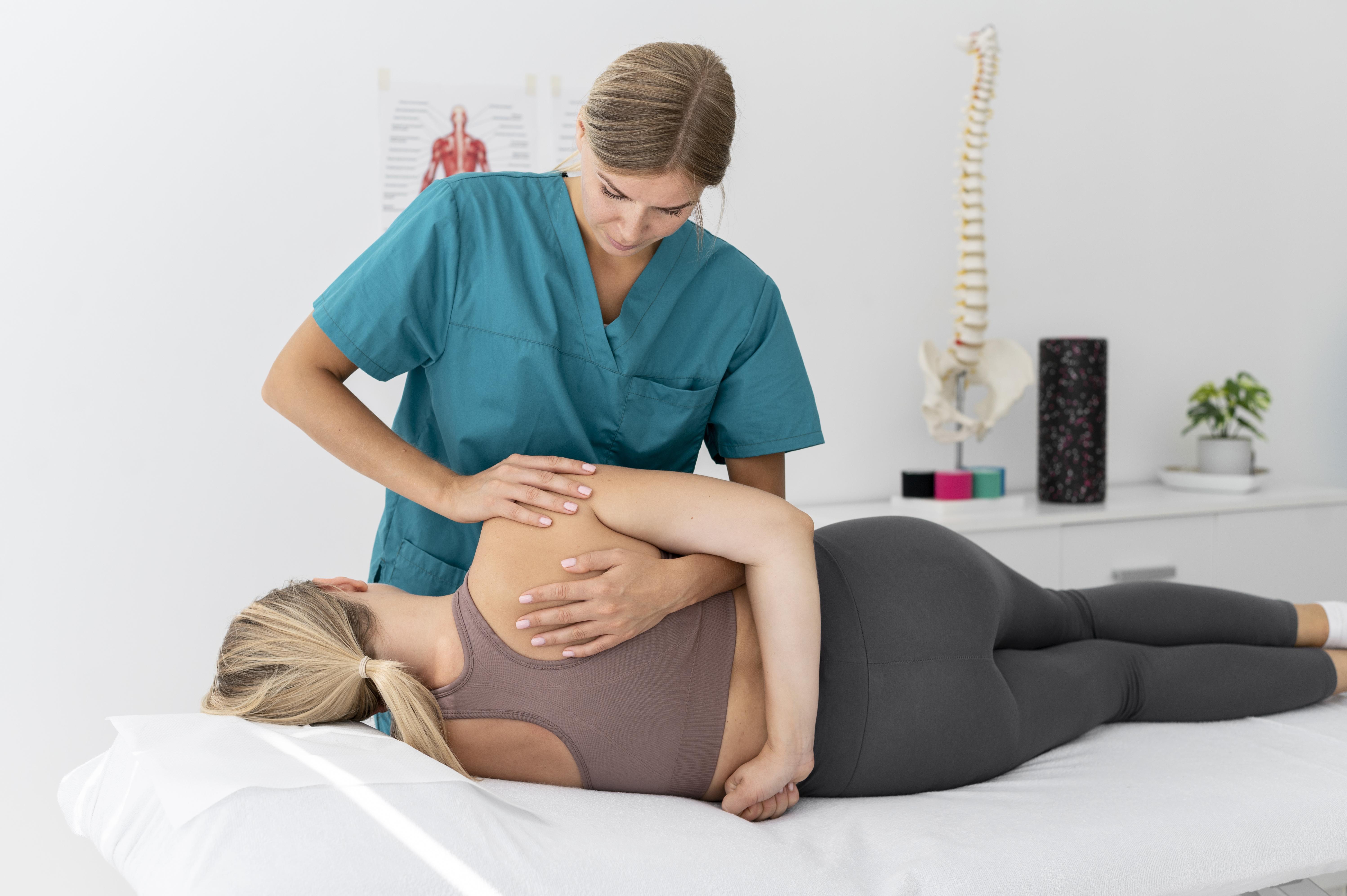
Hip arthritis causes pain, stiffness, and reduced mobility, but exercise is one of the most effective treatments. This guide provides evidence-based exercises specifically designed to reduce hip arthritis pain and improve function.
Why exercise helps hip arthritis
Research consistently shows that exercise:
- Reduces pain by up to 40%
- Improves joint function and mobility
- Strengthens muscles that support the hip
- Maintains joint cartilage health
- Helps with weight management
- Improves quality of life
- May delay or prevent need for surgery
The key is choosing the right exercises and doing them correctly.
Exercise principles for hip arthritis
- Start gently: Begin with easier exercises
- Progress gradually: Increase difficulty slowly
- Be consistent: Regular exercise is more important than intensity
- Expect some discomfort: Mild discomfort during exercise is normal
- Avoid sharp pain: Stop if you experience sharp or severe pain
- Exercise daily: Aim for at least 20-30 minutes most days
Range of motion exercises
These maintain hip flexibility and reduce stiffness.
1. Hip flexion (lying)
Purpose: Maintain hip bending ability
How to do it:
- Lie on your back
- Bend one knee, sliding your foot along the bed
- Bring your knee towards your chest as far as comfortable
- Hold for 5 seconds
- Slowly straighten
- Repeat 10 times each leg
2. Hip abduction (lying)
Purpose: Maintain ability to move leg to the side
How to do it:
- Lie on your back with legs straight
- Keep toes pointing upward
- Slide one leg out to the side
- Bring it back to center
- Repeat 10 times each leg
3. Hip rotation (sitting)
Purpose: Maintain hip rotation
How to do it:
- Sit on a chair with feet flat on floor
- Keeping your foot on the floor, move your knee inward
- Then move it outward
- Repeat 10 times each leg
Strengthening exercises
Strong muscles reduce stress on the hip joint.
4. Gluteal squeezes
Purpose: Strengthen buttock muscles
How to do it:
- Lie on your back or sit
- Squeeze your buttocks together
- Hold for 5 seconds
- Relax
- Repeat 10 times
5. Hip abduction (standing)
Purpose: Strengthen hip muscles
How to do it:
- Stand holding a worktop for support
- Keep your body upright
- Lift your leg out to the side
- Keep your toes pointing forward
- Lower slowly
- Repeat 10 times each leg
Progression: Add ankle weights when this becomes easy.
6. Hip extension (standing)
Purpose: Strengthen buttocks and back of thigh
How to do it:
- Stand holding a worktop
- Keep your leg straight
- Lift your leg backwards
- Do not lean forward
- Lower slowly
- Repeat 10 times each leg
7. Mini squats
Purpose: Strengthen thighs and hips functionally
How to do it:
- Stand holding a worktop, feet hip-width apart
- Bend your knees slightly (about 30 degrees)
- Keep your back straight
- Straighten back up
- Repeat 10 times
Important: Only bend as far as comfortable. Deep squats may aggravate hip arthritis.
8. Sit-to-stand
Purpose: Functional strengthening for daily activities
How to do it:
- Sit on a firm chair
- Shuffle forward to the edge
- Lean slightly forward
- Push through your legs to stand
- Lower back down slowly
- Repeat 10 times
Progression: Use a lower chair or try without using your hands.
Stretching exercises
Gentle stretching reduces stiffness and improves mobility.
9. Hip flexor stretch
Purpose: Stretch front of hip
How to do it:
- Stand in a lunge position
- Back knee slightly bent
- Tuck your pelvis under
- You should feel a stretch in the front of your back hip
- Hold for 30 seconds
- Repeat 3 times each side
10. Hamstring stretch (lying)
Purpose: Stretch back of thigh
How to do it:
- Lie on your back
- Bend one knee with foot flat on bed
- Lift the other leg, keeping it straight
- Hold behind your thigh
- Gently pull towards you
- Hold for 30 seconds
- Repeat 3 times each leg
Low-impact aerobic exercise
Cardiovascular exercise is important for overall health and weight management.
Best options for hip arthritis
- Walking: Start with 10 minutes, build to 30 minutes daily
- Swimming: Excellent non-weight-bearing exercise
- Water aerobics: Buoyancy reduces joint stress
- Cycling: Stationary bike is ideal
- Elliptical trainer: Low-impact alternative to walking
Activities to avoid or modify
- Running (high impact)
- Jumping or high-impact aerobics
- Deep squats or lunges
- Activities involving twisting (tennis, golf) — modify as needed
On days when weight-bearing exercise is too painful, a seated session keeps you moving – see our chair exercises for seniors.
Sample daily exercise routine
Morning routine (10 minutes)
- Hip flexion lying: 10 reps each leg
- Hip abduction lying: 10 reps each leg
- Gluteal squeezes: 10 reps
- Hip rotation sitting: 10 reps each leg
Afternoon/evening routine (15 minutes)
- Hip abduction standing: 10 reps each leg
- Hip extension standing: 10 reps each leg
- Mini squats: 10 reps
- Sit-to-stand: 10 reps
- Hip flexor stretch: 30 seconds each side
- Hamstring stretch: 30 seconds each side
Daily aerobic exercise (20-30 minutes)
- Walking, swimming, or cycling
- At a comfortable pace
- Can be split into shorter sessions
Managing pain during exercise
What is normal
- Mild discomfort during exercise
- Slight increase in pain for up to 2 hours after
- Stiffness that eases with gentle movement
When to stop or modify
- Sharp, severe pain
- Pain that persists for more than 2 hours after exercise
- Increased swelling
- Pain that worsens over several days
Pain management strategies
- Apply heat before exercise (warm shower or heat pack)
- Apply ice after exercise if sore (20 minutes)
- Take pain medication 30-60 minutes before exercise if needed
- Exercise when pain is lowest (often mid-morning)
- Start with fewer repetitions and build up
Progression guidelines
Progress your exercises when:
- Current exercises feel easy
- You can complete all repetitions without excessive pain
- You have been doing current level for 2-3 weeks
Ways to progress
- Increase repetitions (up to 15-20)
- Add resistance (ankle weights, resistance bands)
- Increase duration of aerobic exercise
- Try more challenging variations
When to seek professional help
Consider specialist hip arthritis physiotherapy if:
- You are unsure which exercises are safe
- Pain is not improving with exercise
- You need help with technique
- You want a personalized programme
- You are considering surgery and want to optimize pre-operative fitness
Complementary strategies
Combine exercise with:
- Weight management: Every kilogram lost reduces hip stress
- Pain medication: As prescribed by your GP
- Heat and cold therapy: For symptom relief
- Walking aids: If needed to stay active
- Pacing: Balance activity with rest
Long-term commitment
Exercise for hip arthritis is not a quick fix but a long-term management strategy:
- Benefits build over weeks and months
- Stopping exercise leads to symptom return
- Make it a permanent lifestyle change
- Vary exercises to maintain interest
- Join a class or exercise group for motivation
The bottom line
Exercise is one of the most effective treatments for hip arthritis. The key principles are:
- Include range of motion, strengthening, and aerobic exercise
- Exercise daily or most days
- Start gently and progress gradually
- Some discomfort is normal, sharp pain is not
- Be consistent — regular exercise is key
- Combine with weight management and other strategies
- Seek professional guidance if needed
With the right exercise programme, most people with hip arthritis can reduce pain, improve function, and maintain an active lifestyle.
Need a personalized exercise programme?
Our physiotherapy service provides tailored exercise programmes for hip arthritis, delivered in your home. We ensure correct technique, appropriate progression, and help you manage pain effectively while staying active.

About Lizzie Thornton
Lizzie Thornton is a specialist community physiotherapist with over 15 years of experience managing arthritis and chronic pain conditions. She is HCPC registered and a member of the Chartered Society of Physiotherapy. Lizzie has helped hundreds of people with hip arthritis stay active and manage their symptoms through home physiotherapy visits across Staffordshire Moorlands and Cheshire East.