Osteoporosis: Safe Exercise to Protect Your Bones
Published
Local Physiotherapist - Stephen Hayward, County Durham & Teesside
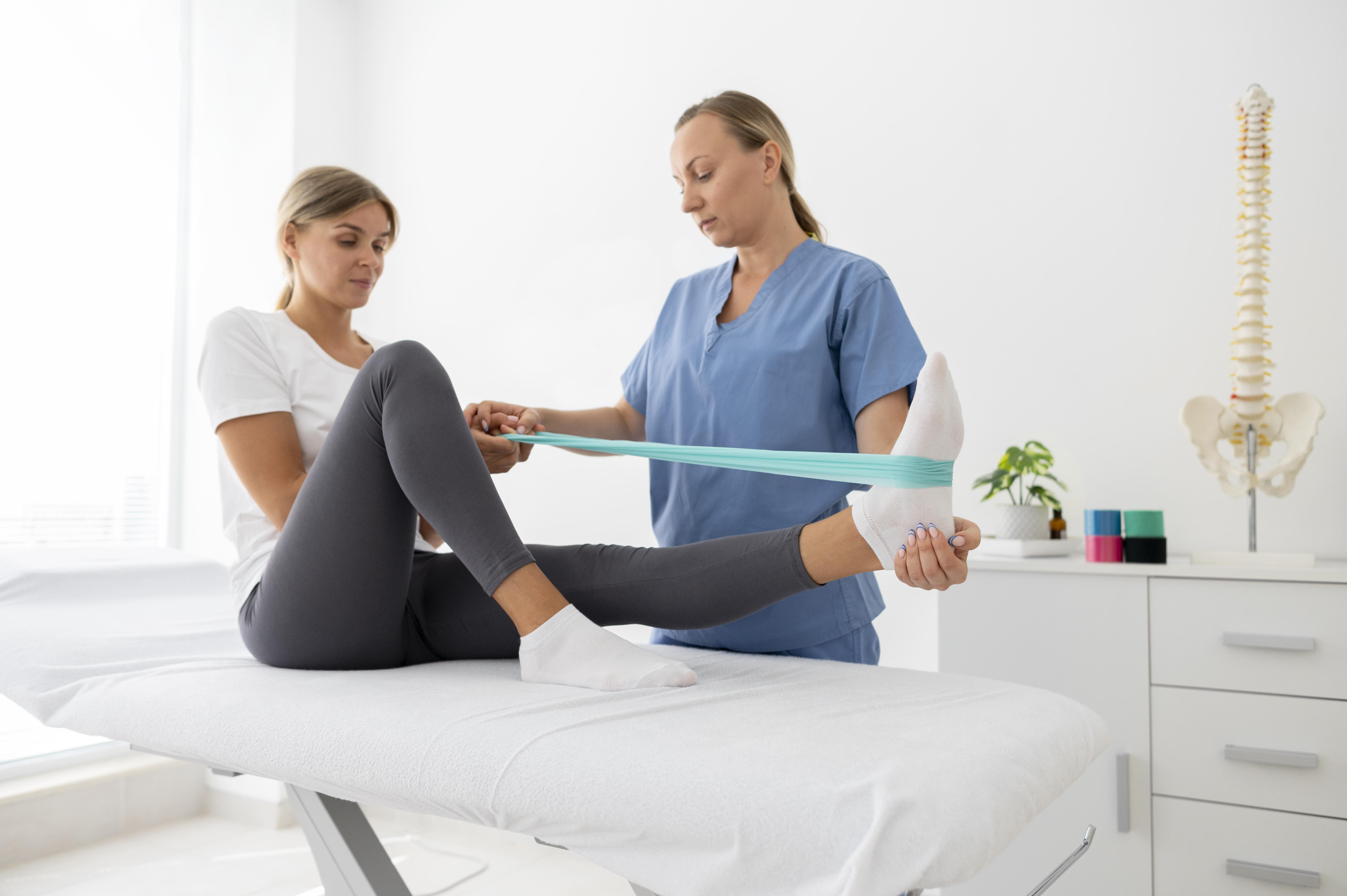
An osteoporosis diagnosis can feel frightening — as if your bones are fragile and the safest option is to stop moving. In reality, the opposite is true. The right kind of exercise is one of the most effective ways to protect your bones, reduce fracture risk and stay independent.
Osteoporosis means "porous bones." Bone density has dropped below a level where bones are more likely to break, particularly in the spine, hips and wrists. It affects around 3 million people in the UK, with women at higher risk after the menopause due to declining oestrogen levels. But men are affected too, and bone loss accelerates in both sexes after 70.
Why exercise matters for osteoporosis
Bone is living tissue that constantly rebuilds itself. It responds to the demands placed on it: when you load your bones through weight-bearing exercise and resistance training, they become denser and stronger. When you are inactive, bone loss accelerates.
Exercise helps in three critical ways:
- Building and maintaining bone density: Weight-bearing and resistance exercises stimulate bone-forming cells, slowing bone loss and in some cases increasing density.
- Building muscle strength: Stronger muscles support and protect your joints and bones, making daily activities easier and reducing the load on fragile bones.
- Improving balance: Better balance means fewer falls — and since falls are the trigger for most osteoporotic fractures, this is arguably the most important benefit.
What types of exercise are best?
Not all exercise is equal when it comes to bone health. Swimming and cycling, for example, are excellent for cardiovascular fitness but do little for bone density because the water or bike supports your body weight. The best exercises for osteoporosis fall into three categories:
1. Weight-bearing aerobic exercise
Activities where you support your own body weight against gravity. These include:
- Brisk walking
- Nordic walking (using poles adds upper body loading and improves balance)
- Dancing
- Stair climbing
- Gardening (digging and carrying are weight-bearing)
Aim for 30 minutes, 5 days a week. You can break this into shorter sessions — three 10-minute walks are just as effective.
2. Resistance training
Working against resistance builds both muscle and bone. You do not need a gym — resistance bands, light dumbbells or even your own body weight work well:
- Sit-to-stand from a chair (builds leg and hip strength)
- Wall push-ups (builds upper body and wrist strength)
- Resistance band rows (strengthen the back muscles that support the spine)
- Standing hip abduction with a band (strengthens hip muscles)
- Bicep curls and shoulder presses with light weights
Aim for 2 to 3 sessions per week, allowing a rest day between. Start with light resistance and build gradually.
3. Balance and flexibility training
Balance exercises are essential for preventing falls. Flexibility helps you move safely and maintain good posture:
- Single leg stands (holding a chair for support)
- Heel-to-toe walking
- Tai chi or gentle yoga (avoid deep forward bending)
- Posture exercises focusing on upper back extension
Practise balance exercises 3 to 4 times per week. Even 5 to 10 minutes a day makes a difference.
Exercises to avoid with osteoporosis
If you have osteoporosis, particularly if it affects your spine, certain movements can increase fracture risk:
Avoid or modify these
- Deep forward bending: Toe touches, sit-ups and crunches place excessive compression on the front of the vertebrae, which can cause wedge fractures.
- Heavy twisting of the spine: Golf swings, tennis serves or twisting stretches can stress weakened vertebrae.
- High-impact activities: Jumping, running on hard surfaces or plyometric exercises may overload fragile bones.
- Exercises that increase fall risk: Activities on unstable surfaces or requiring rapid direction changes should be approached with caution.
Instead of sit-ups, try gentle core activation by drawing your tummy in while standing or lying. Instead of toe touches, try gentle hamstring stretches lying on your back with a towel around your foot.
Spine-safe movement in daily life
Protecting your spine is not just about exercise — it is also about how you move throughout the day. Key habits include:
- Lift with your legs, not your back: Bend your knees and keep your back straight when picking up objects.
- Avoid heavy lifting: Carry lighter loads and make multiple trips rather than one heavy one.
- Support your posture: Sit upright with back support. Avoid slumping for long periods.
- Use a pillow for sleeping: A pillow under your knees when lying on your back, or between your knees when on your side, can reduce spinal stress.
- Cough with support: If you have a cough, gently support your chest with your hands to reduce spinal strain.
Osteoporosis and the menopause connection
For women, the menopause is a critical time for bone health. The drop in oestrogen accelerates bone loss, particularly in the first 5 to 10 years after menopause. This is why exercise becomes even more important during and after this transition.
Weight-bearing exercise, resistance training and menopause-appropriate exercise can help slow bone loss, manage weight, improve mood and maintain muscle mass. If you have been diagnosed with osteopenia (lower than normal bone density that has not yet reached osteoporosis), exercise is equally important to prevent progression.
How a physiotherapist can help
Exercise with osteoporosis is not one-size-fits-all. The right programme depends on your bone density scores, fracture history, fitness level and any other health conditions. A physiotherapist can:
- Assess your strength, balance and posture
- Design a safe, personalised exercise programme based on your fracture risk
- Teach spine-safe movement patterns for daily activities
- Progress your exercises safely as you get stronger
- Address balance issues to reduce fall risk
- Advise on home safety modifications
For people with more advanced osteoporosis or those recovering from a fracture, home physiotherapy is particularly valuable because exercises can be tailored to your home environment and current abilities.
Getting started safely
If you have been inactive or have a recent diagnosis, start gradually:
- Check with your GP before starting a new exercise programme, especially if you have had fractures or other health conditions
- Start with walking and simple balance exercises
- Add resistance exercises gradually, beginning with light bands or body weight
- Aim for consistency rather than intensity — a little every day is better than a lot once a week
- Stop and seek advice if you experience sharp pain, particularly in the back
The bigger picture: nutrition and lifestyle
Exercise is one pillar of bone health. The others include:
- Calcium: Aim for 700 to 1,200 mg per day from dairy, leafy greens, fortified foods or supplements if advised.
- Vitamin D: Essential for calcium absorption. Most adults in the UK benefit from a supplement, especially in winter.
- Protein: Adequate protein supports muscle and bone maintenance.
- Not smoking: Smoking accelerates bone loss.
- Limiting alcohol: Excess alcohol interferes with bone formation.
Frequently asked questions
Is exercise safe if I have osteoporosis?
Yes, exercise is not only safe but recommended for osteoporosis. Weight-bearing and resistance exercises help maintain bone density, while balance training reduces fall risk. The key is choosing the right types of exercise and avoiding movements that place excessive forward bending or twisting on the spine.
What exercises should I avoid with osteoporosis?
Avoid exercises that involve deep forward bending of the spine (such as toe touches or sit-ups), heavy twisting movements, high-impact activities like jumping, and exercises that increase fall risk. If you have spinal osteoporosis, your physiotherapist can advise on specific modifications.
Can physiotherapy help with osteoporosis?
Yes. A physiotherapist can assess your bone density risk, design a safe exercise programme that builds bone and muscle strength, improve your balance to reduce fall risk, and teach you safe ways to move and lift in daily life to protect your spine.
Want a safe exercise programme for osteoporosis?
Our physiotherapists can create a personalised, bone-safe exercise plan that builds strength, improves balance and protects your spine — all in the comfort of your home. Find a physio near you, or explore our falls prevention and strengthening programmes.

About Stephen Hayward
Stephen Hayward is an HCPC registered physiotherapist providing home visits across County Durham and Teesside. His background combines musculoskeletal rehabilitation, falls prevention, elderly rehabilitation and post-operative recovery. Stephen is a CSP member and provides home physiotherapy visits across County Durham and Teesside.