Falls Prevention at Home in Northamptonshire
Published · 10 min read
Local Physiotherapist — Vidhi Sharma, Northamptonshire
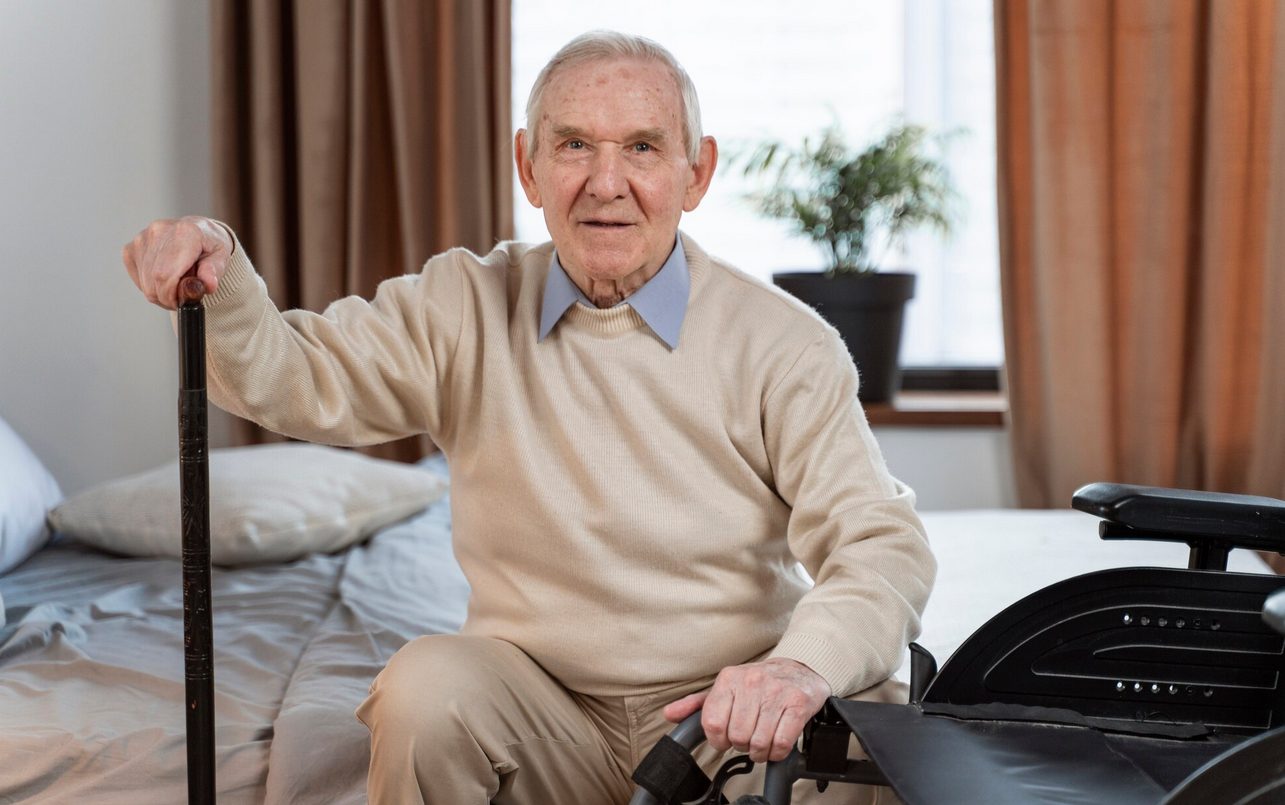
How home physiotherapy can reduce falls risk in Northamptonshire through strength, balance, walking aid review, confidence building and practical home advice.
Falls usually have more than one cause
A fall can look like a single accident, but the reasons behind it are often mixed: reduced leg strength, slower balance reactions, medication changes, pain, poor sleep, fear, vision problems, footwear, cluttered routes, unsuitable walking aids or rushing to the toilet. Home physiotherapy helps identify which factors can be changed and which need medical review.
Why assessment at home matters
The home environment often explains the risk. A person may be safe in a clinic but unsteady on their own stairs, hallway turn, shower threshold, favourite chair or garden step. Assessment at home lets the plan focus on the places where falls or near misses actually happen.
What a physiotherapist checks
A falls assessment may include sit-to-stand ability, lower limb strength, walking speed, turning, balance reactions, use of a stick or frame, stairs, confidence, fatigue, pain, footwear and the routes used most often. It can also include advice on whether a GP, pharmacist, optician or occupational therapist review would be useful.
Exercises that reduce risk
Falls prevention programmes usually combine progressive strengthening and balance challenge. That can include repeated sit-to-stands, heel raises, supported stepping, tandem stance, turning practice, weight shifting, stair-related strength and graded walking. The level needs to be hard enough to work, but safe enough to practise consistently.
Confidence is part of the treatment
After a fall, many people understandably move less. That reduces strength and balance, making another fall more likely. A good plan builds confidence through safe repetition: getting out of a chair, walking to the kitchen, turning, stepping outside, using the stairs and gradually returning to meaningful routines.
Walking aids and safer routines
A stick or frame can help, but only if it is the right height and used correctly. Physiotherapy can review walking aid technique, route planning, pacing, footwear, lighting, rugs, loose cables and the habits that increase risk, such as carrying too much while walking or rushing when tired.
Northamptonshire coverage
Falls prevention home visits are available across Northampton, Kettering, Corby, Wellingborough, Rushden, Daventry, Brackley, Towcester and surrounding towns. Family members can join the appointment if that helps with practice and confidence between visits.
When a fall needs medical attention
Seek urgent medical advice after a fall if there is head injury, new confusion, suspected fracture, severe pain, chest pain, breathlessness, new weakness, loss of consciousness or inability to get up. Physiotherapy can help reduce future risk, but urgent symptoms need urgent medical care first.
Related services
Local area links
- Northamptonshire home physiotherapy
- Northampton, Kettering, Corby, Wellingborough, Rushden, Daventry, Brackley, Towcester
Frequently asked questions
Can physiotherapy stop all falls?
No service can guarantee that, but targeted strength, balance, walking practice and home advice can reduce modifiable risk and improve confidence.
Is it worth starting after several falls?
Yes. Repeated falls are a strong reason to have a proper assessment and a progressive plan.
Can the appointment include walking aid advice?
Yes. Walking sticks, frames and technique can be reviewed as part of the assessment.

About Vidhi Sharma
Vidhi Sharma is an HCPC registered specialist neurological physiotherapist with over 15 years' experience, providing home-visit physiotherapy across Northamptonshire. She specialises in neurological, stroke and brain injury rehabilitation, falls prevention, elderly rehabilitation and post-operative recovery, and also treats patients in care and nursing homes.
Read Vidhi's profile or contact her on 07706 000 579.
Please mention Mobile Physiotherapist.co.uk when you call.