Prehab: Exercises to Do Before a Hip or Knee Replacement
Published
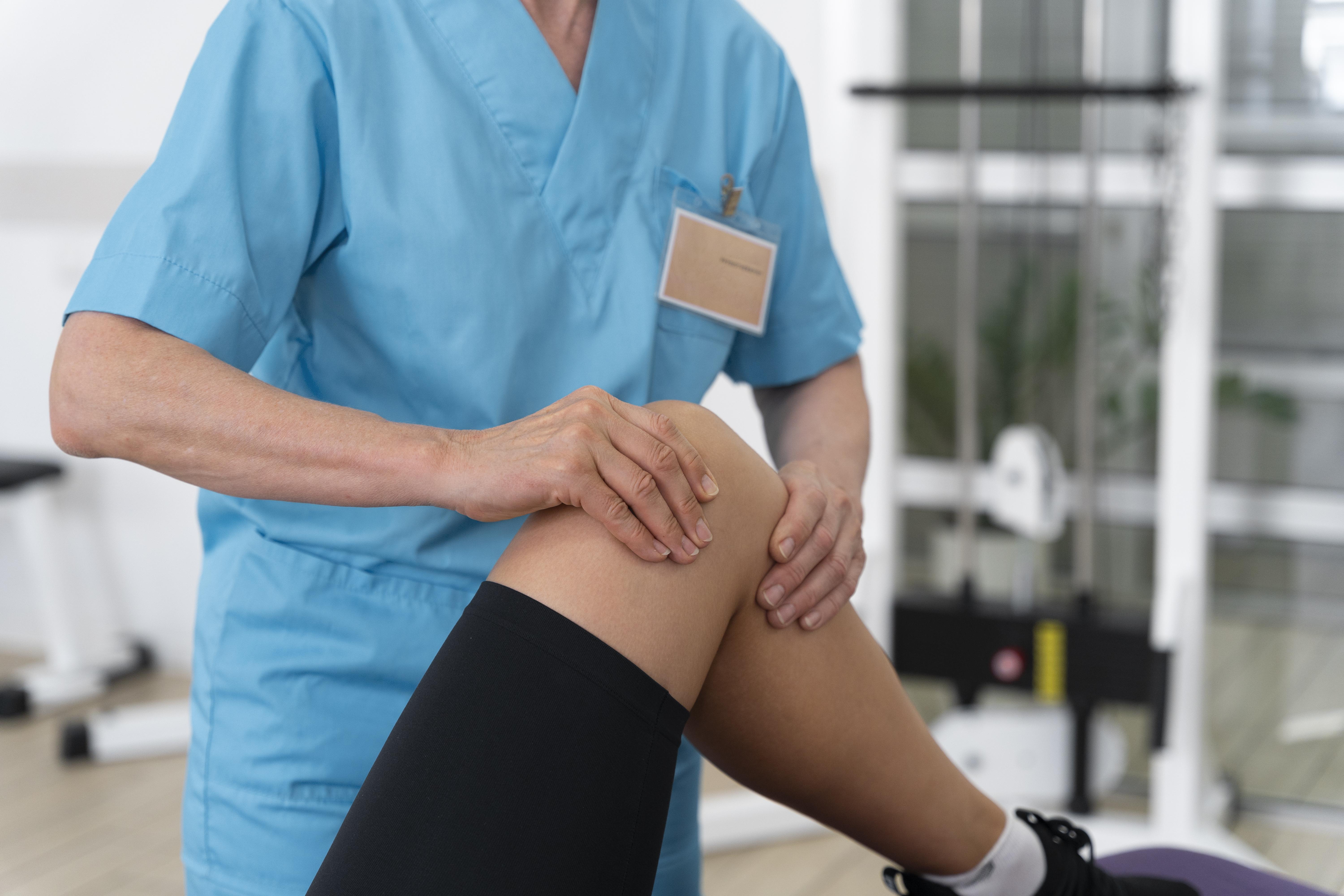
If you are waiting for a joint replacement, the weeks before surgery are not just for resting. Research shows that targeted exercise beforehand — known as prehabilitation — can improve your surgical outcome, speed up recovery, and help you return to daily activities sooner.
Most people focus on rehabilitation after surgery, but the condition you are in before the operation matters just as much. Stronger muscles, better range of motion and good general fitness give your body a head start on healing. Think of it as building a strong foundation so that recovery starts from a higher baseline.
Why prehab works
When a joint is arthritic and painful, the muscles around it naturally weaken. You move less to avoid pain, which leads to more weakness, stiffness and deconditioning. By the time surgery arrives, you may have lost significant muscle mass and cardiovascular fitness — meaning recovery has to rebuild what was lost before you even start.
Prehab breaks this cycle. Studies show that patients who complete a prehab programme before hip or knee replacement tend to:
- Walk further and more comfortably in the first weeks after surgery
- Have shorter hospital stays
- Need less pain medication
- Achieve their rehabilitation milestones sooner
- Have better long-term function and satisfaction
The evidence is strongest for patients who start at least 4 to 6 weeks before surgery, but even a few weeks of targeted exercise can help.
What a prehab programme includes
A comprehensive prehab programme addresses four key areas:
1. Leg strength
The quadriceps, hamstrings, glutes and calf muscles all support the affected joint. Strengthening these muscles before surgery means they are better able to stabilise the new joint and absorb the demands of walking and stairs afterwards.
2. Range of motion
Stiff joints are harder to mobilise after surgery. Gentle stretching and mobility exercises before the operation can preserve or improve range of motion, making post-operative rehabilitation smoother.
3. Upper body strength
After surgery, you will rely on your arms to use crutches, a walker, or push up from chairs and beds. Strong arms and shoulders make the early recovery period much easier.
4. Cardiovascular fitness
Better heart and lung fitness means your body copes better with the demands of surgery and healing. Gentle aerobic exercise such as stationary cycling, swimming or walking can improve stamina.
Key prehab exercises for hip replacement
These exercises build the muscles around the hip while respecting the joint's current limitations. Always check with your surgeon or physiotherapist before starting.
1. Glute squeezes
Lie on your back with your knees bent. Squeeze your buttock muscles together and hold for 5 seconds. Relax and repeat 15 times. This strengthens the gluteal muscles that stabilise the hip.
2. Heel slides
Lie on your back. Slowly slide one heel towards your buttock, bending the knee as far as comfortable. Slowly straighten back down. Repeat 10 times on each leg. This maintains hip and knee mobility.
3. Standing hip abduction
Stand holding a chair for support. Keeping your trunk upright, lift one leg out to the side. Lower slowly. Repeat 10 times on each side. This strengthens the muscles on the outside of the hip that are crucial for walking stability.
4. Seated leg raises
Sit in a chair with your knees bent. Straighten one knee to lift your foot, hold for 3 seconds, and lower slowly. Repeat 10 times on each leg. This builds the quadriceps muscles.
5. Ankle pumps
Lie down or sit with legs extended. Point your toes down, then pull them up towards your shins. Repeat 20 times. This improves circulation and helps prevent blood clots after surgery.
Key prehab exercises for knee replacement
For knee replacement, the focus is on quadriceps strength and knee straightening (extension), as these are the most challenging to regain after surgery.
1. Quad sets
Sit on the floor with your legs straight. Press the back of your knee down into the floor, tightening the muscle on the front of your thigh. Hold for 5 seconds and relax. Repeat 15 times. This is one of the most important exercises for knee prehab and post-op recovery.
2. Straight leg raises
Lie on your back with one knee bent. Keeping the other leg straight, lift it to the level of the bent knee. Hold for 2 seconds and lower slowly. Repeat 10 times on each leg. This builds quadriceps strength without bending the knee.
3. Heel props
Sit on the floor with legs straight. Place a rolled towel under your ankle on the affected side, letting the knee straighten fully under gravity. Relax and let the knee settle for 2 to 3 minutes. This improves knee extension, which is critical for normal walking.
4. Mini squats
Stand holding a chair for support. Slowly bend both knees slightly (no more than 30 degrees), keeping your back straight. Return to standing. Repeat 10 times. This builds functional leg strength.
5. Stationary cycling
If you have access to a stationary bike, cycling with low resistance for 10 to 15 minutes a day is excellent for knee mobility and cardiovascular fitness. Adjust the seat so your knee is slightly bent at the bottom of the pedal stroke.
Practising daily tasks before surgery
Prehab is not just about exercise. It also involves preparing your home and practising the tasks you will need to do after surgery:
- Practice using crutches or a walker: Your physiotherapist can teach you before surgery so it feels familiar afterwards.
- Practice stair technique: Learn the "up with the good, down with the bad" rule for stairs.
- Practice getting in and out of bed: Using your arms to push up, keeping your surgical leg straight.
- Prepare your home: Remove rugs, install grab rails, raise chair and bed height, and place frequently used items at waist level.
- Arrange support: Plan for help with shopping, cooking and driving in the first few weeks.
When to start and how often
Ideally, start your prehab programme 6 to 8 weeks before surgery. If your surgery date is sooner, start now — even 2 to 3 weeks can help.
A typical routine takes 20 to 30 minutes and should be done once or twice daily. Consistency matters more than intensity. The exercises should feel challenging but not cause sharp or worsening pain. Muscle ache is normal; joint pain that lasts more than an hour after exercise means you should reduce the intensity.
How a physiotherapist can help
A physiotherapist can design a prehab programme tailored to your specific joint, fitness level and surgical timeline. This includes:
- A thorough assessment of your strength, range of motion and walking pattern
- A personalised exercise programme that is safe for your stage of arthritis
- Guidance on crutches, walking aids and home preparation
- Education about what to expect after surgery
- A head start on the exercises you will do post-operatively, so they are already familiar
Home physiotherapy is particularly useful for prehab because the exercises can be taught and practised in your own environment, using the furniture and layout you will navigate during recovery.
Frequently asked questions
How long before surgery should I start prehab exercises?
Ideally, start prehab 6 to 8 weeks before your joint replacement surgery. Even 3 to 4 weeks can make a difference. The goal is to build strength and range of motion so that your body is in the best possible condition for surgery and recovery.
Can prehab reduce my recovery time after joint replacement?
Research suggests that patients who complete prehab programmes tend to recover faster, have shorter hospital stays, and achieve better mobility in the first weeks after surgery. Building leg strength and upper body strength beforehand means you start rehabilitation from a higher baseline.
What exercises should I avoid before hip or knee replacement?
Avoid high-impact activities such as running, jumping or contact sports. For hip replacement, avoid extreme twisting or crossing the legs. For knee replacement, avoid deep squats that cause sharp pain. Always follow your surgeon's specific pre-operative guidance and stop any exercise that causes sharp or worsening pain.
Waiting for joint replacement surgery?
Our physiotherapists can create a personalised prehab programme to help you go into surgery stronger and recover faster. Find a physio near you to arrange a home visit, or learn about our hip and knee replacement rehabilitation programme.

About Mobile Physiotherapist
Mobile Physiotherapist is a network of HCPC registered physiotherapists who treat people in their own homes. No GP referral is needed before treatment can start.