Home Physiotherapy in Teesside: Mobile Rehab Across the Area
Published · 10 min read
Local Physiotherapist — Stephen Hayward, County Durham & Teesside

Mobile physiotherapy across Teesside brings assessment, treatment planning and rehabilitation into the place where everyday movement actually happens.
What mobile physiotherapy means
Mobile physiotherapy means the assessment happens at home, not in a clinic. That can be useful when the key problems are walking around the house, stairs, getting outside, returning to work, managing pain during daily tasks or building confidence after surgery or injury.
Problems commonly seen at home
People often book because of back pain, neck pain, sports injuries, joint pain, post-operative recovery, reduced balance, walking difficulties, weakness after illness or work-related musculoskeletal problems. The appointment can look at both the body problem and the practical barriers around it.
How the first session works
The first session reviews the history, goals, current ability and any relevant medical advice. It may include movement testing, strength checks, balance work, walking observation, stairs or functional practice. The output should be a plan that is simple enough to follow and specific enough to make progress.
Teesside coverage
Home visits can support people in Middlesbrough, Stockton-on-Tees, Redcar, Billingham, Thornaby, Yarm, Ingleby Barwick, Guisborough, Saltburn and nearby areas. Travel and appointment availability are confirmed before booking.
Why local context matters
Teesside includes busy towns, coastal areas and homes with very different layouts. Rehab needs to fit the environment: stairs, steps, uneven paths, parking distance, work routines and the kind of walking or activity the person wants to return to.
Progression between visits
Progression may involve changing exercises, increasing walking distance, adding strength work, practising stairs, reviewing technique or setting return-to-work and return-to-sport steps. The plan should be adjusted as pain, confidence and function change.
When physiotherapy is not the first step
If symptoms suggest an urgent medical issue, physiotherapy is not the first step. Severe breathlessness, chest pain, stroke symptoms, sudden severe weakness, infection signs, unexplained calf swelling or a significant fall need urgent medical advice.
Preparing for an appointment
Have hospital letters, scan reports, medication lists, walking aids, exercise sheets and any consultant instructions available. A clear list of the top two or three goals helps the visit stay focused.
How follow-up sessions are used
Follow-up sessions are used to check what has changed, progress exercises, refine walking or work tasks and make the plan more specific. The aim is not to create dependency on appointments, but to give the person a clear route from current ability toward the activities that matter most.
Related services
- Community home physiotherapy
- MSK and sports injury
- Post-operative rehabilitation
- Back and neck programmes
Local area links
Frequently asked questions
Can treatment happen in a small home?
Yes. A home programme can be adapted to the space available, using chairs, stairs, doorways or a short walking route where safe.
Can you help after discharge from hospital?
Often yes, provided the person is medically stable and home physiotherapy is suitable for their stage of recovery.
Will I get exercises?
Usually yes. Exercises are chosen to match the assessment findings and the activities the person wants to improve.
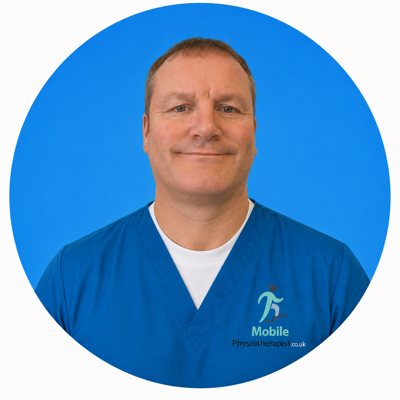
About Stephen Hayward
Stephen Hayward is the local HCPC registered physiotherapist for these County Durham and Teesside home visit services. His experience includes musculoskeletal rehabilitation, professional sport, occupational health, post-operative recovery and return-to-work rehabilitation.