Walking Aid and Mobility Assessments at Home in Northamptonshire
Published · 8 min read
Local Physiotherapist — Vidhi Sharma, Northamptonshire
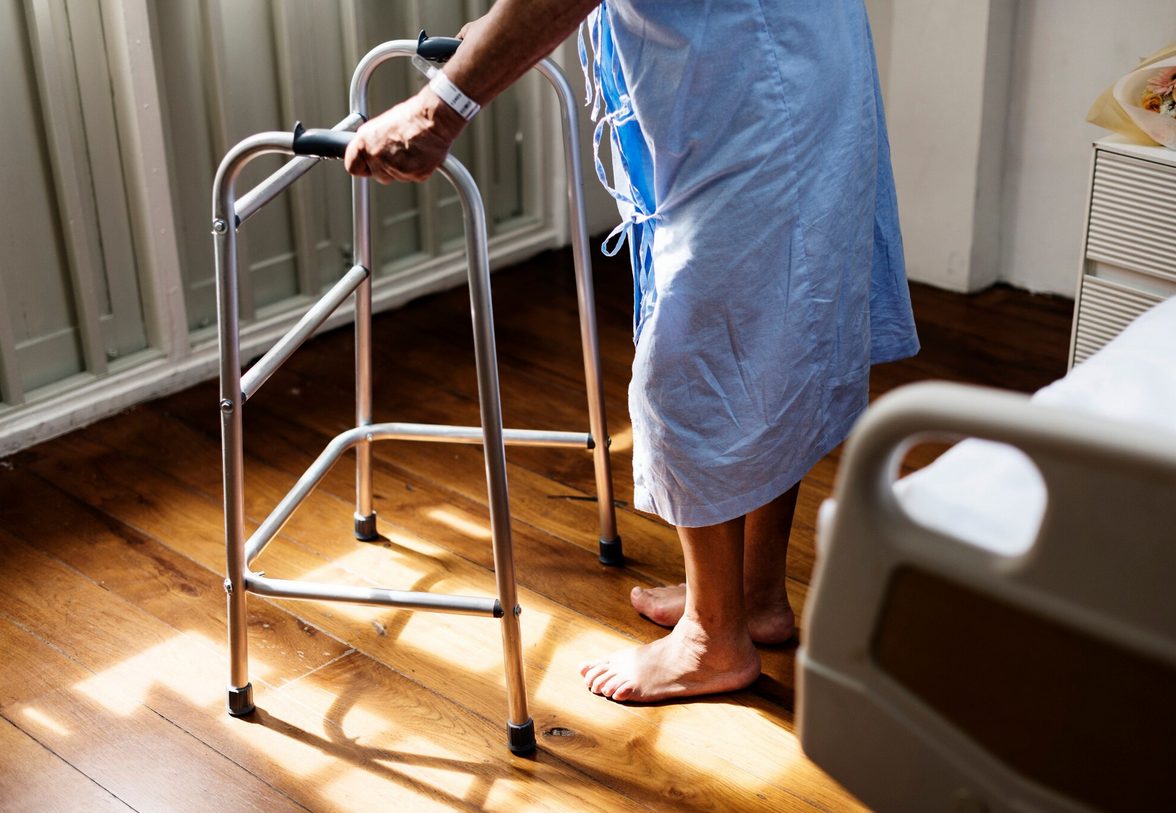
When a stick, frame or rollator does not feel right, a home physiotherapy assessment can check safety, fit, confidence and walking technique.
Why walking aids need checking in real life
A walking stick or frame can help, but only if it matches the person's strength, balance, confidence and home layout. Aids that are the wrong height, used on the wrong side, or awkward around furniture can create new risks. A home assessment shows how the aid works on the actual routes that matter.
What our physiotherapy team assesses
Your physiotherapist looks at walking pattern, turning, standing from a chair, reaching, doorways, bathroom access, steps, fatigue and confidence. He can also check whether the person is over-relying on the aid or using it in a way that makes balance harder.
Mobility is more than equipment
Sometimes the answer is not a different frame. The bigger need may be leg strengthening, balance reactions, practice with sit-to-stand, pacing, footwear advice or confidence after a near miss. The walking aid is only one part of the plan.
When this is especially useful
A mobility assessment can help after a fall, after hospital discharge, when walking has become slower, when family are worried about safety, or when a person has started avoiding rooms, stairs or outdoor walking because they do not trust their balance.
Internal links for local pathways
For local support see Northamptonshire home physiotherapy, falls prevention in Rushden, elderly rehabilitation in Corby and falls prevention services. For a general guide, see choosing the right walking aid.
Frequently asked questions
Can our physiotherapy team prescribe equipment?
He can advise on suitability and safe use. If specialist equipment or formal provision is needed, he can suggest appropriate NHS, GP or local authority routes.
Can family join the assessment?
Yes. Family or carers can be included, especially if they help with walking practice or transfers between visits.
Is a mobility assessment only for older adults?
No. It can also help after surgery, neurological illness, respiratory illness or any period of reduced confidence.

About Vidhi Sharma
Vidhi Sharma is an HCPC registered specialist neurological physiotherapist with over 15 years' experience, providing home-visit physiotherapy across Northamptonshire. She specialises in neurological, stroke and brain injury rehabilitation, falls prevention, elderly rehabilitation and post-operative recovery, and also treats patients in care and nursing homes.
Read Vidhi's profile or contact her on 07858 700 126.
Please mention Mobile Physiotherapist.co.uk when you call.