Walking Practice After Stroke at Home in Cambridgeshire
Published · 8 min read
Local Physiotherapist — Avais Kawos, Cambridgeshire
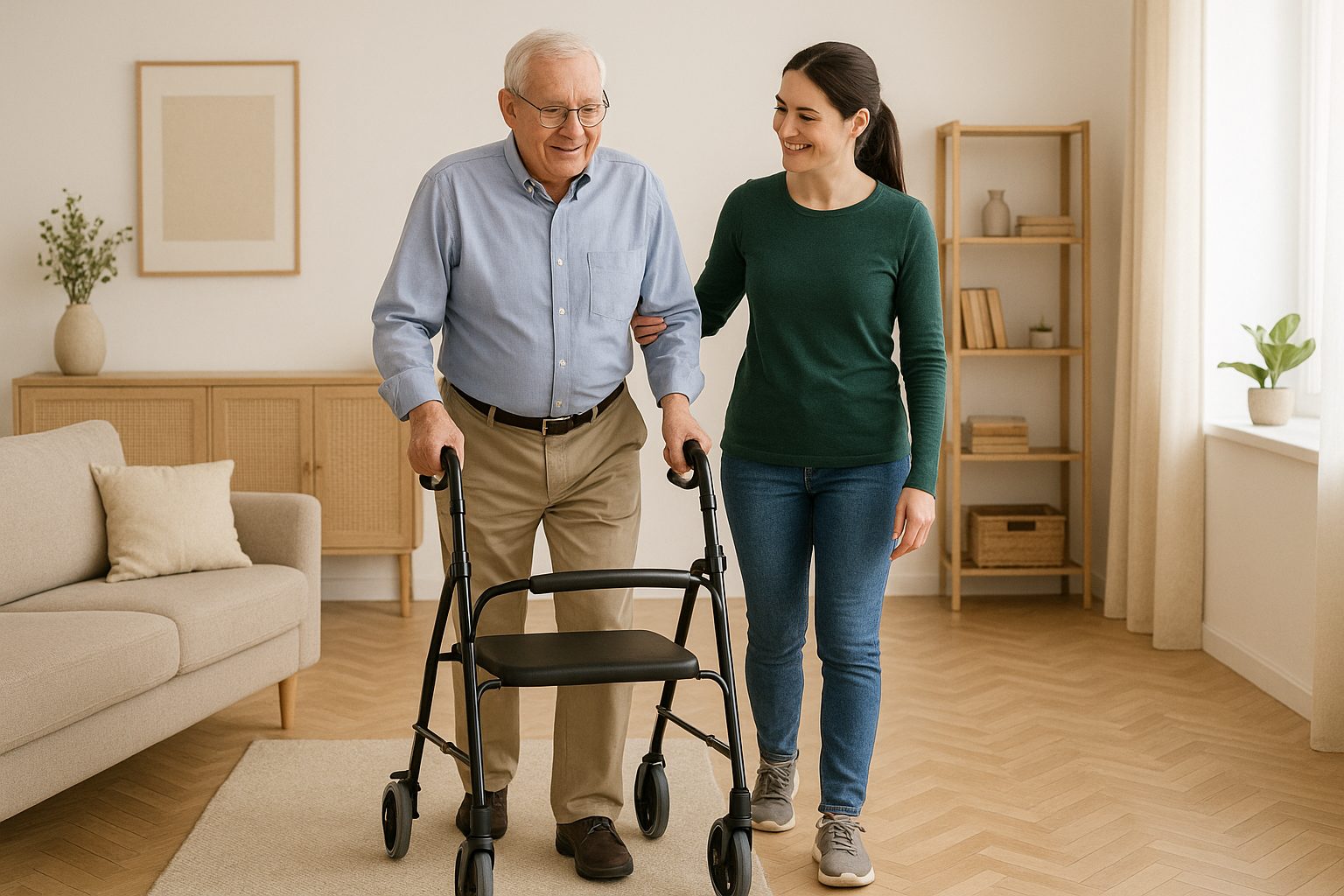
A focused guide to walking practice after stroke at home in Cambridgeshire, supporting the broader neurological rehabilitation pathway.
Why walking practice needs context
After stroke, walking is not just about leg strength. It involves balance, timing, confidence, fatigue, attention, turning, stairs, outdoor surfaces and the ability to recover from small losses of balance. Home physiotherapy lets walking practice happen where those challenges actually occur.
How this article supports the wider neuro guide
The existing Cambridgeshire stroke and neurological rehabilitation guide covers the broader pathway. This article narrows the focus to walking practice, gait confidence and functional mobility at home.
What Avais may assess
Avais can look at sit-to-stand, stepping, turning, walking aid use, stairs, affected-side loading, fatigue, balance reactions and confidence. He may also advise family or carers on how to support practice safely between visits.
What treatment can include
Treatment may include task-specific stepping, repeated sit-to-stand, supported walking, turning practice, stairs, graded outdoor walking, strengthening and pacing. The aim is not perfect walking in isolation, but safer, more useful walking for daily life.
Local links
Useful pages include neurological rehabilitation in Cambridge, Peterborough, Ely, Huntingdon and neurological rehabilitation services.
Frequently asked questions
Can walking improve months after a stroke?
Many people can still improve with specific, repeated practice. The right goals depend on the stroke, current ability and safety.
Is this only for people who can already walk?
No. Earlier goals may include standing, transfers, stepping practice or confidence with supported movement.
Can family help with exercises?
Often yes, if the task is safe and clearly taught. The plan should be simple enough to practise consistently.
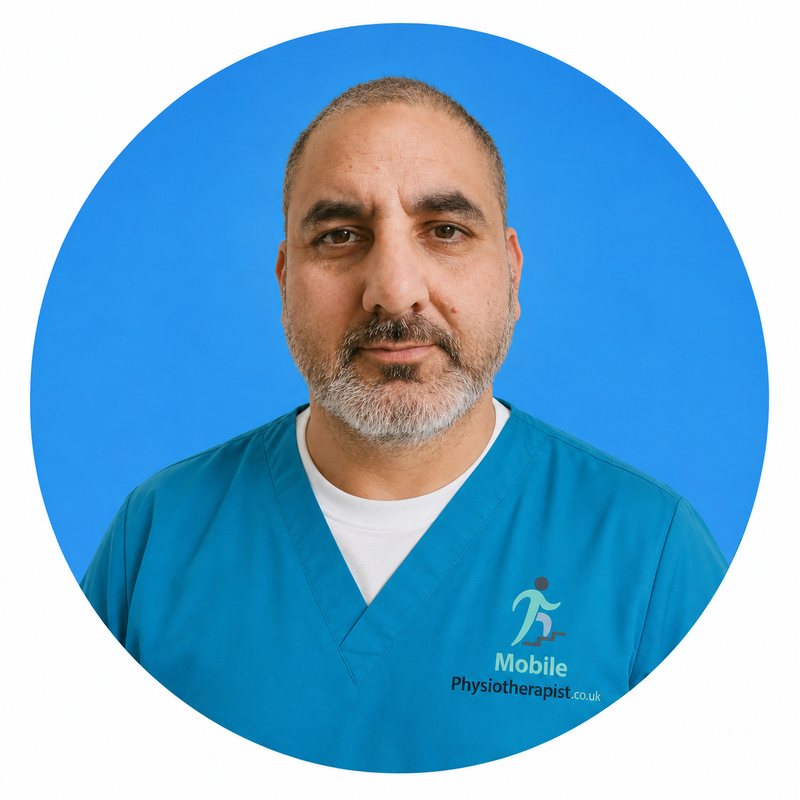
About Avais Kawos
Avais Kawos is an HCPC registered physiotherapist with NHS community, intermediate care, stroke, musculoskeletal and respiratory rehabilitation experience. He provides private home physiotherapy across Northamptonshire and Cambridgeshire.