Physiotherapy vs Osteopathy vs Chiropractor: What's the Difference?
Published
Local Physiotherapist - Parth Chauhan, West Yorkshire

If you have back pain, neck pain or a sports injury, you may be wondering whether to see a physiotherapist, an osteopath or a chiropractor. All three treat musculoskeletal pain, but their training, philosophy and treatment approaches are quite different. Here is a clear guide to help you choose.
These three professions are often grouped together, and there is overlap in what they do. But understanding the differences can help you make the right choice for your specific needs — particularly if you are dealing with rehabilitation, recovery after surgery, or ongoing mobility problems.
The short version
Physiotherapist
- HCPC registered
- University degree (3+ years)
- Focus: movement, function, rehabilitation
- Methods: exercise, manual therapy, education, electrotherapy
- Best for: post-surgery, injury rehab, falls, neurological conditions, elderly care
Osteopath
- GOsC registered
- University degree (4-5 years)
- Focus: whole-body manual therapy, structure-function relationship
- Methods: hands-on manipulation, massage, stretching
- Best for: general musculoskeletal pain, tension, postural issues
Chiropractor
- GCC registered
- University degree (4-5 years)
- Focus: spinal alignment and nervous system
- Methods: spinal manipulation (adjustments), sometimes X-rays
- Best for: back pain, neck pain, spinal alignment issues
Key difference
Physiotherapists emphasise exercise and rehabilitation. Osteopaths emphasise hands-on whole-body treatment. Chiropractors emphasise spinal adjustments. All three are statutorily regulated in the UK.
Physiotherapy: the rehabilitation specialist
Physiotherapy is a science-based healthcare profession focused on restoring movement and function after injury, illness, surgery or disability. Physiotherapists are trained to work across a wide range of conditions — not just backs and necks, but also neurological conditions (stroke, Parkinson's), respiratory conditions, post-surgical rehabilitation, falls prevention, elderly rehabilitation and sports injuries.
Key characteristics:
- Assessment: Detailed movement analysis, strength testing, balance assessment and functional evaluation
- Treatment: A combination of exercise prescription, manual therapy (hands-on techniques), education, posture advice, and modalities such as ultrasound or taping
- Philosophy: Empowering the patient through self-management — you learn exercises and strategies to manage your condition independently
- Scope: The broadest of the three, covering neurological, respiratory, orthopaedic, geriatric and sports physiotherapy
- Setting: Hospitals, clinics, community settings and home visits
Physiotherapists are registered with the HCPC and typically hold a 3-year BSc degree, with many pursuing advanced master's degrees and specialisations.
Osteopathy: the whole-body manual therapist
Osteopathy is based on the principle that the body's structure (bones, muscles, joints) and function are interrelated. Osteopaths believe that the body has an innate ability to heal itself, and that manual therapy can facilitate this process.
Key characteristics:
- Assessment: Whole-body assessment looking at posture, movement patterns and how different body regions interact
- Treatment: Predominantly hands-on — soft tissue massage, joint mobilisation, stretching and sometimes spinal manipulation ("cracking")
- Philosophy: Holistic — treating the whole person, not just the symptom. May include lifestyle and dietary advice.
- Scope: Primarily musculoskeletal pain — back pain, neck pain, joint pain, headaches, sports injuries
- Setting: Private clinics. Home visits are less common.
Osteopaths are registered with the General Osteopathic Council (GOsC) and complete a 4 to 5-year degree.
Chiropractic: the spinal specialist
Chiropractic focuses primarily on the diagnosis, treatment and prevention of mechanical disorders of the musculoskeletal system, particularly the spine. Chiropractors believe that spinal alignment affects the nervous system and overall health.
Key characteristics:
- Assessment: Spinal examination, posture analysis, and sometimes X-rays or MRI
- Treatment: Spinal manipulation (called "adjustments") — quick, controlled thrusts to spinal joints, often producing a "click" or "pop" sound. May also include soft tissue work and exercise advice.
- Philosophy: The spine is central to health — correcting spinal alignment improves nervous system function
- Scope: Back pain, neck pain, headaches, and some joint problems. Less focus on rehabilitation or complex medical conditions.
- Setting: Private clinics. Treatment often involves a course of regular adjustments over weeks or months.
Chiropractors are registered with the General Chiropractic Council (GCC) and complete a 4 to 5-year degree.
Key differences at a glance
| Physiotherapist | Osteopath | Chiropractor | |
|---|---|---|---|
| Regulator | HCPC | GOsC | GCC |
| Main tool | Exercise & rehab | Manual therapy | Spinal adjustment |
| Focus | Function & movement | Whole-body balance | Spine & nervous system |
| Scope | Broadest (all conditions) | Musculoskeletal | Spinal & musculoskeletal |
| Home visits | Yes (common) | Rare | Rare |
| Self-management | Strong emphasis | Some | Limited |
| NHS available | Yes | Rarely | Rarely (NICE for persistent low back pain) |
Which should you choose?
Choose physiotherapy if...
- You are recovering from surgery (joint replacement, ligament repair, etc.)
- You have had a fall or have balance problems
- You have a neurological condition (stroke, Parkinson's, MS)
- You are an older adult with mobility or strength issues
- You want to learn exercises to manage your condition independently
- You need rehabilitation after illness or hospital discharge
- You would benefit from a home visit
- You have a sports injury and want to return to sport safely
Choose osteopathy if...
- You have general musculoskeletal pain without a specific diagnosis
- You prefer hands-on treatment to exercise-based treatment
- You have postural tension or stress-related muscle tightness
- You want a holistic, whole-body approach
Choose chiropractic if...
- You have persistent back or neck pain and want spinal adjustment
- You are comfortable with regular treatment sessions over a longer period
- You have had success with spinal manipulation in the past
- Your GP has recommended a trial of spinal manipulation for chronic low back pain
Can you see more than one?
Yes. Some people benefit from combining approaches — for example, seeing a physiotherapist for rehabilitation exercises and an osteopath or chiropractor for manual therapy. However, it is usually best to start with one practitioner, give the treatment a fair trial (4 to 6 weeks), and only add another approach if you are not progressing.
Communication between practitioners is important. Tell each practitioner what other treatments you are receiving so they can coordinate your care.
What about protection and regulation?
All three professions are statutorily regulated in the UK, meaning it is illegal to use the title without being registered:
- Physiotherapist: Regulated by the HCPC — check at hcpc-uk.org
- Osteopath: Regulated by the GOsC — check at osteopathy.org.uk
- Chiropractor: Regulated by the GCC — check at gcc-uk.org
Always verify that your practitioner is registered with their regulatory body. This ensures they have met the required standards of education, conduct and competence.
Why we focus on physiotherapy
As a mobile physiotherapy service, we believe physiotherapy offers the most comprehensive approach for the patients we serve — particularly older adults, people recovering from surgery, and those with complex needs. The emphasis on exercise, self-management and functional rehabilitation means you gain the skills to maintain your improvement long after treatment ends. And because we come to your home, we can assess and treat you in the environment where you need to function every day.
Frequently asked questions
What is the difference between a physiotherapist and an osteopath?
Physiotherapists are trained in exercise-based rehabilitation, movement analysis and restoring function after injury, surgery or illness. Osteopaths focus on manual therapy and the principle that the body's structure and function are interrelated. Physiotherapists tend to use more exercise and rehabilitation, while osteopaths tend to use more hands-on manipulation. Both are regulated professions in the UK.
What is the difference between a physiotherapist and a chiropractor?
Chiropractors primarily focus on spinal adjustment (manipulation) and the relationship between the spine and nervous system. Physiotherapists take a broader approach, using exercise, manual therapy, education and rehabilitation to restore movement and function. Chiropractors tend to use more spinal manipulation and may require more frequent visits, while physiotherapists emphasise self-management and exercise.
Should I see a physiotherapist, osteopath or chiropractor?
For rehabilitation after surgery, injury, illness or falls, a physiotherapist is usually the most appropriate choice. For general back or neck pain, any of the three may help. For complex needs such as neurological conditions, post-surgery rehab, elderly rehabilitation or mobility problems, physiotherapy is the most comprehensive option. All three are regulated in the UK — check that your practitioner is registered with their respective regulatory body.
Looking for a physiotherapist?
Find a physio near you, or explore our services to see how home physiotherapy can help. You can also read our physio vs personal trainer guide or GP referral guide.
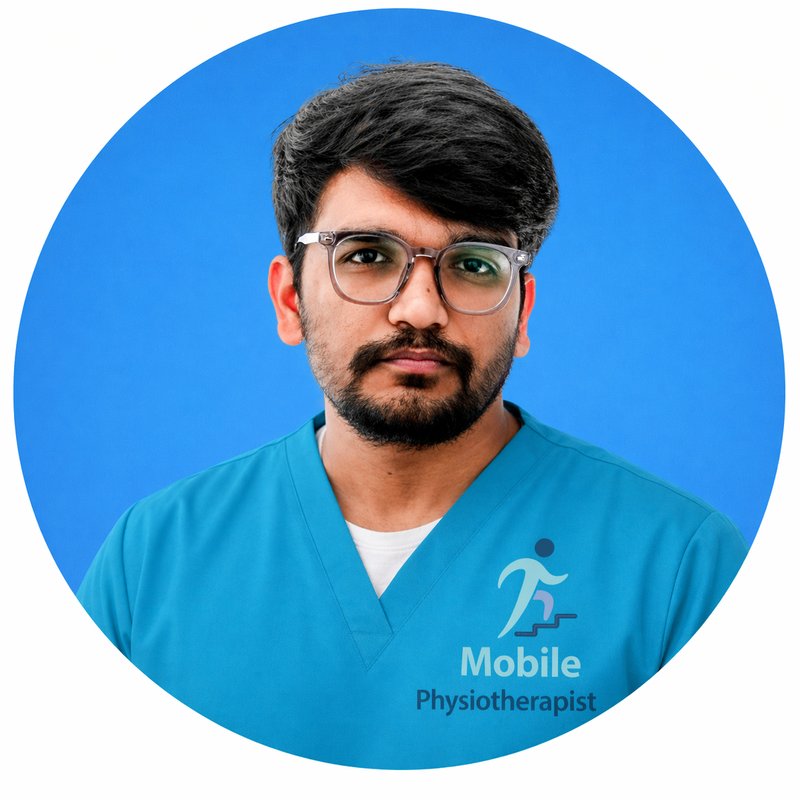
About Parth Chauhan
Parth Chauhan is an HCPC registered, Chartered Physiotherapist (MCSP) with an MSc in Sports and Exercise Biomechanics. He provides home visits across West Yorkshire and North Yorkshire, specialising in musculoskeletal rehabilitation, manual therapy and exercise-based recovery.