Hip and Knee Replacement Rehab at Home in Cambridgeshire
Published · 8 min read
Local Physiotherapist — Avais Kawos, Cambridgeshire
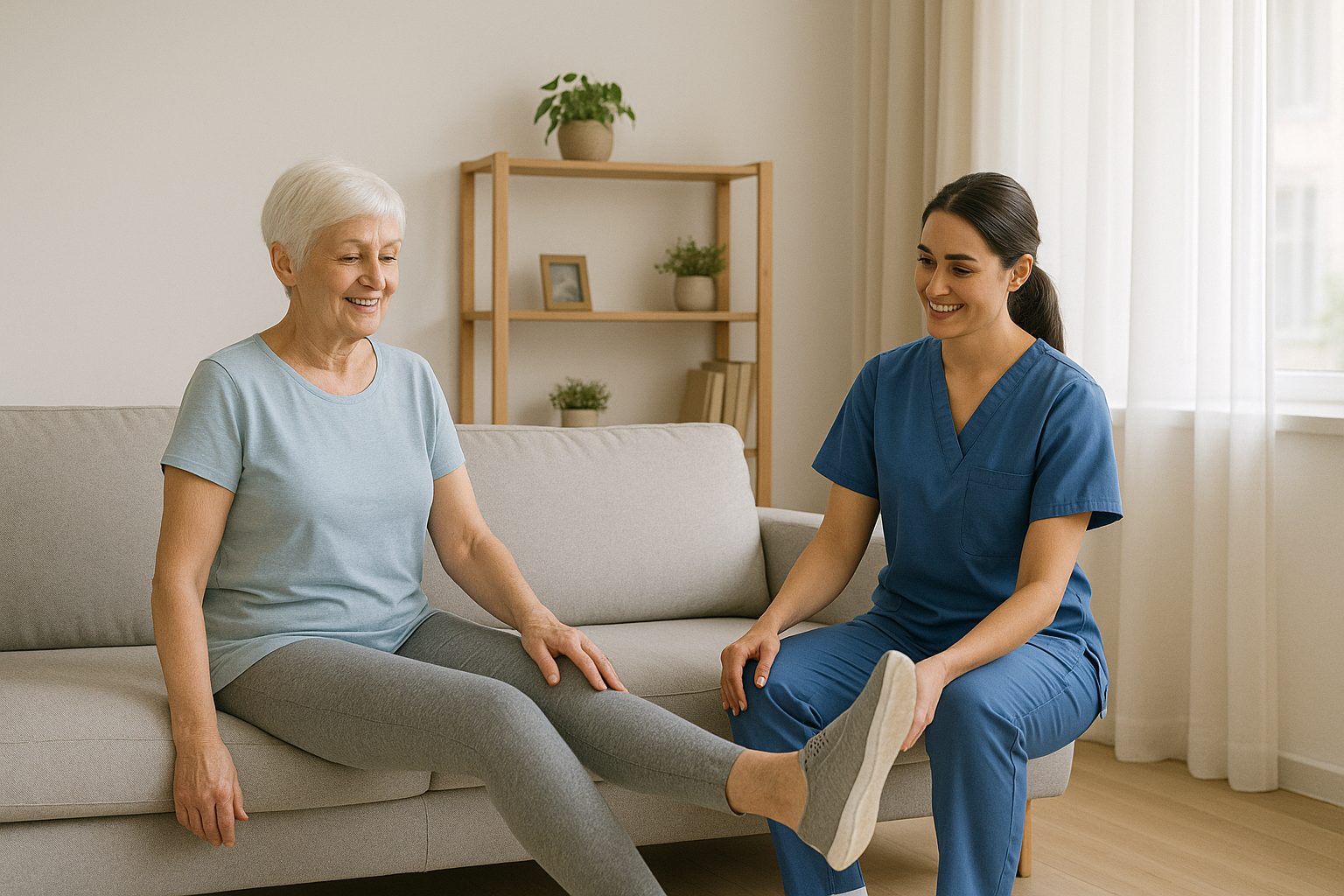
Recovery after hip or knee replacement depends on everyday practice. Home physiotherapy can help make walking, stairs and exercises more specific.
The home phase matters
Hospital discharge after hip or knee replacement is only the beginning of functional recovery. The next stage is learning how to move better at home: walking with a good pattern, managing stairs, progressing exercises, controlling swelling and building confidence outdoors.
What Avais reviews
Avais can review surgical precautions, discharge exercises, range of movement, swelling, pain, walking aid use, stairs, strength and confidence. He then adapts the plan around the home layout and the person's goals.
Knee and hip rehab are different
Knee replacement rehab often needs careful work on bend, straightening, swelling and strength. Hip replacement rehab may focus more on walking pattern, hip control, confidence, precautions and progressive strengthening. The home plan should reflect the operation.
Avoiding overlap with broader post-op content
The Northamptonshire post-operative article covers a different county and wider surgery recovery. This Cambridgeshire guide is specifically for hip and knee replacement rehab at home, with local town links.
Local links
Relevant pages include hip and knee replacement rehab in Cambridge, Peterborough, Ely, Huntingdon and hip and knee replacement rehab services.
Frequently asked questions
How soon can home physio start after joint replacement?
Timing depends on discharge advice, wound status, pain and medical stability. A phone enquiry can help decide the right start point.
Can Avais help with stairs?
Yes. Stairs, walking aid use and confidence are common goals after hip or knee replacement.
What symptoms need medical review?
New calf swelling, chest pain, severe breathlessness, wound infection signs, fever or sudden severe pain should be escalated medically.
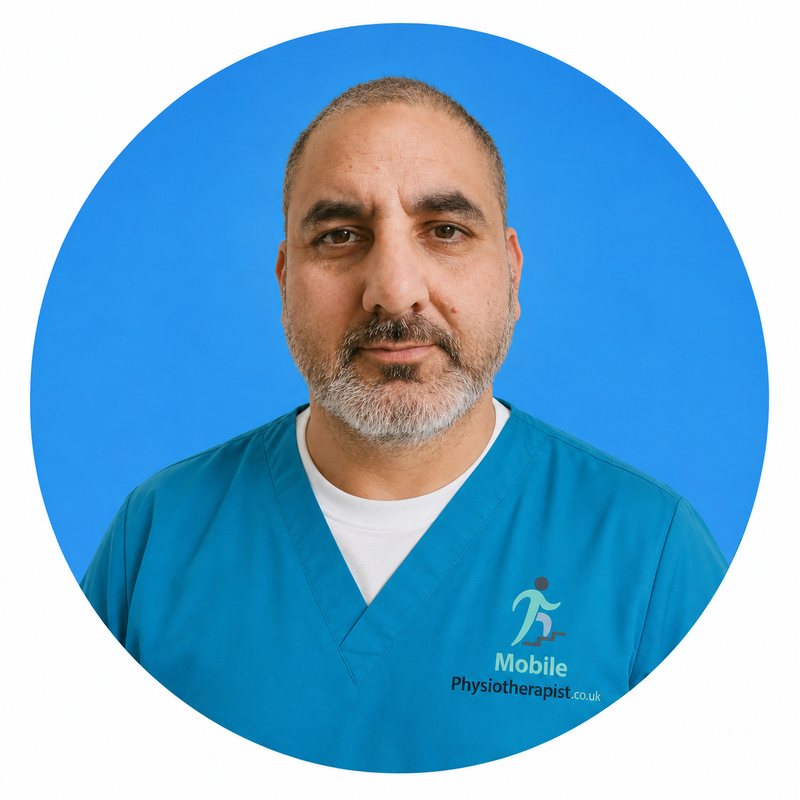
About Avais Kawos
Avais Kawos is an HCPC registered physiotherapist with NHS community, intermediate care, stroke, musculoskeletal and respiratory rehabilitation experience. He provides private home physiotherapy across Northamptonshire and Cambridgeshire.