Falls, Balance and Confidence Physiotherapy in Cambridgeshire
Published · 8 min read
Local Physiotherapist — Avais Kawos, Cambridgeshire
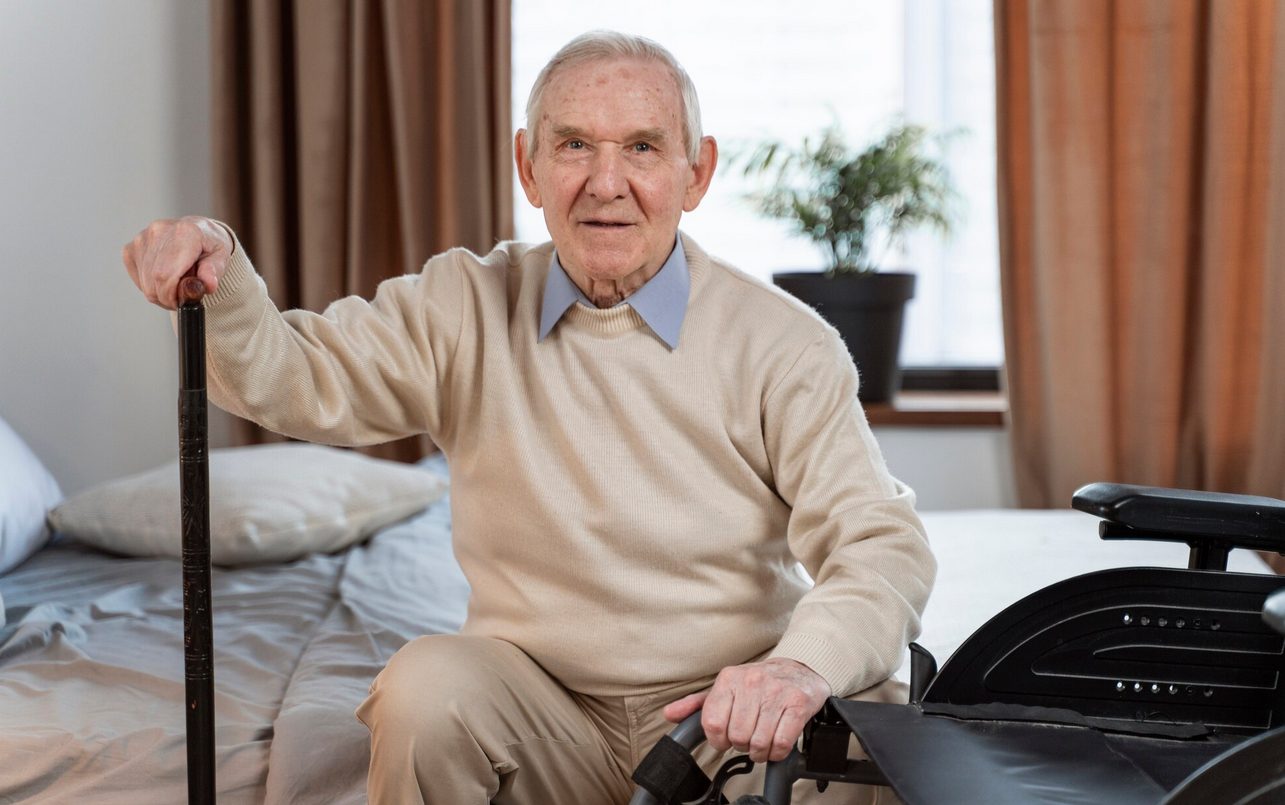
Falls prevention is not just a list of exercises. It is about understanding why confidence has changed and rebuilding safer movement at home.
Falls are usually multi-factorial
A fall may look simple, but the causes are often mixed: strength, balance, medication changes, eyesight, footwear, walking aids, illness, pain, home layout and confidence. A home physiotherapy assessment helps identify which factors are most changeable.
What Avais checks
Avais can assess sit-to-stand, turning, walking speed, stairs, balance reactions, lower limb strength, walking aid technique and the parts of the home where the person feels least safe. He can then build a plan around daily routines.
Confidence matters
After a fall, some people move less because they are scared. That is understandable, but it can reduce strength and make walking feel even less safe. Rehabilitation should rebuild confidence gradually, with practice that feels challenging but controlled.
How this differs from the Northamptonshire falls article
The existing Northamptonshire falls guide targets that county. This article gives Cambridgeshire its own falls and balance support, linking into local town pages rather than repeating the same content.
Internal links
See falls prevention in Cambridge, Peterborough, St Neots, Wisbech and falls prevention services.
Frequently asked questions
Do I need to have fallen to book?
No. Near misses, reduced confidence or increasing unsteadiness are good reasons to ask for help before a fall happens.
Can walking aids be reviewed?
Yes. Avais can check walking aid height, technique and whether the aid suits the home environment.
Are balance exercises safe at home?
They can be, but they should be matched to ability and set up safely. Do not practise high-risk balance tasks alone.
About Avais Kawos
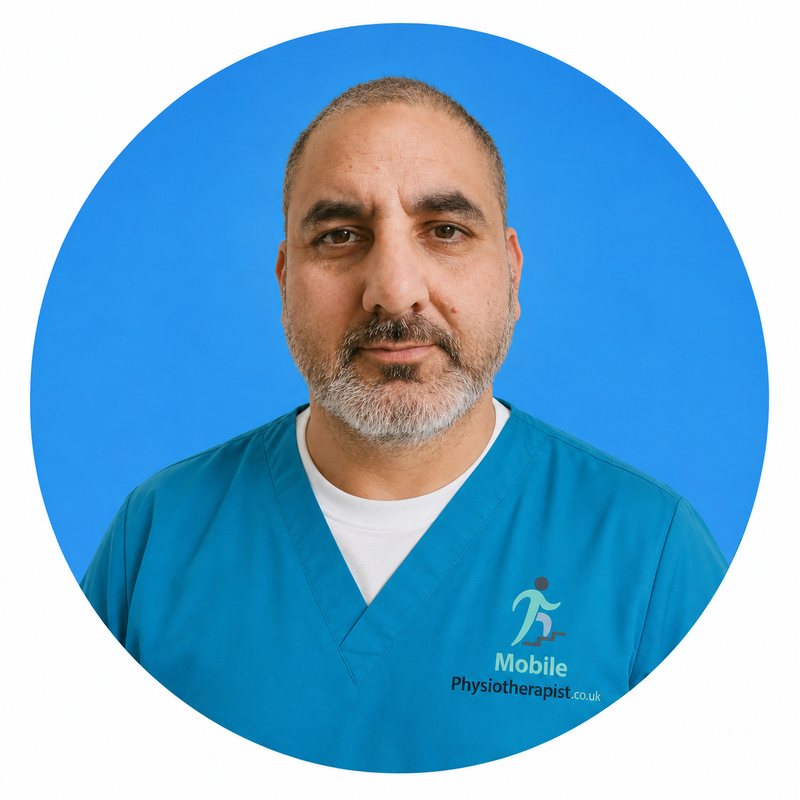
Avais Kawos is an HCPC registered physiotherapist with NHS community, intermediate care, stroke, musculoskeletal and respiratory rehabilitation experience. He provides private home physiotherapy across Northamptonshire and Cambridgeshire.