Cerebral Palsy Physiotherapy in Nottinghamshire
Published · 10 min read
Local Physiotherapist — Claire Williamson, Nottinghamshire
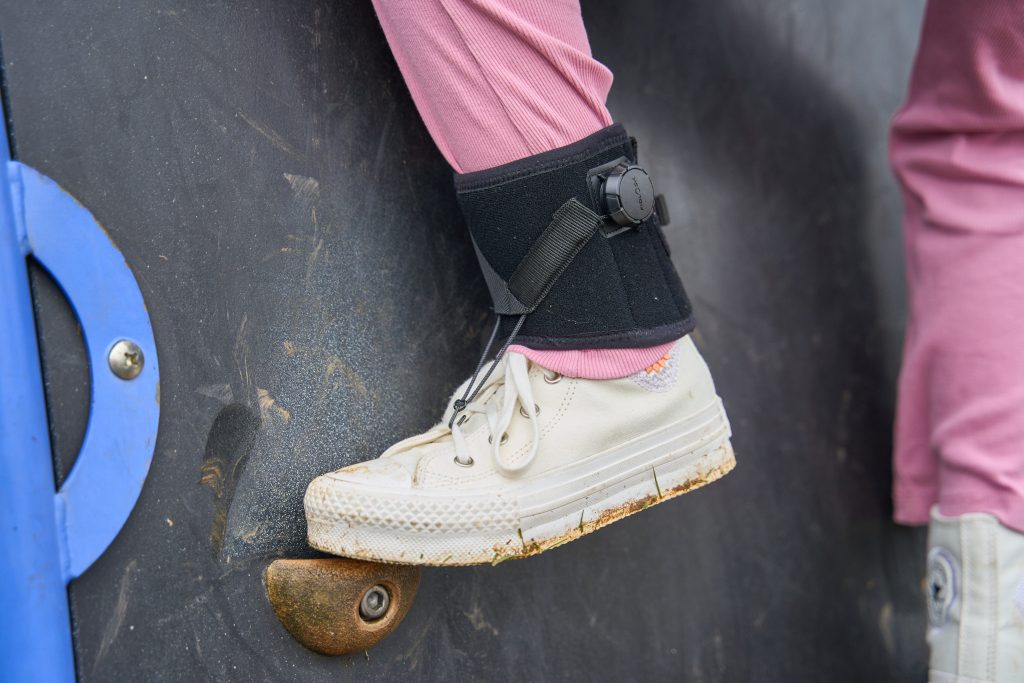
Cerebral palsy physiotherapy in Nottinghamshire for walking, strength, posture, tone, equipment, home programmes and family-centred rehabilitation goals.
How a home visit is kept practical
A useful home physiotherapy appointment should connect advice with the rooms, routines, equipment and goals that actually matter. That might mean looking at stairs, transfers, walking indoors and outdoors, play spaces, school preparation, family routines, footwear, fatigue, or confidence after illness, injury or surgery.
For children and young people, the assessment also considers development, communication, comfort, play, school or nursery demands and what parents can realistically practise between sessions. For adults, the focus may be strength, balance, walking confidence, pain, falls prevention, post-operative progress or safer daily activity.
Physiotherapy goals in cerebral palsy
Cerebral palsy physiotherapy focuses on function, comfort, participation and long-term movement health. Goals may include walking, transfers, strength, posture, balance, fatigue management, play, school participation or equipment confidence.
Assessment should look at the whole picture
A useful assessment considers muscle tone, selective control, range of movement, strength, sensation, growth, orthoses, footwear, daily routines, family goals and the activities the child wants or needs to do.
Home programmes and review
Home programmes work best when they fit naturally into family life. Exercises might be linked to play, stairs, standing, walking, balance, strengthening or specific post-operative goals.
Equipment and orthotic considerations
Children with cerebral palsy may use AFOs, Lycra orthoses, walking aids, standing frames, trikes or other equipment. Physiotherapy can help families understand how equipment supports function and when review may be needed.
Claire's relevant experience
Claire Williamson and the Buzzy Bees team support children and young people with cerebral palsy, including rehabilitation planning, hydrotherapy, CPIP-style assessment goals and post-operative support where appropriate.
Nottinghamshire families
Support is available across Nottinghamshire, including Nottingham, Arnold, Beeston, West Bridgford, Mansfield, Newark-on-Trent, Worksop, Retford, Southwell and surrounding towns.
How progress is reviewed
Good rehabilitation is adjusted as the person changes. The first plan may be simple, especially if pain, fatigue, confidence or attention span is limiting what can be practised. Follow-up reviews can then progress the programme, check technique, adapt the exercises and make sure the plan still matches daily life.
Progress does not always mean doing harder exercises. It may mean walking a little more safely outside, managing stairs with less worry, tolerating school or nursery routines, getting up from a chair more confidently, returning to a hobby, or knowing which symptoms need further medical advice.
Working alongside existing care
Private home physiotherapy should complement, not replace, appropriate NHS, GP, consultant, orthotic, school or community support. If someone already has an exercise sheet, splint, walking aid, operation plan or school advice, the home visit can help translate that guidance into a practical routine.
Where symptoms suggest a need for medical review, the physiotherapist can explain why further assessment may be sensible. This is particularly important with sudden weakness, unexplained neurological changes, significant pain, repeated falls, post-operative concerns, skin issues around splints, or a child whose movement has changed quickly.
Preparing for the first appointment
It helps to have any relevant hospital letters, orthotic notes, school reports, medication lists, walking aids, splints, AFOs or exercise sheets available. If the appointment is for a child, it is useful to think about the main activities that feel difficult: getting on and off the floor, stairs, walking outdoors, PE, play, nursery routines, footwear or fatigue.
The appointment should end with clear next steps. These may include a short exercise plan, practical activity ideas, equipment advice, review timing, questions to ask another clinician, or signposting back to NHS services if symptoms need medical review.
Questions worth asking
Helpful questions include: what should improve first, what is safe to practise every day, what should be avoided for now, how will progress be measured, when should the plan be reviewed, and what signs mean the GP, consultant, orthotist or NHS team should be contacted?
For families, it can also help to ask which activities can be built into normal play, school, nursery or bedtime routines. For adults, useful questions often include how to pace activity, how to practise stairs or outdoor walking, how to use equipment confidently, and how to keep exercises manageable on lower-energy days.
Local Nottinghamshire coverage
Home visits can be arranged across the main Nottinghamshire towns and surrounding villages, including Nottingham, West Bridgford, Beeston, Arnold, Hucknall, Mansfield, Sutton-in-Ashfield, Newark-on-Trent, Worksop, Retford, Southwell, Bingham, Ruddington, Carlton and Gedling. Availability, travel arrangements and the most suitable appointment type can be confirmed during the first phone enquiry.
Useful Nottinghamshire links
Nottinghamshire areas
Choose your town and view local home physiotherapy services.
Claire Williamson
Read Claire's profile, registration and specialist areas.
Prices
View Buzzy Bees physiotherapy pricing and appointment information.
Foot drop support
Explore splints, AFOs, exercises and OrthoPed guidance.
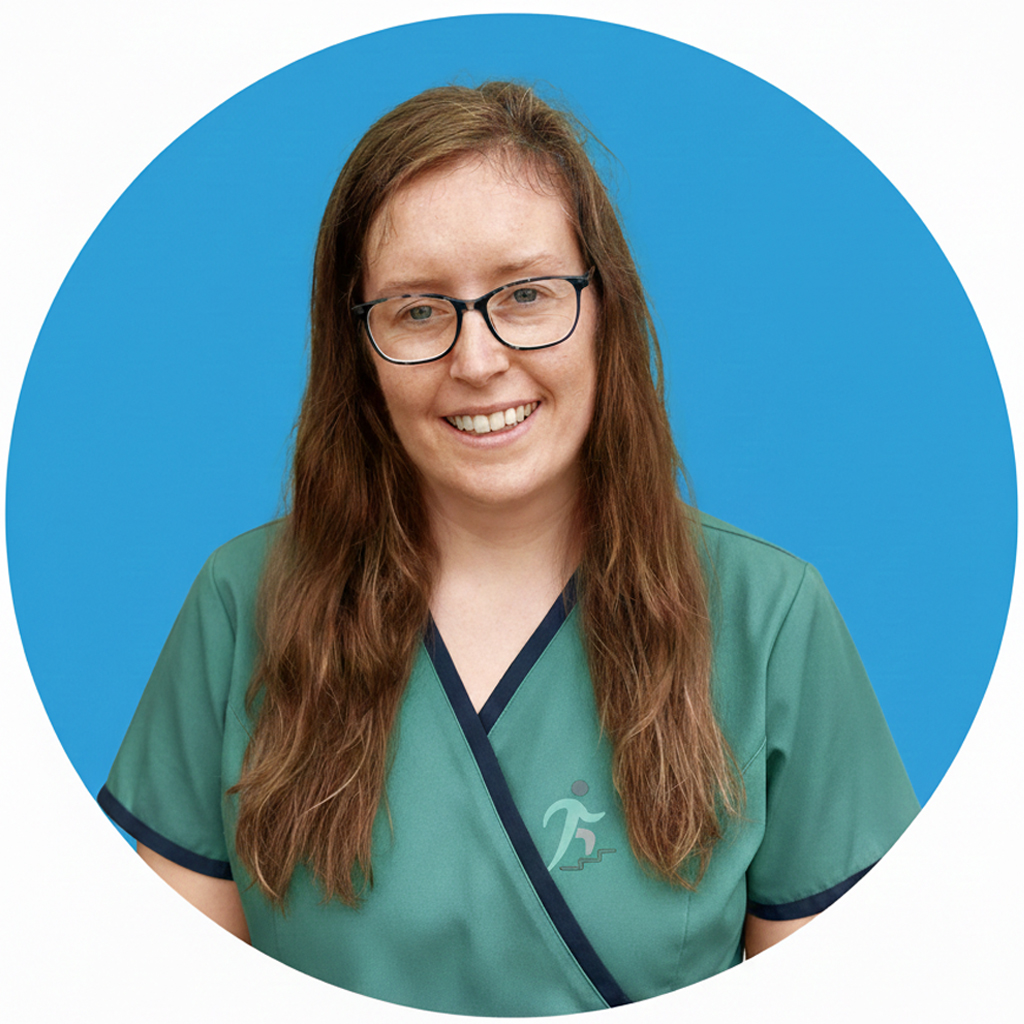
About Claire Williamson
Claire Williamson is a Chartered Physiotherapist and director of Buzzy Bees Physiotherapy. Claire specialises in children's physiotherapy, hydrotherapy, cerebral palsy rehabilitation, falls prevention, elderly rehabilitation and foot drop support across Derbyshire, Staffordshire and Nottinghamshire.