Wrist Fracture Recovery: Exercises and Rehabilitation Guide
Published
Local Physiotherapist - Lizzie Thornton, Staffordshire Moorlands & Cheshire East
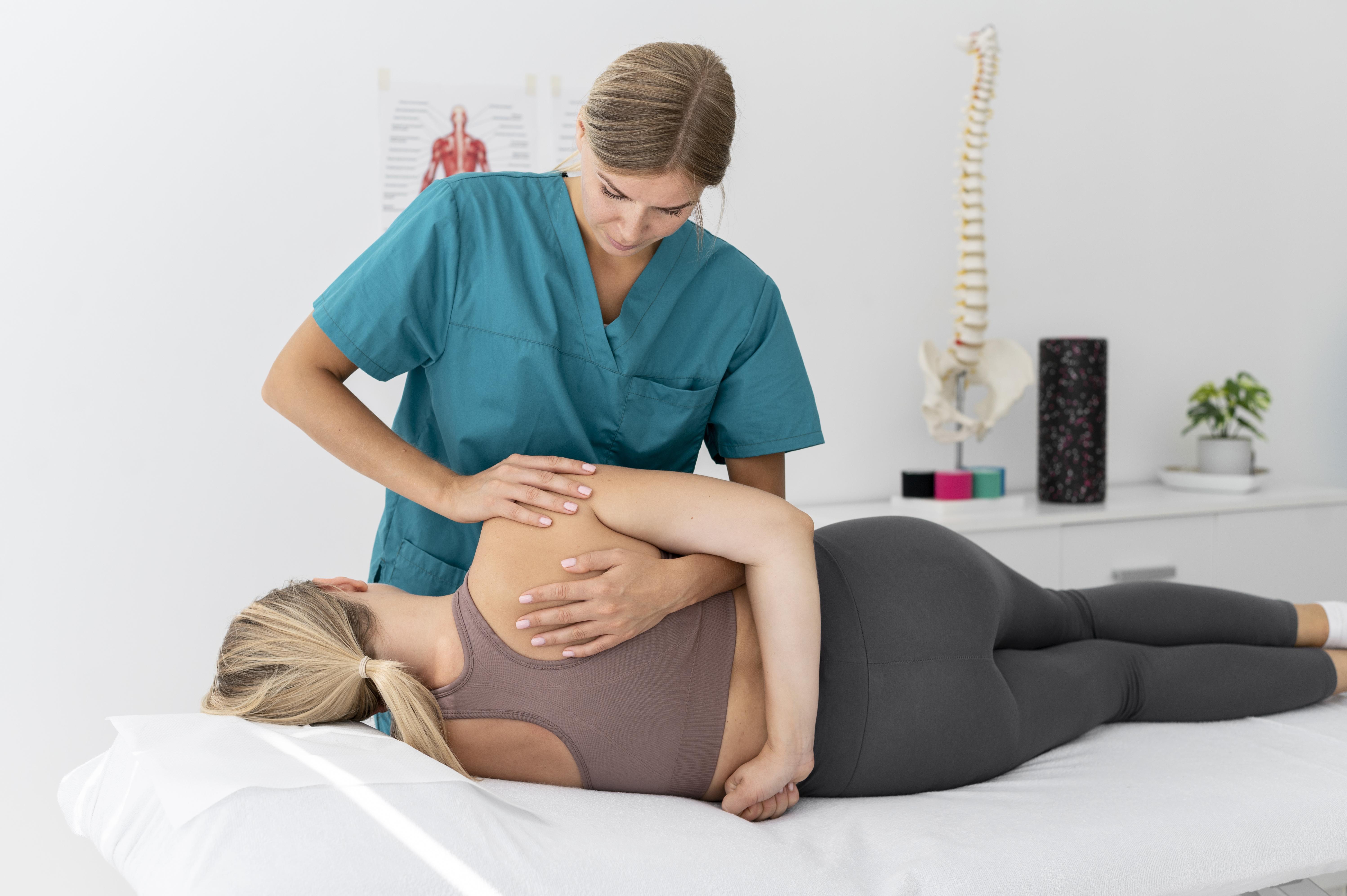
Wrist fractures are common, especially in older adults. Proper rehabilitation is crucial for regaining full function. This comprehensive guide covers exercises, timeline, and strategies for successful wrist fracture recovery.
Understanding wrist fractures
Common types
- Colles' fracture: Most common, break near wrist on thumb side
- Smith's fracture: Less common, opposite direction to Colles'
- Scaphoid fracture: Small bone in wrist, can be missed initially
Treatment methods
- Cast immobilization: 4-6 weeks typically
- Surgery (ORIF): Plates and screws for complex fractures
- External fixation: For severe fractures
Recovery timeline
Weeks 0-6: Immobilization phase
- Wrist in cast or splint
- Bone healing
- Exercises for fingers, elbow, shoulder
- Swelling management
Weeks 6-8: Early mobilization
- Cast removed
- Gentle wrist movements begin
- Stiffness is normal
- Gradual return to light activities
Weeks 8-12: Active rehabilitation
- Increased range of motion work
- Strengthening begins
- Functional activities
- Most daily tasks possible
Months 3-6: Continued improvement
- Ongoing strengthening
- Return to normal activities
- Some stiffness may persist
- Full recovery by 6-12 months
Exercises while in cast
Finger exercises
- Make a fist: 10 reps, hourly
- Finger spreads: 10 reps, hourly
- Thumb to each finger: 10 reps, 3 times daily
- Prevents stiffness
Elbow and shoulder
- Elbow bends: 10 reps, 3 times daily
- Shoulder circles: 10 each direction, 3 times daily
- Arm raises: 10 reps, twice daily
- Maintains mobility
Swelling management
- Elevate hand above heart regularly
- Finger pumps: Open and close fist
- Ice if swollen (around cast)
- Keep moving fingers
Exercises after cast removal
Week 1-2: Gentle mobilization
Wrist flexion and extension
- Rest forearm on table, hand over edge
- Gently bend wrist down
- Then bend wrist up
- 10 reps, 3-4 times daily
- Move within comfort
Wrist side-to-side (radial/ulnar deviation)
- Forearm on table, thumb up
- Move hand towards thumb
- Then towards little finger
- 10 reps, 3-4 times daily
Forearm rotation
- Elbow bent at 90 degrees
- Turn palm up
- Turn palm down
- 10 reps, 3-4 times daily
Week 3-4: Increased movement
Wrist circles
- Make gentle circles with wrist
- 10 circles each direction
- 3-4 times daily
Finger to palm
- Try to touch fingertips to palm
- Make full fist if possible
- 10 reps, 3-4 times daily
Wrist stretches
- Use other hand to gently stretch wrist
- Hold 20-30 seconds
- All directions
- 3 times daily
Strengthening exercises
Week 5-8: Light strengthening
Putty exercises
- Squeeze therapy putty
- Roll into ball
- Pinch between fingers
- 10 reps each, twice daily
Wrist curls
- Forearm on table, hand over edge
- Hold light weight (tin of beans)
- Bend wrist up
- Lower slowly
- 10 reps, twice daily
Grip strengthening
- Squeeze soft ball
- Hold 5 seconds
- 10 reps, twice daily
- Progress to firmer ball
Week 9+: Progressive strengthening
Resistance band exercises
- Wrist flexion/extension with band
- Forearm rotation with band
- 10-15 reps, twice daily
Weight-bearing exercises
- Wall push-ups
- Leaning on hands
- Gradually increase load
- Build tolerance slowly
Functional activities
Early activities (weeks 6-8)
- Light personal care
- Using cutlery
- Writing (may be difficult initially)
- Light household tasks
- Avoid heavy lifting
Intermediate activities (weeks 8-12)
- Most daily activities
- Light cooking
- Typing
- Light gardening
- Driving (when safe)
Advanced activities (3+ months)
- Return to work
- Sports and hobbies
- Heavy lifting (gradually)
- All normal activities
Managing pain and swelling
Pain management
- Take pain medication as prescribed
- Ice after exercises (15 minutes)
- Elevate when resting
- Some discomfort with exercises is normal
- Sharp pain is not
Swelling control
- Elevate hand regularly
- Finger pumps frequently
- Compression if recommended
- Ice as needed
- Avoid dependent position
Common problems and solutions
Stiffness
Normal: Expect significant stiffness initially
Solutions:
- Frequent gentle exercises
- Heat before exercises
- Patience — improves over months
- Professional therapy if severe
Weakness
Normal: Muscles weaken during immobilization
Solutions:
- Progressive strengthening
- Functional activities
- Consistent exercise
- Gradual return to activities
Nerve symptoms
Concerning: Numbness, tingling, or weakness
Action:
- Report to doctor
- May indicate nerve compression
- Could be carpal tunnel
- Needs assessment
When to seek help
Contact healthcare professional if:
- Severe pain not improving
- Increasing swelling
- Numbness or tingling
- Not regaining movement
- Fingers turning blue or cold
- Cast feels too tight
Returning to activities
Driving
- Usually 6-8 weeks minimum
- Must have full control
- Check with doctor
- Inform insurance
- Practice in safe area first
Work
- Depends on job demands
- Desk work: 6-8 weeks
- Manual work: 3-6 months
- Phased return may help
- Discuss with employer
Sports
- Light sports: 3 months
- Contact sports: 4-6 months
- Get clearance from doctor
- Build up gradually
- May need wrist support
The role of physiotherapy
Fracture / Broken Bones Rehabilitation (18+) provides:
- Assessment of movement and strength
- Personalized exercise programme
- Progression guidance
- Hands-on treatment for stiffness
- Functional retraining
- Return to activity planning
Preventing future fractures
For older adults
- Bone health assessment
- Calcium and vitamin D
- Balance exercises
- Falls prevention strategies
- Home safety review
The bottom line
Successful wrist fracture recovery requires:
- Patience — full recovery takes 6-12 months
- Consistent daily exercises
- Gradual progression
- Managing pain and swelling
- Functional activity practice
- Professional guidance when needed
- Realistic expectations
Most people regain good wrist function with appropriate rehabilitation. The key is starting exercises early after cast removal and being consistent with your programme.
Need help with wrist fracture recovery?
Our Fracture / Broken Bones Rehabilitation (18+) service provides expert physiotherapy for wrist fractures, helping you regain movement, strength, and function. We work with you at home to ensure optimal recovery.
Get in touch Learn about Fracture / Broken Bones Rehabilitation (18+)

About Lizzie Thornton
Lizzie Thornton is a specialist community physiotherapist with over 15 years of experience in fracture rehabilitation. She is HCPC registered and a member of the Chartered Society of Physiotherapy. Lizzie provides home physiotherapy visits across Staffordshire Moorlands and Cheshire East, helping people recover from fractures and regain full function.