What to Do After a Fall: Recovery Steps and Preventing Future Falls
Published
Local Physiotherapist - Lizzie Thornton, Staffordshire Moorlands & Cheshire East
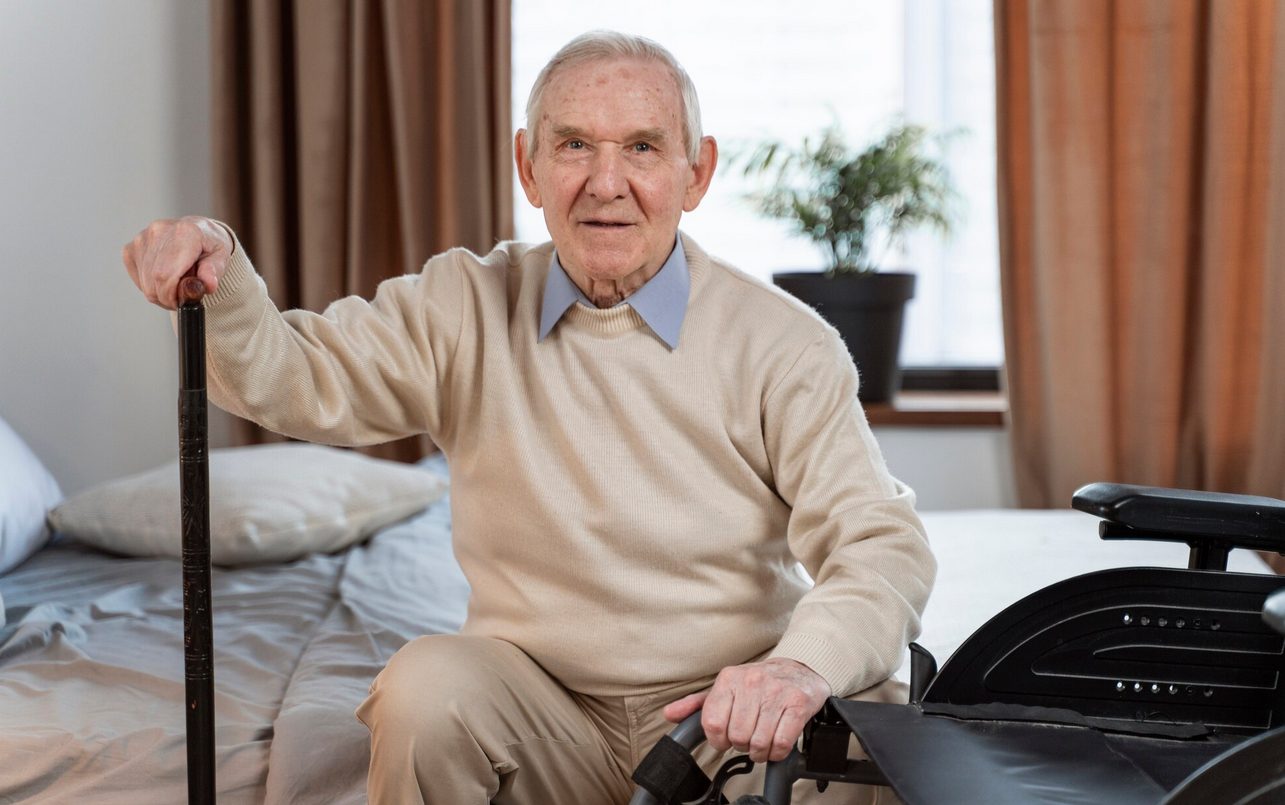
Falling can be frightening, but how you respond in the hours, days, and weeks afterwards significantly impacts your recovery and future fall risk. This guide covers immediate actions, recovery steps, and crucially, how to prevent it happening again.
Immediately after a fall
Step 1: Stay calm and assess yourself
- Take a few deep breaths
- Do not rush to get up
- Check for pain or obvious injury
- Move your arms and legs gently to test for injury
Step 2: Call for help if needed
Call 999 immediately if you have:
- Severe pain
- Unable to move a limb
- Obvious deformity or swelling
- Hit your head (especially if on blood thinners)
- Chest pain or difficulty breathing
- Loss of consciousness
- Bleeding that will not stop
Step 3: Getting up safely
If you are not injured and feel able to get up:
- Roll onto your side
- Get onto your hands and knees
- Crawl to a sturdy chair or furniture
- Place your hands on the chair seat
- Bring your stronger leg forward (foot flat on floor, knee bent)
- Push up through your leg and arms to stand
- Turn and sit on the chair
- Rest before moving
If you cannot get up
- Call for help using a personal alarm or mobile phone
- If you cannot reach help, try to attract attention (shout, bang on floor/wall)
- Try to stay warm (pull down a coat or blanket if within reach)
- Move around if possible to prevent pressure sores
- Stay calm — help will come
In the first 24-48 hours
Monitor for delayed symptoms
Some injuries are not immediately apparent. Watch for:
- Increasing pain or swelling
- Bruising appearing
- Difficulty moving
- Headache or confusion (if you hit your head)
- Dizziness
- Feeling unwell
Manage pain and swelling
- Take pain relief as needed (paracetamol or as advised)
- Apply ice to bruised or swollen areas (20 minutes, wrapped in towel)
- Rest but avoid complete immobility
- Elevate swollen limbs when resting
Contact your GP if
- Pain is not improving
- You are struggling to manage at home
- You feel very shaken or anxious
- You have concerns about why you fell
- You need advice on preventing future falls
The first week: Physical recovery
Gentle movement
While rest is important, too much immobility causes problems:
- Start gentle movements as soon as comfortable
- Walk short distances regularly
- Do gentle range of motion exercises
- Gradually increase activity
- Listen to your body
Managing bruising
Bruising after a fall can be extensive, especially if you take blood thinners:
- Bruising typically peaks at 2-3 days, then gradually fades
- Color changes (purple to green to yellow) are normal
- Gentle movement helps bruising resolve
- Seek medical advice if bruising is severe or spreading
Rebuilding confidence
The psychological impact of a fall can be as significant as physical injury:
- It is normal to feel shaken or anxious
- Start with activities you feel confident doing
- Gradually challenge yourself
- Ask for support if needed
- Do not let fear stop you being active
Understanding why you fell
This is crucial for preventing future falls. Falls rarely happen for just one reason.
Common causes
Environmental factors
- Tripping on rugs, cables, or clutter
- Slipping on wet floors
- Poor lighting
- Uneven surfaces
- Lack of handrails
Physical factors
- Reduced balance
- Muscle weakness
- Dizziness or vertigo
- Vision problems
- Foot problems or poor footwear
Medical factors
- Medication side effects (especially dizziness)
- Low blood pressure
- Heart rhythm problems
- Neurological conditions
- Infections (especially urinary tract infections in older adults)
Behavioral factors
- Rushing or hurrying
- Carrying too much
- Reaching or stretching
- Getting up too quickly
- Walking in poor lighting
Conducting a fall analysis
Think through what happened:
- Where were you? (Location in home or outside)
- What were you doing? (Walking, reaching, turning)
- What time was it? (Morning, night, after medication)
- How did you fall? (Trip, slip, legs gave way)
- Any warning signs? (Dizziness, weakness, rushing)
This information helps identify what needs to change.
Preventing future falls
1. Address environmental hazards
- Remove or secure loose rugs
- Improve lighting throughout your home
- Clear clutter and trailing cables
- Install grab rails in bathroom
- Ensure handrails on both sides of stairs
- Fix uneven flooring
2. Review your medications
Ask your GP to review your medications, especially:
- Blood pressure medications
- Sedatives or sleeping tablets
- Medications causing dizziness
- Multiple medications (polypharmacy)
3. Check your vision
- Have regular eye tests
- Ensure glasses are up to date
- Consider separate reading and distance glasses rather than bifocals
- Treat cataracts if affecting vision
4. Address foot problems
- See a podiatrist for foot pain or nail problems
- Wear well-fitting, supportive shoes
- Avoid walking in socks or backless slippers
- Replace worn footwear
5. Improve your balance and strength
This is the most effective fall prevention strategy:
- Start a regular exercise programme
- Focus on balance and leg strengthening
- Practice 3-5 times per week
- Progress gradually
- Consider professional guidance
The role of professional assessment
After a fall, a comprehensive falls prevention assessment is highly recommended:
What to expect
- Balance assessment: Identify specific deficits
- Strength testing: Check leg and core strength
- Gait analysis: Assess walking pattern
- Home safety review: Identify environmental hazards
- Medication review: Consider fall-risk medications
- Personalized programme: Tailored exercises and advice
Benefits of professional support
- Reduce fall risk by up to 30-40%
- Build confidence safely
- Address specific problems
- Ongoing support and progression
- Peace of mind for you and your family
When to seek urgent help
Contact your GP or call 111 if you experience:
- Recurrent falls (more than one in 6 months)
- Falls with no obvious cause
- Loss of consciousness with falls
- Increasing frequency of falls
- Severe fear of falling limiting your life
Long-term recovery and prevention
Physical recovery timeline
- Days 1-3: Acute pain and bruising
- Week 1: Gradual improvement in pain and mobility
- Weeks 2-4: Bruising fading, confidence returning
- Months 1-3: Full physical recovery (if no serious injury)
Psychological recovery
Emotional recovery can take longer than physical recovery:
- Anxiety about falling again is normal
- Gradually expose yourself to feared activities
- Seek support if fear is limiting your life
- Consider counseling if anxiety is severe
- Join a falls prevention group for peer support
Ongoing prevention
Fall prevention is not a one-time fix but an ongoing commitment:
- Continue balance and strength exercises long-term
- Maintain home safety
- Have regular medication reviews
- Annual vision and hearing checks
- Stay active and social
- Review your fall risk annually
For family and carers
How to help
- Encourage independence, not dependence
- Support them to address fall risk factors
- Help with home modifications
- Accompany them to appointments
- Encourage exercise and activity
- Be patient with emotional recovery
When to be concerned
- Multiple falls
- Refusing to leave the house
- Significant decline in function
- Depression or severe anxiety
- Not following safety advice
The bottom line
After a fall, the key steps are:
- Get up safely or call for help
- Monitor for delayed symptoms in first 48 hours
- Start gentle movement as soon as comfortable
- Understand why you fell
- Address environmental, medical, and physical factors
- Start a falls prevention programme
- Seek professional assessment and support
- Do not let fear stop you being active
Remember, having one fall does not mean you will keep falling. With the right interventions, most people can significantly reduce their fall risk and regain confidence.
Fallen recently? Get expert support
Our falls prevention service provides comprehensive assessment after a fall, identifies why it happened, and creates a personalized programme to prevent future falls. We work with you at home to build strength, balance, and confidence.

About Lizzie Thornton
Lizzie Thornton is a specialist community physiotherapist with over 15 years of experience in falls prevention and post-fall rehabilitation. She is HCPC registered and a member of the Chartered Society of Physiotherapy. Lizzie has helped hundreds of people recover from falls and prevent future falls through home physiotherapy visits across Staffordshire Moorlands and Cheshire East.