What To Do After a Fall at Home
Published
Local Physiotherapist — Louis McKenna, Warwickshire
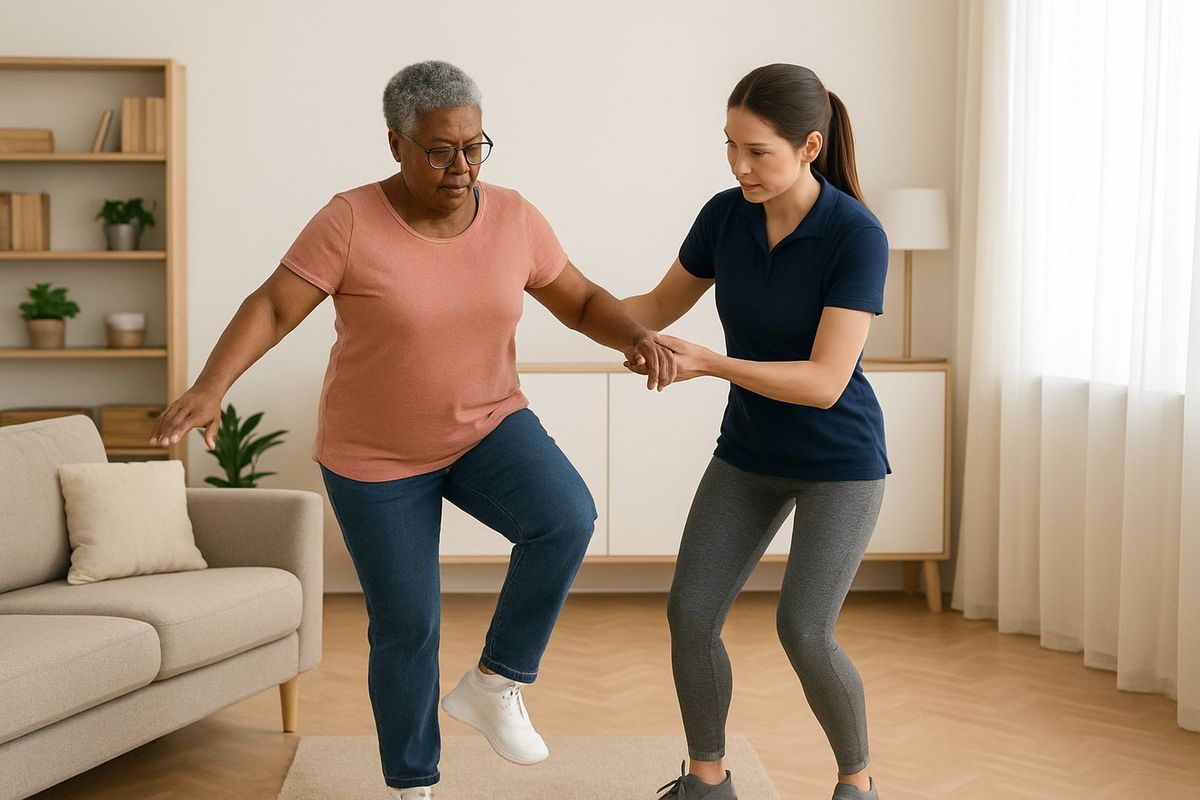
A fall at home can be unsettling - even if you don't feel seriously injured at the time. Many people experience reduced confidence, stiffness, or fear of falling again in the days that follow. Knowing what to do next can make a big difference to recovery and future safety.
1. Check for any immediate injury
After a fall, take a moment before trying to move. Check for:
- Pain in the hips, back, wrists, or shoulders
- Dizziness or confusion
- Difficulty standing or putting weight through your legs
If there is severe pain or you are unable to get up safely, it is important to seek medical help.
2. Take your time getting up
If you are able to move, avoid rushing. Use stable furniture to help support yourself and stand gradually. Moving too quickly can increase the risk of another fall.
3. Monitor how you feel afterwards
It is common for symptoms to develop later, including:
- Stiffness or soreness
- Reduced confidence when walking
- Changes in balance
- Fatigue or reduced activity levels
4. Understand why the fall happened
Many falls are not just "bad luck". Common causes include:
- Reduced balance or strength
- Trips or hazards at home
- Fatigue or illness
- Joint stiffness or reduced mobility
Identifying the cause helps prevent it happening again.
5. Gradually return to movement
It can be tempting to rest more after a fall, but avoiding movement completely can lead to further weakness. Gentle activity and structured rehabilitation can help rebuild confidence and stability.
6. When physiotherapy can help
If you feel less steady, slower, or unsure when walking after a fall, physiotherapy can support recovery by:
- Improving balance and coordination
- Rebuilding strength safely
- Identifying movement issues
- Reducing risk of future falls
Home-based physiotherapy is particularly helpful, as it allows assessment within your actual living environment.
Preventing future falls
Simple changes can reduce risk:
- Keeping walkways clear
- Improving lighting
- Wearing supportive footwear
- Maintaining strength and mobility
Areas covered in North Warwickshire
Home visits are available across North Warwickshire, including:
For more locations, visit the Warwickshire coverage page.
Getting support at home
If you are in Warwickshire and would prefer support at home, you can view local physiotherapy services here:
Home physiotherapy in Rugby & North Warwickshire
Or learn more about your local physiotherapist:

About Louis McKenna
Louis McKenna is a mobile physiotherapist (MCSP, HCPC PH124187) who visits people in their own homes across Rugby, Nuneaton, Warwick, Leamington Spa and across Warwickshire. He runs an independent practice, A&M Physiotherapy, alongside fellow physiotherapist Tom Arnold (HCPC PH125635), and A&M can also offer appointments with two physiotherapists where additional support is needed. Much of his work is neurological rehabilitation, and helping people regain strength, mobility and confidence after a stroke, operation, fall or stay in hospital.
Read Louis's profile or call 07402 961786.
Please mention Mobile Physiotherapist.co.uk when you call.