Tennis Elbow: Treatment, Exercises and Recovery Guide
Published
Local Physiotherapist - Lizzie Thornton, Staffordshire Moorlands & Cheshire East
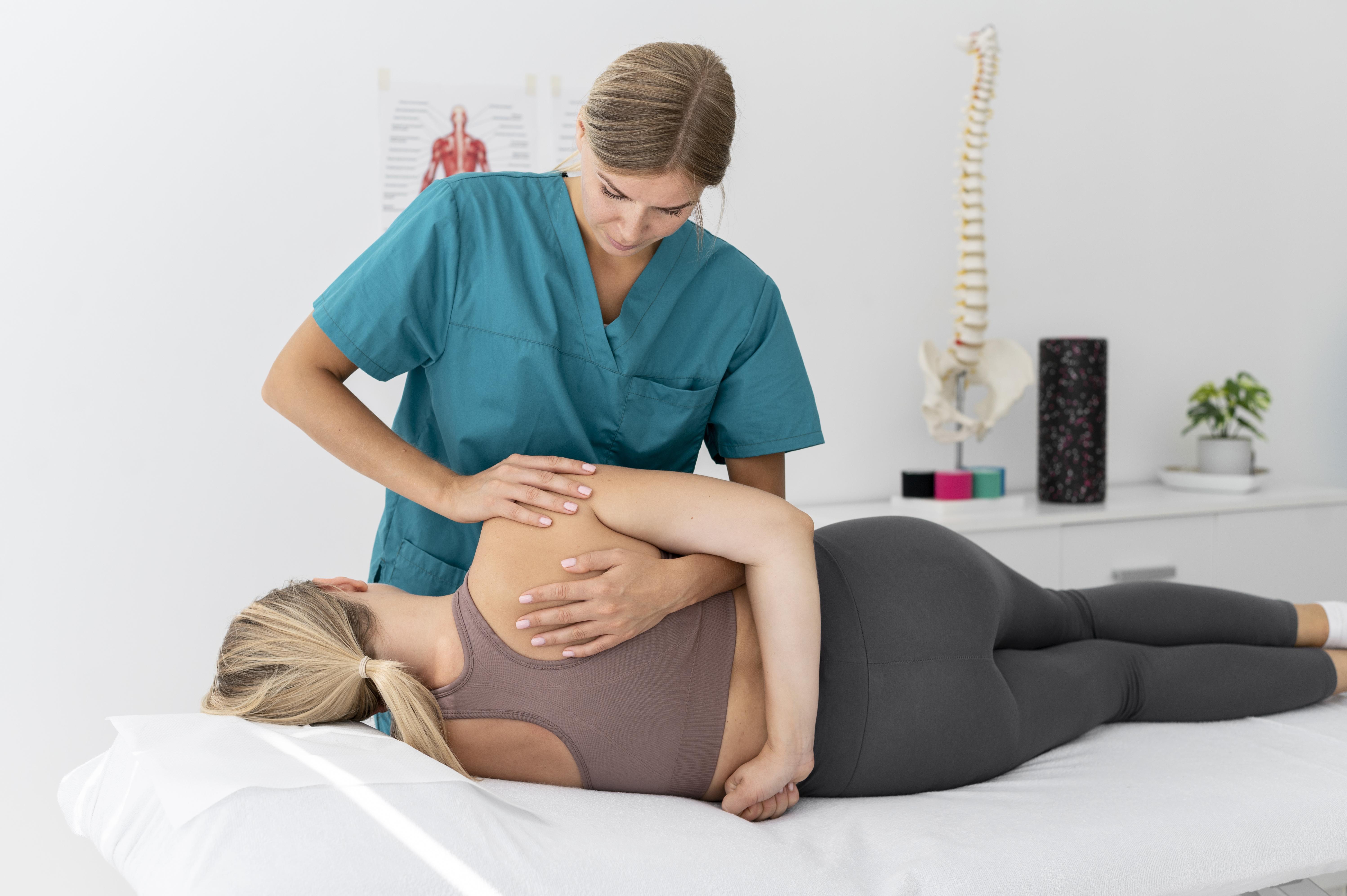
Tennis elbow (lateral epicondylitis) is a painful condition affecting the outer elbow. Despite its name, most cases are not related to tennis. This comprehensive guide covers effective treatment, exercises, and strategies for recovery.
Understanding tennis elbow
What is tennis elbow?
- Tendinopathy of forearm extensor muscles
- Pain on outer side of elbow
- Caused by overuse or repetitive strain
- Degenerative condition, not inflammation
Common causes
- Repetitive gripping activities
- Computer mouse use
- Manual work (painting, plumbing, carpentry)
- Racquet sports (only 5% of cases)
- Gardening
- Age 40-60 most common
Symptoms
- Pain on outer elbow
- Worse with gripping
- Weakness in grip
- Pain lifting objects
- Pain shaking hands
- Gradual onset usually
Self-diagnosis
Typical presentation
- Tender to touch on bony bump (lateral epicondyle)
- Pain with resisted wrist extension
- Pain gripping objects
- Pain turning doorknobs
- Pain lifting kettle or cup
Initial management
Activity modification
- Reduce aggravating activities
- Modify work tasks if possible
- Take regular breaks
- Avoid complete rest
- Continue daily activities within pain limits
Pain relief
- Ice: 15 minutes, 3-4 times daily
- Paracetamol or ibuprofen
- Topical anti-inflammatory gels
- Avoid heat initially
Ergonomic adjustments
- Adjust desk and chair height
- Position keyboard and mouse correctly
- Use ergonomic mouse
- Take frequent breaks
- Modify tool handles if needed
Exercises for tennis elbow
Eccentric strengthening
Most effective exercise for tennis elbow
Wrist extensor eccentric exercise
- Sit with forearm resting on table
- Hand over edge, palm down
- Hold light weight (tin of beans)
- Use other hand to lift wrist up
- Remove helping hand
- Slowly lower weight down (5 seconds)
- 15 reps, 3 times daily
- Should feel effort, not sharp pain
Isometric exercises
Wrist extension hold
- Make fist
- Bend wrist back
- Hold position against resistance
- Hold 45 seconds
- Repeat 3 times, twice daily
Grip strengthening
Grip squeeze
- Squeeze soft ball or therapy putty
- Hold 5 seconds
- 10 reps, twice daily
- Progress to firmer ball
Stretches
Wrist extensor stretch
- Arm straight in front
- Palm facing down
- Use other hand to bend wrist down
- Hold 30 seconds
- Repeat 3 times, 3 times daily
Wrist flexor stretch
- Arm straight in front
- Palm facing up
- Use other hand to bend wrist down
- Hold 30 seconds
- Repeat 3 times, 3 times daily
Progressive loading programme
Week 1-2
- Isometric exercises only
- Gentle stretching
- Activity modification
- Pain management
Week 3-6
- Start eccentric exercises
- Very light weight initially
- Gradually increase weight
- Continue stretching
Week 6-12
- Progress weight further
- Add grip strengthening
- Gradual return to activities
- Continue exercises
Beyond 12 weeks
- Maintenance exercises
- Return to normal activities
- Continue strengthening long-term
Treatment options
Physiotherapy
Joint Pain & Muscle Injury Treatment provides:
- Accurate diagnosis
- Personalized exercise programme
- Manual therapy techniques
- Activity modification advice
- Ergonomic assessment
- Progression guidance
Bracing
- Counterforce brace: Worn on forearm
- Can reduce pain during activities
- Not a cure alone
- Use during aggravating activities
- Remove when resting
Medication
- NSAIDs (ibuprofen) for pain
- Topical gels
- Short-term use only
- Not effective long-term
Injections
- Corticosteroid: Short-term relief only
- May impair healing long-term
- Generally not recommended
- PRP (platelet-rich plasma): Some evidence
- Discuss with specialist
Surgery
- Last resort only
- After 6-12 months conservative treatment
- Success rate variable
- Debridement of damaged tendon
Activity modification
At work
- Adjust workstation ergonomics
- Use ergonomic mouse
- Take regular breaks (every 30 minutes)
- Alternate tasks
- Use both hands when possible
Daily activities
- Use larger handles on tools
- Lift with palm up instead of down
- Use two hands for heavy items
- Avoid repetitive gripping
- Take breaks during gardening
Sports
- Check racquet grip size
- Reduce string tension
- Improve technique
- Warm up properly
- Gradually return to sport
Recovery timeline
Typical recovery
- Improvement within 4-6 weeks
- Significant improvement by 3 months
- Full recovery 6-12 months
- Can be stubborn condition
- Requires patience
Factors affecting recovery
- Severity and duration
- Ability to modify activities
- Consistency with exercises
- Addressing underlying causes
- Age and general health
Preventing tennis elbow
Strengthening
- Regular forearm strengthening
- Eccentric exercises
- Grip strengthening
- 2-3 times weekly
Ergonomics
- Proper workstation setup
- Ergonomic tools and equipment
- Regular breaks
- Vary tasks
Technique
- Proper lifting technique
- Correct sports technique
- Use whole body, not just arm
- Avoid repetitive strain
Common mistakes
- Complete rest: Weakens tendon further
- Pushing through pain: Worsens condition
- Stopping exercises too soon: High recurrence rate
- Not addressing cause: Will return
- Expecting quick fix: Takes time to heal
When to seek help
Consider professional help if:
- Pain not improving after 2-3 weeks
- Affecting work or daily activities
- Weakness developing
- Unsure of diagnosis
- Want personalized treatment
- Previous treatments failed
The bottom line
Managing tennis elbow effectively requires:
- Eccentric strengthening exercises
- Activity modification
- Ergonomic improvements
- Patience with recovery
- Consistent exercise programme
- Addressing underlying causes
- Long-term maintenance
Tennis elbow can be stubborn but most cases improve with appropriate treatment. The key is eccentric strengthening exercises, activity modification, and patience with the recovery process.
Need help with tennis elbow?
Our Joint Pain & Muscle Injury Treatment service provides expert assessment and treatment for tennis elbow. We provide effective exercises, activity modification advice, and guide you to full recovery.
Get in touch Learn about Joint Pain & Muscle Injury Treatment

About Lizzie Thornton
Lizzie Thornton is a specialist community physiotherapist with over 15 years of experience treating tennis elbow and musculoskeletal conditions. She is HCPC registered and a member of the Chartered Society of Physiotherapy. Lizzie provides home physiotherapy visits across Staffordshire Moorlands and Cheshire East.