Stroke Rehabilitation at Home in West London
Published
Local Physiotherapist — Rits Rana, West London
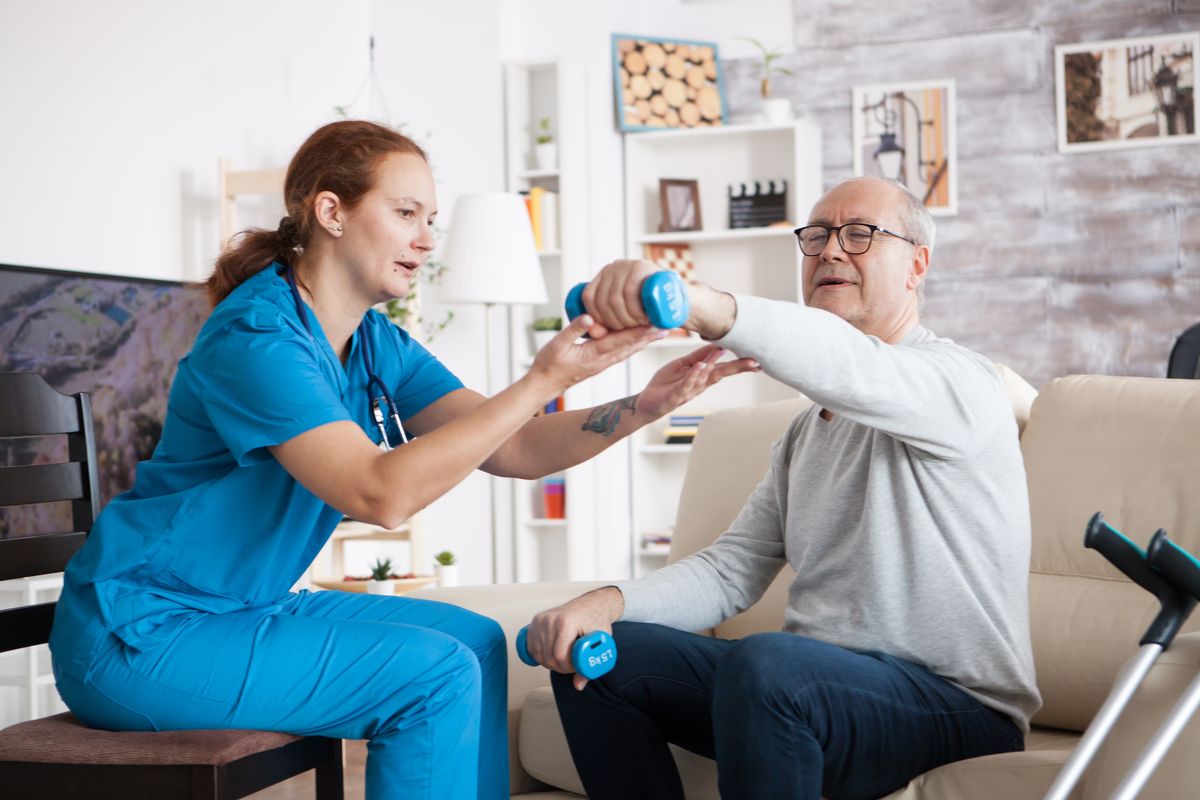
Leaving hospital after a stroke is a big step, but it is rarely the end of recovery. Most of the hard work, and much of the progress, happens once you are home. Physiotherapy in your own home lets that work happen in the place where it counts.
After the hospital stay
In London, stroke care starts in a specialist stroke unit. In West London that is often the hyper-acute stroke unit at Charing Cross Hospital in Hammersmith. After that, many people have a period of NHS rehabilitation at home or in the community. That support is valuable, but it usually lasts a set number of weeks, and many people feel they still have a long way to go when it ends.
That is where private physiotherapy at home can help: carrying on the work, at a pace that suits you, for as long as it is useful.
What home rehabilitation works on
- Walking: getting steadier, walking further and needing less help, indoors and out
- Balance: standing for longer, turning safely and reaching without wobbling
- Arm and hand: getting movement and control back so everyday tasks become possible again
- Getting up and down: from a chair, a bed, a toilet and the floor
- Stairs: practising on your own staircase, with the rails you actually have
- Stiffness and tightness: easing muscles that have become tight since the stroke
- Confidence: going out again, whether to the end of the road or onto a bus
Why home is a good place for it
Recovery after a stroke depends on practising real tasks, many times. Practising in your own kitchen, on your own stairs and in your own garden means the skills carry straight over into daily life. It also means family members or carers can see the exercises and help between visits, which makes a real difference to how much practice gets done.
Home visits also take away the effort of travel. For someone who tires quickly after a stroke, a trip across London to a clinic can use up the energy that should have gone into the session.
Is it too late?
People often ask this months or even years after their stroke. The fastest change usually happens early on, but improvement does not stop on a set date. Many people keep getting better with the right practice long after they were told progress had levelled off. A good assessment will be honest about what is realistic, and will set goals you can measure.
Who you will see
Stroke rehabilitation across West London is with Rits Rana, a chartered physiotherapist whose main work is neurological rehabilitation. She previously led an NHS community team for neurological and older people's physiotherapy, and she is a registered practitioner with the British Association of Brain Injury and Complex Case Management. She can work alongside your NHS team, a case manager or other therapists if you have them.
What the first visit looks like
The first visit lasts up to an hour. Rits will ask about the stroke, your time in hospital and what you find hard now, then look carefully at how you move. Together you agree a few clear goals, such as walking to the shops or getting upstairs without help, and you finish with exercises to start straight away.
Home visits across West London
Stroke rehabilitation at home is available in Ealing, Hammersmith, Chiswick, Richmond, Twickenham, Hounslow and across West London.
Related pages: stroke and neurological rehabilitation in Hammersmith and in Ealing.
Book a home visit in West London
A free phone call is the easiest place to start. Talk through what is going on and check whether home physiotherapy is the right fit. No GP referral is needed.
Please mention Mobile Physiotherapist.co.uk
About Rits Rana
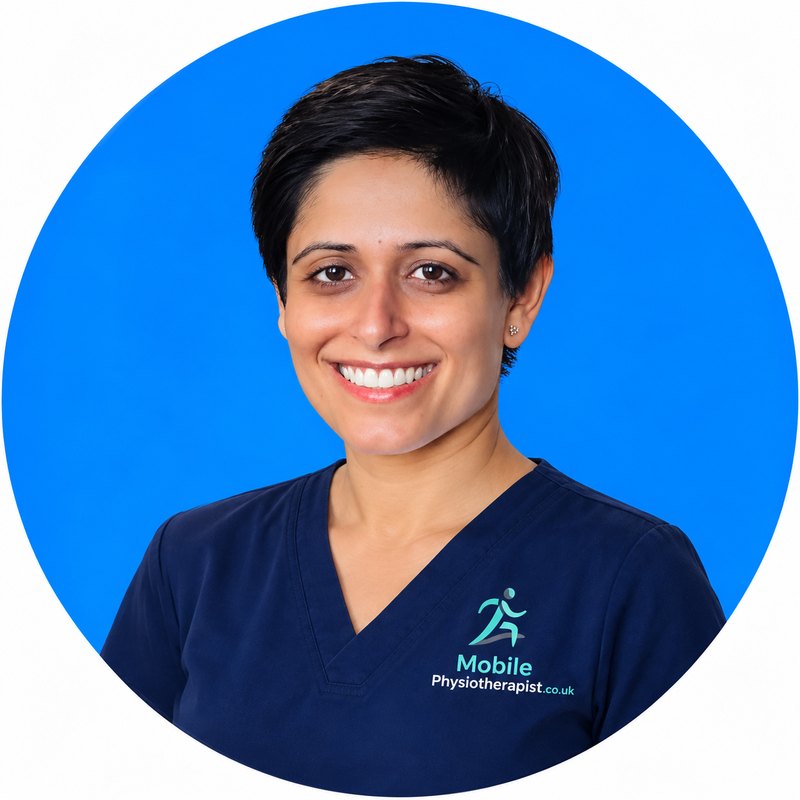
Rits Rana is a chartered physiotherapist (HCPC PH106489, MCSP 119421) providing home visit physiotherapy across Ealing, Hammersmith, Chiswick, Richmond, Twickenham, Hounslow and across West London, and runs an independent mobile practice, Mobile Rehab. Her specialist ground is complex neurological rehabilitation: stroke, brain injury, Parkinson's, MS and motor neurone disease. Alongside that she works with older adults on strength, balance and falls, and treats muscle and joint problems at NHS Band 7 level. She assesses and diagnoses directly, so there is no wait for a GP referral before treatment can start.
Read Rits's profile or call 07818 106406.
Please mention Mobile Physiotherapist.co.uk when you call.