Stair Climbing Practice for Seniors: Safety and Technique Guide
Published
Local Physiotherapist - Lizzie Thornton, Staffordshire Moorlands & Cheshire East
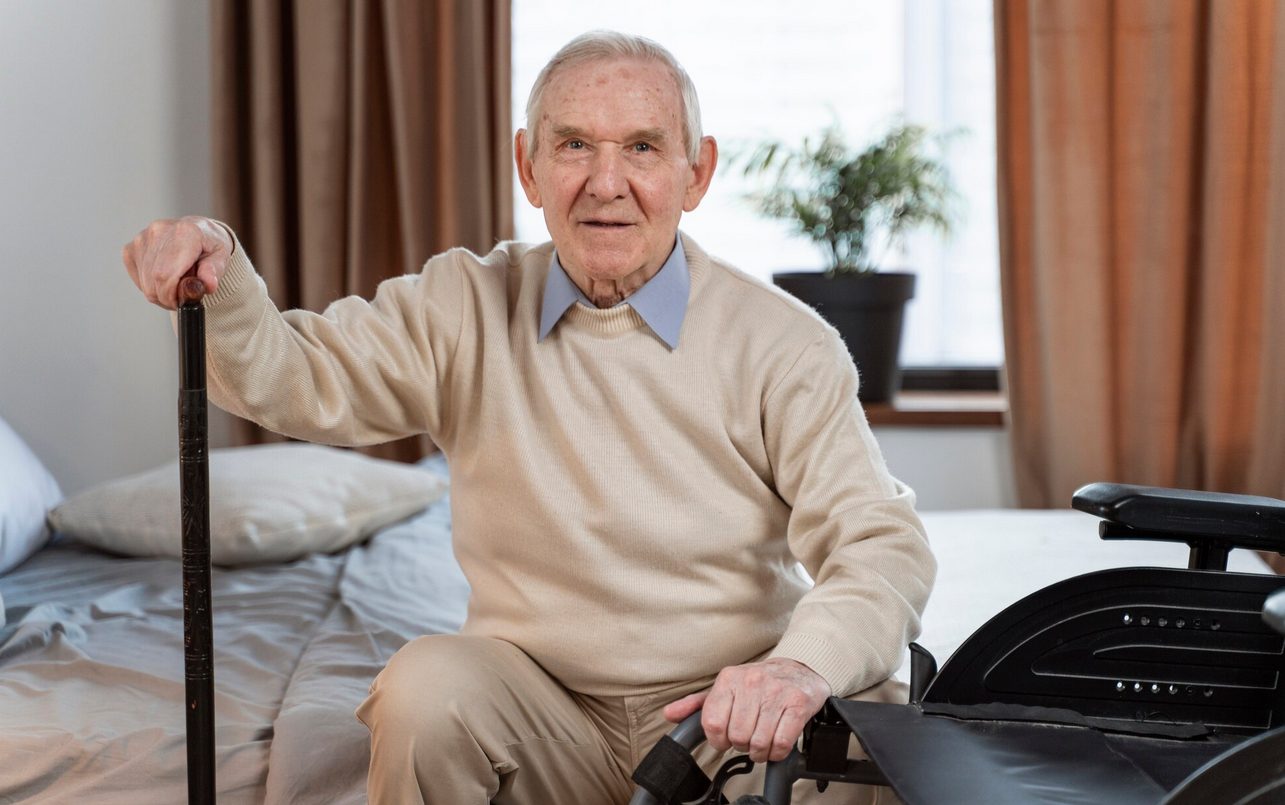
Stairs can be challenging and intimidating for older adults, but maintaining the ability to use them safely is crucial for independence. This comprehensive guide covers safe stair climbing techniques, building confidence, and exercises to improve stair ability.
Why stairs matter
Impact on independence
- Access to all areas of home
- Visiting friends and family
- Accessing shops and services
- Using public transport
- Maintaining social life
- Quality of life
Common challenges
- Reduced leg strength
- Balance problems
- Joint pain (knees, hips)
- Fear of falling
- Breathlessness
- Previous falls on stairs
- Visual problems
Safe stair technique
Going upstairs
- Face stairs squarely
- Use handrail (always)
- Step up with stronger leg first
- Bring weaker leg up to same step
- One step at a time initially
- Look ahead, not down
- Take your time
Going downstairs
- Face stairs squarely
- Use handrail (always)
- Step down with weaker leg first
- Bring stronger leg down to same step
- One step at a time
- Look where you're going
- Take your time
Remember
- "Up with the good, down with the bad"
- Stronger leg leads going up
- Weaker leg leads going down
- Always use handrail
Using walking aids on stairs
With a walking stick
Going up
- Hold stick and handrail in same hand
- Or stick in one hand, rail in other
- Step up with good leg
- Bring stick and weak leg up together
Going down
- Hold stick and handrail
- Lower stick and weak leg together
- Bring good leg down
With crutches
- Use handrail, hold both crutches in other hand
- Or use crutches under both arms, no rail
- Requires good strength and balance
- Practice with supervision first
Walking frames
- Cannot be used on stairs safely
- Need alternative (stick, rail only)
- Or consider stairlift
Building stair confidence
Start with single steps
- Practice on single step first
- Bottom stair or doorstep
- Build confidence
- Master technique
- Then progress to full flight
Gradual progression
Stage 1: Single step practice
- Up and down bottom step
- With handrail
- 10 reps, twice daily
- 1-2 weeks
Stage 2: Few steps
- 3-4 steps up and down
- Using handrail
- One step at a time
- 1-2 weeks
Stage 3: Half flight
- Halfway up stairs
- Rest if needed
- Build stamina
- 2-3 weeks
Stage 4: Full flight
- Complete flight of stairs
- One step at a time
- Rest at top/bottom
- Ongoing practice
Stage 5: Step-over-step (if able)
- Alternating feet
- More advanced
- Requires good strength and balance
- Not essential for everyone
Exercises to improve stair ability
Leg strengthening
Sit-to-stand
- Sit in chair
- Stand up without using hands
- Sit back down slowly
- 10 reps, 3 sets, daily
Step-ups
- Use bottom stair or step
- Step up with one foot
- Bring other foot up
- Step down
- 10 reps each leg, 2-3 sets, daily
Mini squats
- Stand holding support
- Bend knees slightly
- Straighten
- 10 reps, 3 sets, daily
Balance exercises
Single leg stands
- Hold support
- Lift one foot
- Hold 10-30 seconds
- Repeat other leg
- 3 reps each leg, twice daily
Tandem standing
- One foot in front of other
- Hold support
- Hold 30 seconds
- Repeat other side
- 3 reps each side, twice daily
Stamina building
- Regular walking
- Gradually increase distance
- Build cardiovascular fitness
- Reduces breathlessness on stairs
Home stair safety
Essential safety features
- Sturdy handrails both sides (ideal)
- Good lighting
- Non-slip treads
- Clear of clutter
- Contrasting edge strips
- No loose carpet
Additional aids
- Extra handrail if only one side
- Stair lights
- Highlighter tape on edges
- Remove loose rugs at top/bottom
- Consider stairlift if very difficult
Managing specific challenges
Knee pain
- Go down backwards if severe pain
- Use handrail heavily
- One step at a time
- Strengthen quadriceps
- Consider knee support
- See physiotherapist
Hip pain
- Lead with non-painful leg going up
- Lead with painful leg going down
- Use handrail
- Strengthen hip muscles
- Manage pain appropriately
Breathlessness
- Rest halfway if needed
- Breathe steadily
- Don't rush
- Build fitness gradually
- Check with GP if severe
Fear of falling
- Practice with supervision initially
- Build confidence gradually
- Use handrail always
- Go slowly
- Work on balance exercises
- Consider physiotherapy
Alternatives to stairs
When stairs too difficult
- Stairlift installation
- Move bedroom downstairs
- Downstairs bathroom
- Through-floor lift
- Move to bungalow/flat
Temporary solutions
- Avoid stairs during recovery
- Set up temporary bedroom downstairs
- Use commode if no downstairs toilet
- Work on rehabilitation
- Aim to return to stairs
Public stairs and steps
Managing unfamiliar stairs
- Look for handrails
- Check step height
- Take your time
- Ask for help if needed
- Look for lift alternative
Outdoor steps
- Extra caution in wet weather
- Avoid if icy
- Use handrail if available
- Take small steps
- Look for ramps
Emergency situations
If you fall on stairs
- Stay calm
- Assess for injury
- Call for help if needed
- If able, crawl to top/bottom
- Get up carefully using handrail
- Seek medical advice
- Report to GP
Prevention
- Never rush on stairs
- Always use handrail
- Ensure good lighting
- Wear appropriate footwear
- Don't carry heavy items
- Don't use stairs when very tired
The role of physiotherapy
Steps & Stairs Practice provides:
- Assessment of stair ability
- Technique instruction
- Supervised practice
- Strengthening exercises
- Confidence building
- Home safety advice
- Progression planning
The bottom line
Safe stair use requires:
- Proper technique
- Always using handrail
- Adequate leg strength
- Good balance
- Confidence
- Safe home environment
- Regular practice
- Professional guidance if struggling
Maintaining the ability to use stairs safely is important for independence. With proper technique, regular practice, and appropriate exercises, most older adults can continue to manage stairs confidently.
Need help with stairs?
Our Steps & Stairs Practice service provides expert assessment and training to help you use stairs safely and confidently. We work with you at home, providing supervised practice and personalized exercises.

About Lizzie Thornton
Lizzie Thornton is a specialist community physiotherapist with over 15 years of experience helping older adults maintain mobility and independence. She is HCPC registered and a member of the Chartered Society of Physiotherapy. Lizzie provides home physiotherapy visits across Staffordshire Moorlands and Cheshire East.