Shoulder Fracture Recovery: Exercises and Mobility Guide
Published
Local Physiotherapist - Lizzie Thornton, Staffordshire Moorlands & Cheshire East
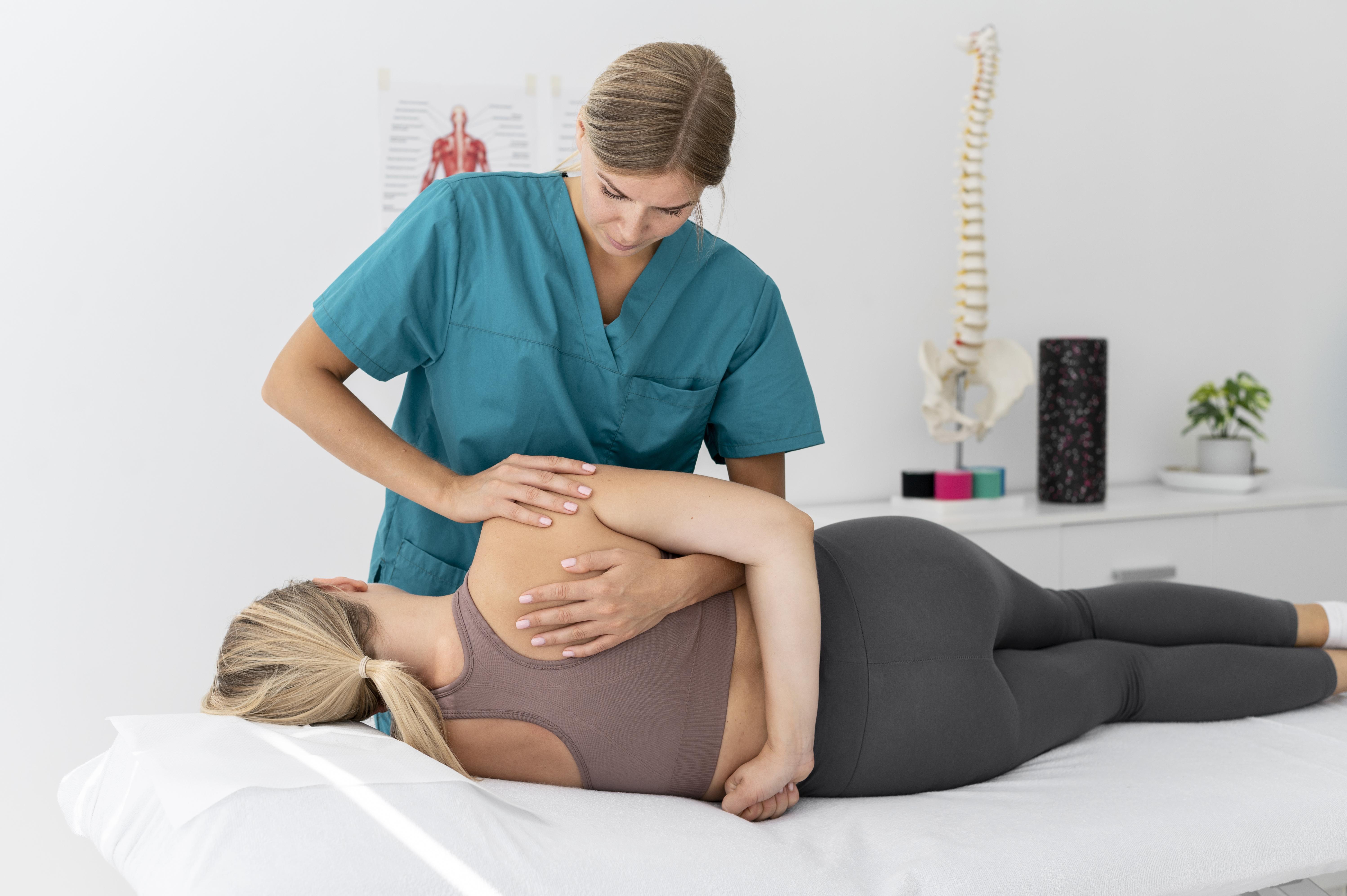
Shoulder fractures require careful rehabilitation to regain full range of motion and function. This comprehensive guide covers exercises, timeline, and strategies for successful shoulder fracture recovery.
Understanding shoulder fractures
Common types
- Proximal humerus: Top of arm bone, most common
- Clavicle (collarbone): Often from falls
- Scapula (shoulder blade): Less common
Treatment options
- Conservative: Sling for 3-6 weeks
- Surgical: Plates, screws, or shoulder replacement
Recovery timeline
Weeks 0-3: Protection phase
- Arm in sling most of time
- Gentle pendulum exercises only
- Hand, wrist, elbow exercises
- No active shoulder movement
Weeks 3-6: Early mobilization
- Sling weaned off gradually
- Passive and assisted movements begin
- Very gentle active exercises
- No lifting or reaching
Weeks 6-12: Active rehabilitation
- Active range of motion work
- Light strengthening begins
- Functional activities
- Gradual return to daily tasks
Months 3-6: Strengthening phase
- Progressive strengthening
- Return to normal activities
- Sport-specific training if needed
- Full recovery by 6-12 months
Exercises while in sling
Pendulum exercises
- Lean forward, support with good arm
- Let injured arm hang down
- Gently swing arm in small circles
- 10 circles each direction
- 3-4 times daily
- Do not use muscles, just gravity
Hand and wrist exercises
- Make a fist: 20 reps, hourly
- Finger spreads: 20 reps, hourly
- Wrist circles: 10 each way, 3 times daily
- Prevents stiffness
Elbow exercises
- Remove arm from sling
- Bend and straighten elbow
- 10 reps, 3-4 times daily
- Support upper arm
Early mobilization exercises (weeks 3-6)
Passive range of motion
Use good arm to move injured arm:
Forward flexion
- Lie on back
- Clasp hands together
- Good arm lifts injured arm overhead
- 10 reps, 3 times daily
External rotation
- Lie on back, elbow bent 90 degrees
- Use stick or good hand
- Rotate arm outward gently
- 10 reps, 3 times daily
Active-assisted exercises
Table slides
- Stand facing table
- Place hand on towel
- Slide hand forward on table
- 10 reps, twice daily
Wall walks
- Face wall, fingers on wall
- Walk fingers up wall
- Go as high as comfortable
- 10 reps, twice daily
Active range of motion (weeks 6-12)
Forward flexion
- Stand or sit upright
- Lift arm forward and up
- Go as high as comfortable
- 10 reps, 3 times daily
Abduction
- Lift arm out to side
- Keep thumb pointing up
- 10 reps, 3 times daily
Internal rotation
- Reach hand behind back
- Try to touch opposite shoulder blade
- 10 reps, 3 times daily
External rotation
- Elbow at side, bent 90 degrees
- Rotate forearm outward
- 10 reps, 3 times daily
Strengthening exercises (weeks 8+)
Resistance band exercises
External rotation
- Band attached to door
- Elbow at side, bent 90 degrees
- Rotate arm outward against band
- 10-15 reps, twice daily
Internal rotation
- Band attached to door
- Rotate arm inward against band
- 10-15 reps, twice daily
Shoulder flexion
- Stand on band
- Lift arm forward against resistance
- 10-15 reps, twice daily
Scapular exercises
Scapular squeezes
- Squeeze shoulder blades together
- Hold 5 seconds
- 10 reps, twice daily
Rows
- Use resistance band
- Pull elbows back
- Squeeze shoulder blades
- 10-15 reps, twice daily
Functional activities
Early activities (weeks 6-8)
- Light personal care
- Eating and drinking
- Typing (if comfortable)
- Light household tasks below shoulder
- Avoid lifting
Intermediate activities (weeks 8-12)
- Dressing independently
- Light cooking
- Reaching to shoulder height
- Light lifting (1-2 kg)
- Driving (when safe)
Advanced activities (3+ months)
- Overhead activities
- Heavier lifting
- Return to work
- Sports and hobbies
Managing stiffness
Why stiffness occurs
- Immobilization in sling
- Scar tissue formation
- Muscle guarding
- Fear of movement
Preventing excessive stiffness
- Start exercises early
- Do exercises consistently
- Frequent gentle movements
- Heat before exercises
- Do not push through sharp pain
Common problems
Frozen shoulder
Risk: Higher after shoulder fracture
Prevention:
- Early mobilization
- Consistent exercises
- Professional physiotherapy
- Address pain adequately
Shoulder weakness
Normal: Muscles weaken during immobilization
Solutions:
- Progressive strengthening
- Scapular exercises
- Functional activities
- Patient progression
Nerve symptoms
Concerning: Numbness, tingling, or weakness
Action: Report to doctor immediately
Pain management
Strategies
- Take pain medication as prescribed
- Ice after exercises (15 minutes)
- Heat before exercises
- Some discomfort with exercises is normal
- Sharp pain is not
Sleeping positions
Best positions
- Semi-reclined (use pillows)
- On uninjured side
- Support injured arm with pillows
- Avoid lying on injured shoulder
Returning to activities
Driving
- Usually 6-8 weeks minimum
- Must have full control
- Check with doctor
- Inform insurance
- Practice in safe area
Work
- Desk work: 6-8 weeks
- Manual work: 3-6 months
- Overhead work: 4-6 months
- Phased return helpful
Sports
- Swimming: 3 months
- Golf/tennis: 4-6 months
- Contact sports: 6 months
- Get clearance from doctor
When to seek help
Contact healthcare professional if:
- Severe pain not improving
- Increasing stiffness
- Not regaining movement
- Numbness or tingling
- Weakness developing
- Shoulder feels unstable
The role of physiotherapy
Fracture / Broken Bones Rehabilitation (18+) provides:
- Assessment of movement and strength
- Personalized exercise programme
- Hands-on treatment for stiffness
- Progression guidance
- Prevention of frozen shoulder
- Return to activity planning
The bottom line
Successful shoulder fracture recovery requires:
- Patience — full recovery takes 6-12 months
- Starting exercises early
- Consistent daily practice
- Gradual progression
- Managing pain and stiffness
- Professional guidance
- Realistic expectations
Most people regain good shoulder function with appropriate rehabilitation. The key is starting exercises as soon as allowed and being consistent with your programme to prevent stiffness.
Need help with shoulder fracture recovery?
Our Fracture / Broken Bones Rehabilitation (18+) service provides expert physiotherapy for shoulder fractures, helping you regain movement, strength, and function. We work with you at home to prevent stiffness and ensure optimal recovery.
Get in touch Learn about Fracture / Broken Bones Rehabilitation (18+)

About Lizzie Thornton
Lizzie Thornton is a specialist community physiotherapist with over 15 years of experience in fracture rehabilitation. She is HCPC registered and a member of the Chartered Society of Physiotherapy. Lizzie provides home physiotherapy visits across Staffordshire Moorlands and Cheshire East, helping people recover from fractures and regain full function.