Rib Fracture Recovery: Breathing Exercises and Pain Management
Published
Local Physiotherapist - Lizzie Thornton, Staffordshire Moorlands & Cheshire East
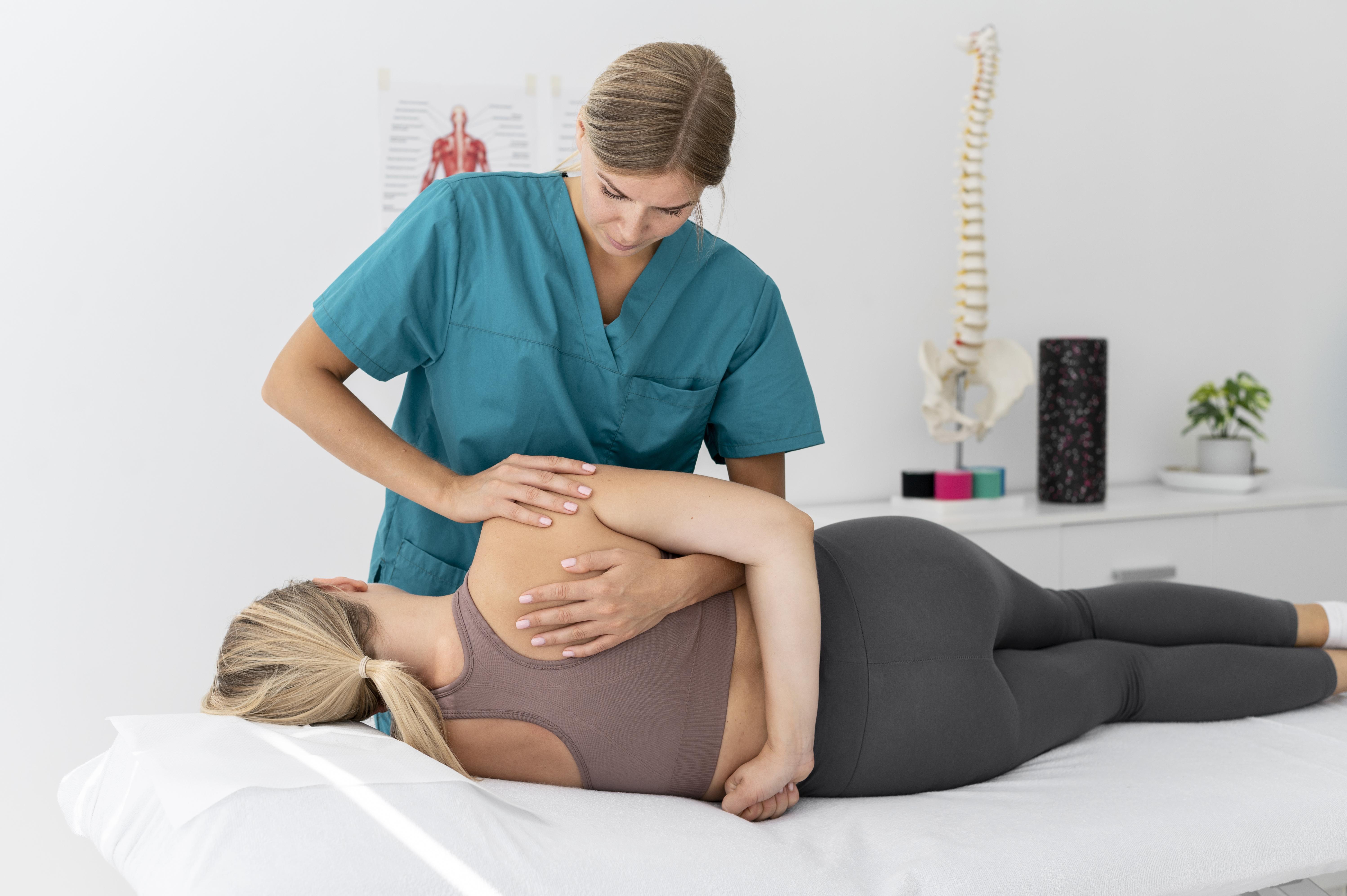
Rib fractures are painful injuries that require careful management to prevent complications. This comprehensive guide covers breathing exercises, pain management, and strategies for safe recovery from rib fractures.
Understanding rib fractures
Common causes
- Falls (especially in elderly)
- Direct trauma
- Car accidents
- Sports injuries
- Severe coughing
Treatment approach
- No cast or surgery usually
- Ribs heal naturally over 6-8 weeks
- Focus on pain management
- Preventing chest infections crucial
- Breathing exercises essential
Recovery timeline
Week 1-2: Acute phase
- Most painful period
- Breathing is difficult
- Movement limited by pain
- High risk of chest infection
Week 3-4: Improving phase
- Pain gradually reducing
- Breathing easier
- Increased mobility
- Return to light activities
Week 5-8: Healing phase
- Significant pain reduction
- Most activities possible
- Bone healing completing
- Some discomfort may persist
Beyond 8 weeks
- Full healing
- Return to all activities
- Occasional discomfort normal
- Full recovery by 3 months
Pain management
Medication
- Regular paracetamol: Take every 6 hours
- Ibuprofen: If suitable, reduces inflammation
- Stronger painkillers: If prescribed
- Take before exercises: Enables deep breathing
- Do not wait for severe pain: Stay ahead of it
Ice therapy
- Apply ice pack to area
- Wrap in towel
- 15-20 minutes, 3-4 times daily
- Especially first few days
- Reduces pain and inflammation
Positioning
- Sleep semi-upright (use pillows)
- Avoid lying flat initially
- Support with pillows
- Find comfortable position
Rib belt or support
Generally not recommended:
- Restricts breathing
- Increases chest infection risk
- May use briefly for movement
- Do not wear continuously
Breathing exercises
Why they are crucial
- Prevent chest infections
- Keep lungs clear
- Maintain lung capacity
- Reduce complications
- Aid recovery
Deep breathing exercise
- Sit upright or semi-reclined
- Place hand on abdomen
- Breathe in slowly through nose
- Feel abdomen rise
- Breathe out slowly through mouth
- Repeat 5-10 times
- Do every hour while awake
Incentive spirometry
If provided by hospital:
- Sit upright
- Seal lips around mouthpiece
- Breathe in slowly and deeply
- Try to raise indicator
- Hold breath 3-5 seconds
- Breathe out slowly
- Repeat 10 times, every hour
Huffing technique
To clear secretions:
- Take medium breath in
- Breathe out forcefully saying "huff"
- Keep mouth open
- Repeat 2-3 times
- Then cough if needed
- Do 3-4 times daily
Coughing technique
Supported coughing
- Sit upright
- Hold pillow firmly against ribs
- Take deep breath in
- Cough out forcefully
- Support reduces pain
- Essential to clear chest
When to cough
- If you feel mucus
- After breathing exercises
- Do not suppress cough
- Clearing chest is vital
Preventing chest infections
High-risk factors
- Older age
- Smoking
- Lung conditions (COPD, asthma)
- Multiple rib fractures
- Shallow breathing due to pain
Prevention strategies
- Do breathing exercises regularly
- Take adequate pain relief
- Stay mobile
- Sit upright regularly
- Avoid lying flat for long periods
- Stay hydrated
- Do not smoke
Warning signs of chest infection
- Increasing breathlessness
- Fever
- Productive cough (green/yellow phlegm)
- Feeling unwell
- Confusion (in elderly)
Action: Contact GP or call 111 if concerned
Mobility and movement
Importance of staying mobile
- Prevents chest infections
- Maintains general fitness
- Reduces stiffness
- Aids recovery
Safe movements
Getting out of bed
- Roll onto side
- Push up with arms
- Swing legs over edge
- Avoid twisting
Standing and walking
- Stand upright (do not hunch)
- Walk around house regularly
- Short frequent walks better than long
- Gradually increase distance
Movements to avoid initially
- Heavy lifting
- Pushing or pulling
- Twisting movements
- Reaching overhead
- Vigorous exercise
Gentle exercises
Shoulder movements
- Shoulder shrugs: 10 reps, 3 times daily
- Shoulder circles: 10 each way, 3 times daily
- Arm raises (gentle): 10 reps, twice daily
- Prevents shoulder stiffness
Trunk movements (after week 2)
- Gentle side bends: 5 each side, twice daily
- Gentle rotations: 5 each way, twice daily
- Only when pain allows
- Very gentle initially
Daily activities
Week 1-2
- Light personal care
- Short walks
- Sitting activities
- Avoid lifting
Week 3-4
- Most self-care tasks
- Light household tasks
- Short car journeys (as passenger)
- Light lifting (1-2 kg)
Week 5-8
- Return to most activities
- Driving (when comfortable)
- Light work tasks
- Gradual return to normal
Sleeping
Best positions
- Semi-reclined (use pillows)
- On uninjured side
- Support with pillows
- Recliner chair may help
Sleep tips
- Take pain relief before bed
- Use extra pillows for support
- Get comfortable before settling
- Have water nearby
- Keep phone accessible
Returning to activities
Driving
- When you can move freely
- Can perform emergency stop
- Usually 4-6 weeks
- Check with doctor
- Inform insurance
Work
- Desk work: 2-4 weeks
- Physical work: 6-8 weeks
- Heavy manual work: 8-12 weeks
- Phased return helpful
Exercise and sports
- Walking: Continue throughout
- Swimming: 6-8 weeks
- Gym: 8-12 weeks
- Contact sports: 12 weeks minimum
- Get medical clearance
When to seek urgent help
Call 999 if
- Severe breathlessness
- Chest pain worsening
- Coughing blood
- Feeling faint or dizzy
- Blue lips or fingers
Contact GP if
- Increasing breathlessness
- Fever or feeling unwell
- Productive cough
- Pain not improving
- Unable to do breathing exercises
Special considerations for elderly
Higher risk
- Chest infections more likely
- Recovery may be slower
- May need more support
- Risk of deconditioning
Additional support needed
- Help with daily tasks initially
- Supervision with mobility
- Regular monitoring
- Professional rehabilitation
The role of physiotherapy
Fracture / Broken Bones Rehabilitation (18+) provides:
- Breathing exercise instruction
- Pain management strategies
- Chest infection prevention
- Mobility guidance
- Exercise progression
- Support and monitoring
The bottom line
Successful rib fracture recovery requires:
- Adequate pain relief
- Regular breathing exercises
- Supported coughing
- Staying mobile
- Preventing chest infections
- Gradual return to activities
- Patience — healing takes 6-8 weeks
Rib fractures are painful but most people recover fully with appropriate management. The key is taking adequate pain relief to enable deep breathing and preventing chest infections through regular breathing exercises.
Need help with rib fracture recovery?
Our Fracture / Broken Bones Rehabilitation (18+) service provides expert physiotherapy for rib fractures, helping you with breathing exercises, pain management, and preventing complications. We work with you at home for safe, effective recovery.
Get in touch Learn about Fracture / Broken Bones Rehabilitation (18+)

About Lizzie Thornton
Lizzie Thornton is a specialist community physiotherapist with over 15 years of experience in fracture rehabilitation. She is HCPC registered and a member of the Chartered Society of Physiotherapy. Lizzie provides home physiotherapy visits across Staffordshire Moorlands and Cheshire East, helping people recover from fractures safely and effectively.