Rheumatoid Arthritis vs Osteoarthritis: Understanding the Key Differences
Published
Local Physiotherapist - Lizzie Thornton, Staffordshire Moorlands & Cheshire East
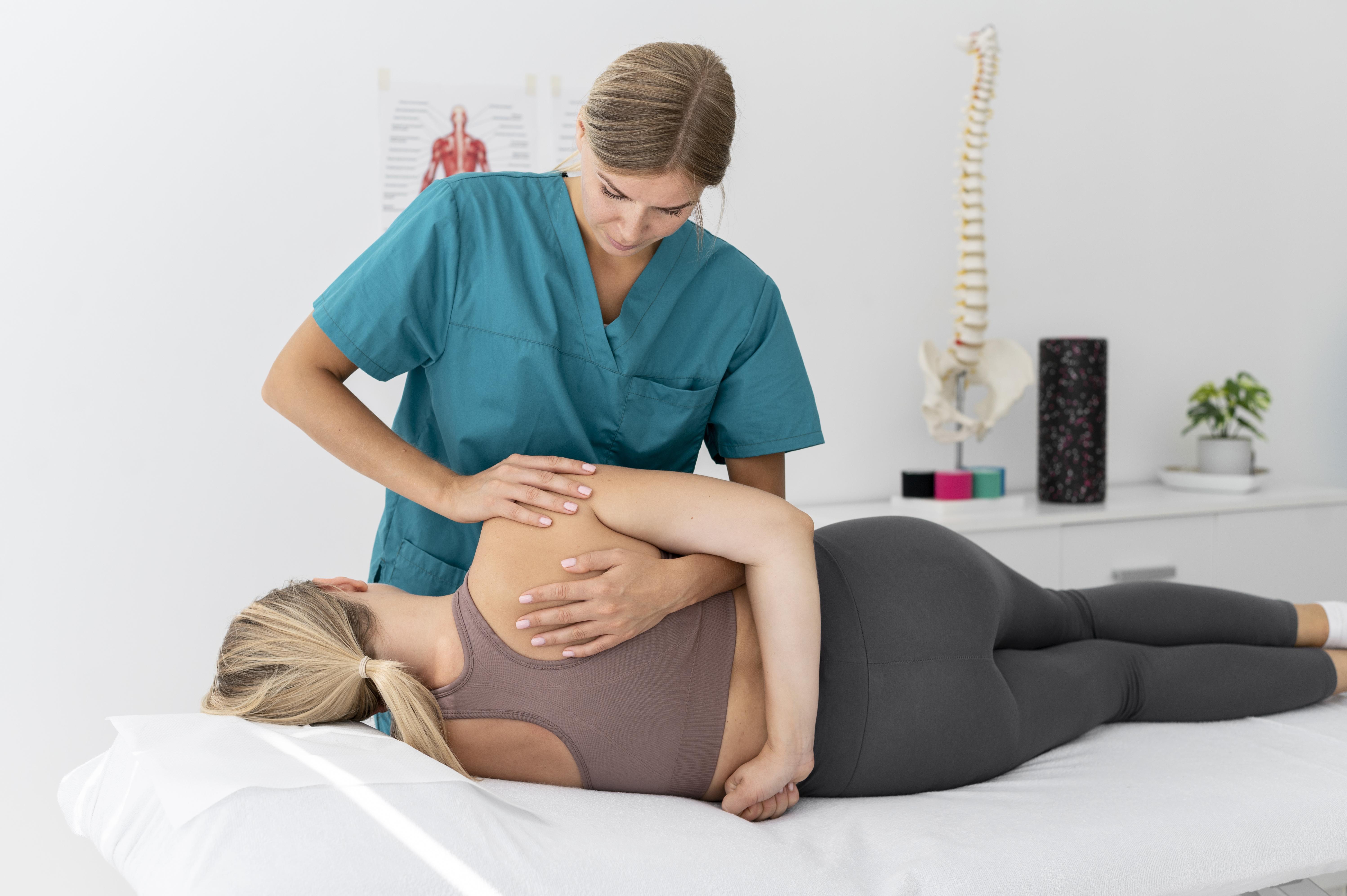
Rheumatoid arthritis and osteoarthritis are both forms of arthritis causing joint pain and stiffness, but they are fundamentally different conditions requiring different approaches. Understanding which type you have is crucial for effective management.
The fundamental difference
Osteoarthritis (OA) is a degenerative condition where joint cartilage gradually wears away, primarily affecting weight-bearing joints.
Rheumatoid arthritis (RA) is an autoimmune disease where the immune system attacks the joint lining, causing inflammation throughout the body.
Causes and risk factors
Osteoarthritis causes
- Age: Risk increases with age (most common over 50)
- Wear and tear: Years of joint use
- Previous injury: Old joint injuries increase risk
- Obesity: Extra weight stresses joints
- Genetics: Family history increases risk
- Occupation: Jobs involving repetitive joint stress
- Joint abnormalities: Born with joint problems
Rheumatoid arthritis causes
- Autoimmune: Immune system malfunction
- Genetics: Certain genes increase risk
- Environmental triggers: Smoking, infections
- Hormones: More common in women
- Age: Can occur at any age, often 40-60
Symptom comparison
Osteoarthritis symptoms
- Pain: Worsens with activity, improves with rest
- Stiffness: Morning stiffness lasting less than 30 minutes
- Affected joints: Usually knees, hips, hands, spine
- Pattern: Typically asymmetric (one side worse)
- Onset: Gradual, over years
- Swelling: Mild, bony enlargement
- Systemic symptoms: None
- Progression: Slow and steady
Rheumatoid arthritis symptoms
- Pain: Constant, may worsen with rest
- Stiffness: Morning stiffness lasting over 1 hour
- Affected joints: Often hands, wrists, feet, knees
- Pattern: Symmetric (both sides equally)
- Onset: Can be sudden, over weeks to months
- Swelling: Significant, soft tissue swelling
- Systemic symptoms: Fatigue, fever, weight loss
- Progression: Can be rapid without treatment
Joint involvement patterns
Osteoarthritis typically affects
- Knees
- Hips
- Base of thumb
- End joints of fingers (DIP joints)
- Spine (neck and lower back)
- Big toe
Rheumatoid arthritis typically affects
- Wrists
- Knuckles (MCP joints)
- Middle finger joints (PIP joints)
- Feet (MTP joints)
- Knees
- Shoulders
- Elbows
- Ankles
Key difference: RA rarely affects DIP joints (fingertips) or spine, while OA commonly does.
Diagnosis differences
Osteoarthritis diagnosis
- Clinical examination: Joint assessment
- X-rays: Show joint space narrowing, bone spurs
- Blood tests: Normal (used to rule out RA)
- Symptoms: Pattern consistent with OA
Rheumatoid arthritis diagnosis
- Blood tests: Rheumatoid factor (RF), anti-CCP antibodies
- Inflammatory markers: Elevated ESR and CRP
- X-rays or ultrasound: Show joint inflammation, erosions
- Clinical criteria: Number and pattern of affected joints
Treatment approaches
Osteoarthritis treatment
First-line treatments
- Exercise: Most important treatment
- Weight loss: If overweight
- Pain relief: Paracetamol, topical NSAIDs
- Physiotherapy: Strengthening and mobility
Additional options
- Oral NSAIDs (short-term)
- Joint injections (corticosteroids, hyaluronic acid)
- Walking aids
- Joint replacement surgery (if severe)
Rheumatoid arthritis treatment
Disease-modifying drugs (DMARDs)
- Methotrexate: First-line DMARD
- Biologics: If methotrexate insufficient
- JAK inhibitors: Newer option
- Goal: Achieve remission or low disease activity
Supportive treatments
- NSAIDs for pain and inflammation
- Corticosteroids (short-term for flares)
- Physiotherapy and exercise
- Occupational therapy
- Joint protection strategies
Exercise differences
Exercise for osteoarthritis
- Focus: Strengthening muscles around affected joints
- Intensity: Can be moderate to vigorous
- Frequency: Daily exercise encouraged
- Type: Weight-bearing exercise beneficial
- Approach: Push through mild discomfort
Exercise for rheumatoid arthritis
- Focus: Maintaining range of motion and function
- Intensity: Gentle to moderate, adapted to disease activity
- Frequency: Regular but adapted to flares
- Type: Low-impact preferred during active disease
- Approach: More cautious during flares
Specialist arthritis physiotherapy ensures your exercise programme is appropriate for your specific type of arthritis.
Prognosis and outlook
Osteoarthritis prognosis
- Progressive but slow
- Symptoms can be well-managed
- Does not affect other body systems
- Quality of life can remain good
- Joint replacement very successful if needed
- Not life-threatening
Rheumatoid arthritis prognosis
- Variable course — can be mild or severe
- Early aggressive treatment crucial
- Can affect other organs (heart, lungs, eyes)
- Modern treatments have dramatically improved outcomes
- Many achieve remission with treatment
- Requires ongoing monitoring
- Slightly reduced life expectancy if poorly controlled
Living with each condition
Osteoarthritis daily management
- Stay active with regular exercise
- Manage weight
- Use heat or cold for pain relief
- Pace activities
- Use walking aids if helpful
- Take pain relief as needed
- Consider joint replacement if quality of life poor
Rheumatoid arthritis daily management
- Take medications exactly as prescribed
- Attend regular monitoring appointments
- Report flares promptly
- Balance activity with rest
- Use joint protection techniques
- Manage fatigue
- Stay vigilant for complications
Can you have both?
Yes, it is possible to have both conditions, though uncommon. This is called "overlap syndrome" and requires management of both conditions simultaneously.
When to see a doctor
Suspected osteoarthritis
- Persistent joint pain affecting daily activities
- Morning stiffness lasting less than 30 minutes
- Pain worsening over months to years
- Difficulty with stairs, walking, or daily tasks
Suspected rheumatoid arthritis (urgent)
- Sudden onset of joint pain and swelling
- Multiple joints affected symmetrically
- Morning stiffness lasting over 1 hour
- Fatigue, fever, or feeling unwell
- Swelling in hands, wrists, or feet
Important: Early treatment of RA is crucial to prevent joint damage. See your GP promptly if you suspect RA.
Common misconceptions
Myth: All arthritis is the same
Fact: There are over 100 types of arthritis. OA and RA are completely different conditions requiring different treatments.
Myth: Exercise makes arthritis worse
Fact: Exercise is beneficial for both OA and RA, though the approach may differ.
Myth: Arthritis only affects older people
Fact: While OA is more common in older adults, RA can affect people of any age, including children.
Myth: Nothing can be done for arthritis
Fact: Both conditions have effective treatments that can significantly improve quality of life.
The role of physiotherapy
Physiotherapy is beneficial for both conditions but with different emphases:
For osteoarthritis
- Strengthening exercises
- Weight-bearing activity
- Gait retraining
- Pain management techniques
- Pre-operative conditioning if surgery planned
For rheumatoid arthritis
- Gentle range of motion exercises
- Adapted exercise during flares
- Joint protection education
- Fatigue management
- Splinting advice
The bottom line
Key differences between OA and RA:
- Cause: OA is wear and tear; RA is autoimmune
- Onset: OA gradual; RA can be sudden
- Pattern: OA asymmetric; RA symmetric
- Stiffness: OA brief; RA prolonged
- Systemic effects: OA none; RA affects whole body
- Treatment: OA focuses on exercise and pain relief; RA requires disease-modifying drugs
- Urgency: OA managed gradually; RA needs prompt treatment
Understanding which type of arthritis you have ensures you receive the right treatment and can manage your condition effectively.
Need help managing arthritis?
Our physiotherapy service provides tailored exercise programmes for both osteoarthritis and rheumatoid arthritis. We adapt our approach to your specific condition, symptoms, and goals, helping you stay active and manage pain effectively.

About Lizzie Thornton
Lizzie Thornton is a specialist community physiotherapist with over 15 years of experience managing both osteoarthritis and rheumatoid arthritis. She is HCPC registered and a member of the Chartered Society of Physiotherapy. Lizzie provides home physiotherapy visits across Staffordshire Moorlands and Cheshire East, helping people with all types of arthritis stay active and manage their symptoms.