Breathlessness, Pacing and Respiratory Physiotherapy in Cambridgeshire
Published · 8 min read
Local Physiotherapist — Avais Kawos, Cambridgeshire
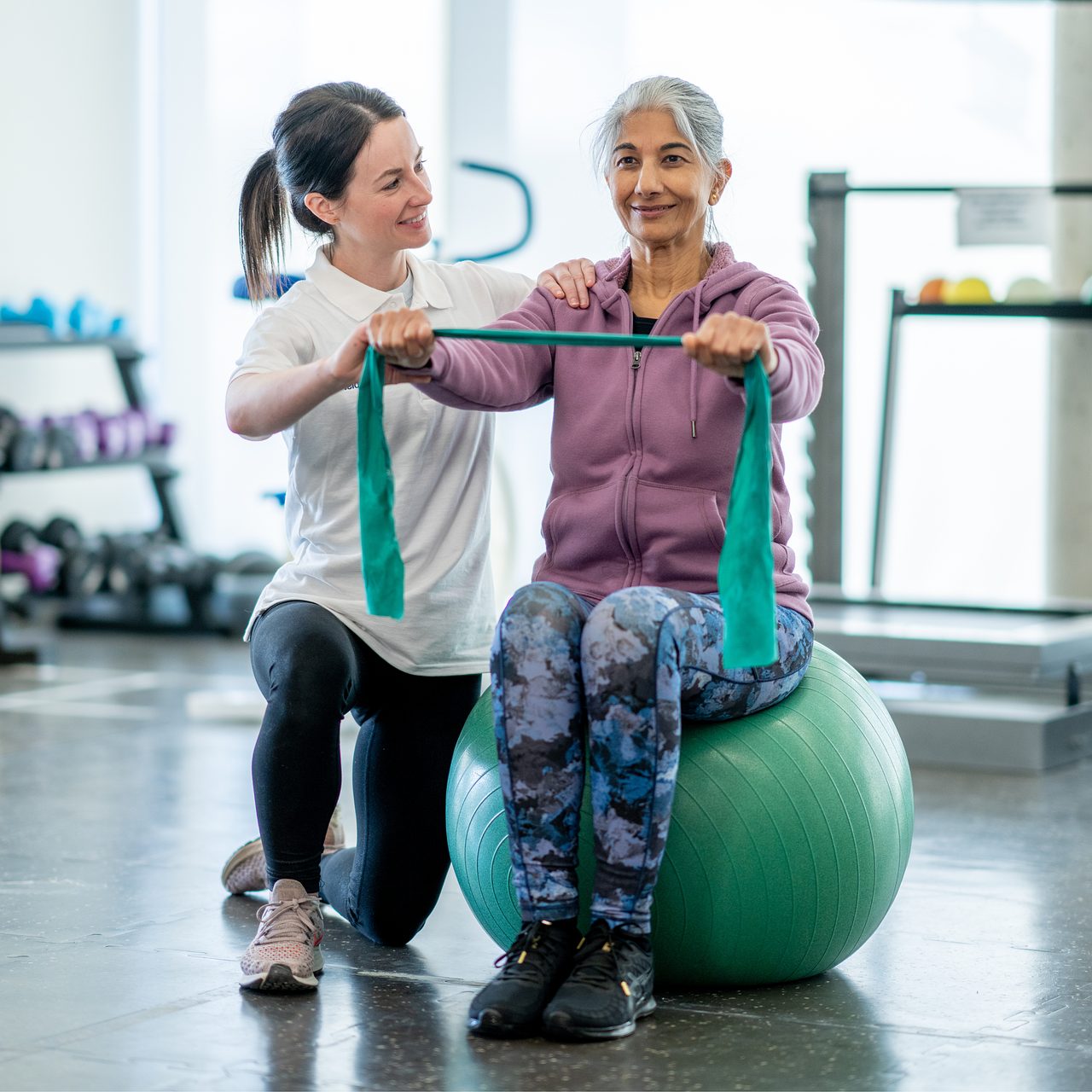
When breathlessness makes daily movement feel risky, pacing and graded activity can help rebuild confidence without boom-and-bust cycles.
Why pacing is part of respiratory rehab
Breathlessness often leads people to avoid activity. Then the body becomes less conditioned, which makes ordinary tasks feel even more breathless. Pacing helps activity become more predictable so progress can build without repeated crashes.
What Avais may assess
Avais can assess breathing pattern, walking tolerance, sit-to-stand, fatigue, confidence, strength, stairs and the daily routines that trigger breathlessness. He can then build a graded plan around the home.
What sessions may include
Respiratory physiotherapy may include breathing control, recovery positions, pacing strategies, graded walking, strength exercises, monitoring advice and ways to break tasks into manageable steps.
How this supports the existing respiratory guide
The broader respiratory physiotherapy guide covers both counties. This article focuses on Cambridgeshire and the practical problem of pacing when breathlessness interrupts daily movement.
Local links
See respiratory physiotherapy in Cambridge, Peterborough, St Ives, March and respiratory physiotherapy services.
Frequently asked questions
Can respiratory physiotherapy help after pneumonia?
It may help with pacing, stamina and confidence once the person is medically stable and safe to exercise.
Do I need equipment?
Usually no. Many plans use walking, sit-to-stand and simple strengthening adapted to symptoms.
When should I seek urgent help?
Severe or sudden breathlessness, chest pain, blue lips, confusion or collapse need urgent medical attention.

About Avais Kawos
Avais Kawos is an HCPC registered physiotherapist with NHS community, intermediate care, stroke, musculoskeletal and respiratory rehabilitation experience. He provides private home physiotherapy across Northamptonshire and Cambridgeshire.