Remote Working: Staying Active and Healthy at Home
Published
Local Physiotherapist - Lizzie Thornton, Staffordshire Moorlands & Cheshire East
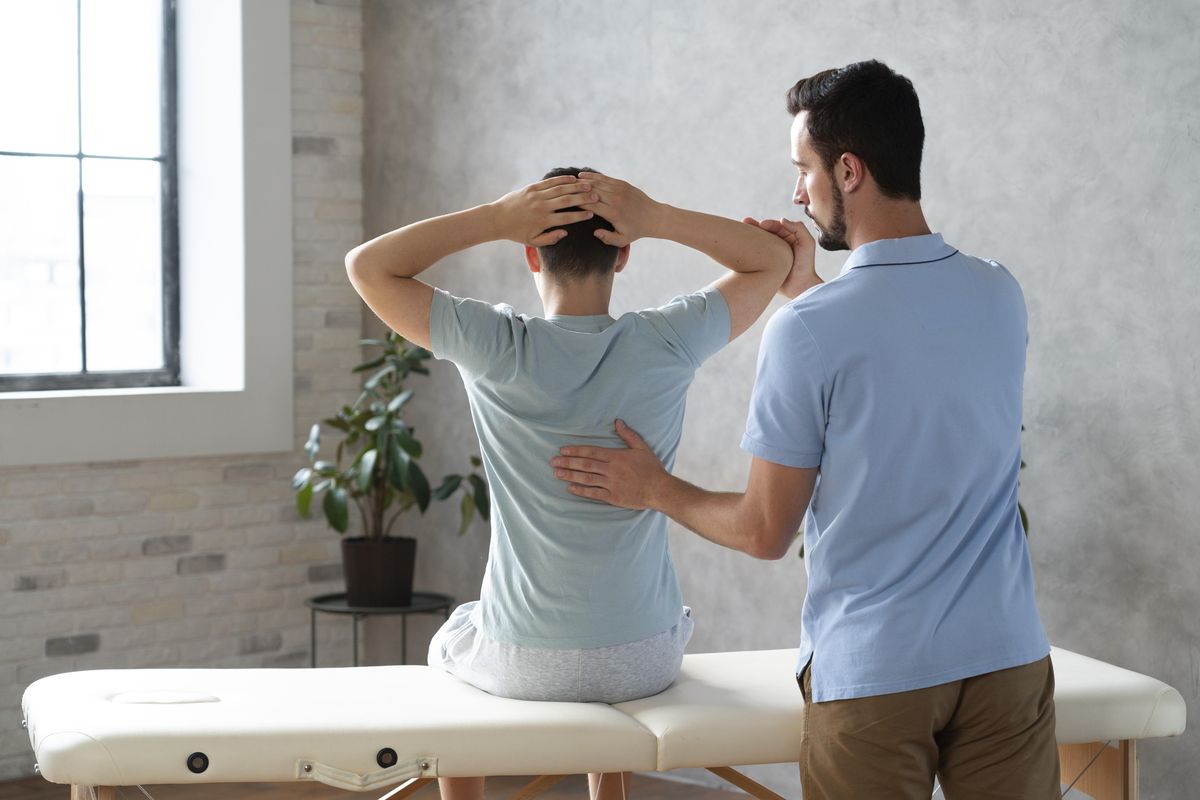
Remote working offers flexibility but can lead to sedentary habits and health issues. This comprehensive guide provides practical strategies to stay active, healthy, and productive while working from home.
Health challenges of remote working
Physical challenges
- Reduced daily movement
- No commute walking
- Makeshift workstations
- Prolonged sitting
- Poor posture
- Eye strain
- Musculoskeletal pain
- Weight gain
Mental and social challenges
- Isolation
- Blurred work-life boundaries
- Increased stress
- Reduced social interaction
- Difficulty switching off
- Lack of routine
Creating a healthy workspace
Dedicated workspace
- Separate work area if possible
- Good natural light
- Proper desk and chair
- Minimal distractions
- Professional environment
- Clear boundaries
Ergonomic setup
- Chair with back support
- Desk at correct height
- Monitor at eye level
- Keyboard and mouse positioned well
- Laptop on stand with external keyboard
- Footrest if needed
Building movement into your day
Morning routine
- Wake at consistent time
- Morning exercise or walk
- Shower and dress properly
- Healthy breakfast
- Commute replacement walk
- Start work at set time
During work hours
- Stand every 30 minutes
- Walk during phone calls
- Stairs instead of lift (if applicable)
- Active breaks every hour
- Lunchtime walk
- Stretch regularly
End of day routine
- Finish at set time
- Evening walk (commute replacement)
- Exercise session
- Change out of work clothes
- Clear workspace
- Transition activity
Exercise strategies
Lunchtime workouts (30 minutes)
- Brisk walk
- Home workout video
- Yoga or Pilates
- Cycling
- Bodyweight exercises
- Online class
Micro-workouts (5-10 minutes)
- Between meetings
- During breaks
- Squats and lunges
- Press-ups
- Plank holds
- Jumping jacks
- Stair climbing
Evening exercise (30-60 minutes)
- Gym session
- Exercise class
- Running or cycling
- Swimming
- Team sports
- Home workout
Desk-based exercises
Seated exercises
- Seated marching
- Ankle circles
- Shoulder rolls
- Neck stretches
- Seated twists
- Wrist circles
- Leg extensions
Standing exercises
- Calf raises
- Squats
- Lunges
- Wall press-ups
- Standing back extensions
- Hip circles
Managing screen time
Eye care
- 20-20-20 rule
- Blink regularly
- Screen at arm's length
- Reduce glare
- Appropriate brightness
- Regular eye tests
Reducing screen fatigue
- Limit unnecessary screen time
- Phone calls instead of video
- Paper-based tasks when possible
- Screen-free lunch break
- Evening digital detox
Nutrition and hydration
Healthy eating habits
- Regular meal times
- Prepare meals in advance
- Healthy snacks available
- Eat away from desk
- Avoid grazing
- Balanced diet
Hydration
- Water bottle at desk
- Aim for 2 litres daily
- Limit caffeine
- Herbal teas
- Set reminders
Mental wellbeing
Work-life balance
- Set clear working hours
- Take proper breaks
- Use all holiday
- Separate work and personal space
- Switch off notifications
- Protect personal time
Social connection
- Virtual coffee breaks
- Team video calls
- In-person meetups when possible
- Join clubs or groups
- Maintain friendships
- Co-working spaces occasionally
Stress management
- Regular exercise
- Mindfulness or meditation
- Breathing exercises
- Hobbies and interests
- Time in nature
- Adequate sleep
Daily activity targets
Minimum goals
- 10,000 steps daily
- Stand every 30 minutes
- 30 minutes moderate exercise
- 5 minutes stretching hourly
- 2 litres water
- 7-8 hours sleep
Optimal goals
- 12,000+ steps daily
- 60 minutes exercise
- Strength training 2-3x weekly
- Regular stretching
- Active hobbies
- Weekend activities
Tracking progress
Tools and apps
- Fitness tracker or smartwatch
- Step counter app
- Exercise apps
- Habit tracking apps
- Calendar blocking
- Reminders
What to track
- Daily steps
- Exercise sessions
- Water intake
- Sleep quality
- Energy levels
- Pain or discomfort
Overcoming barriers
Lack of motivation
- Schedule exercise like meetings
- Workout buddy (virtual or real)
- Variety in activities
- Set goals and rewards
- Track progress
- Join online communities
Limited space
- Bodyweight exercises
- Minimal equipment workouts
- Outdoor activities
- Online classes
- Creative use of furniture
Time constraints
- Short, frequent sessions
- Combine activities (walking meetings)
- Early morning workouts
- Efficient HIIT sessions
- Active commuting
Weekend wellness
Active weekends
- Longer walks or hikes
- Cycling trips
- Sports and activities
- Gardening
- DIY projects
- Active social activities
Recovery and rest
- Adequate sleep
- Relaxation time
- Hobbies
- Social connection
- Meal preparation
- Planning week ahead
The role of physiotherapy
Workplace Ergonomic Assessment provides:
- Home workspace assessment
- Ergonomic recommendations
- Exercise programmes
- Pain management
- Posture correction
- Injury prevention
- Virtual consultations available
The bottom line
Staying healthy while remote working requires:
- Proper workspace setup
- Regular movement breaks
- Daily exercise routine
- Healthy eating habits
- Work-life boundaries
- Social connection
- Consistent routines
- Self-care priorities
Remote working doesn't mean sacrificing your health. With intentional habits, proper setup, and regular activity, you can thrive working from home while maintaining excellent physical and mental wellbeing.
Need help with remote working health?
Our Workplace Ergonomic Assessment service includes home office assessments. We evaluate your setup, provide personalized recommendations, and help you stay healthy and pain-free while working remotely.

About Lizzie Thornton
Lizzie Thornton is a specialist community physiotherapist with over 15 years of experience in workplace health and ergonomics. She is HCPC registered and a member of the Chartered Society of Physiotherapy. Lizzie provides ergonomic assessments and physiotherapy across Staffordshire Moorlands and Cheshire East.