Recovering from Pneumonia: Exercises and Breathing Techniques
Published
Local Physiotherapist - Lizzie Thornton, Staffordshire Moorlands & Cheshire East
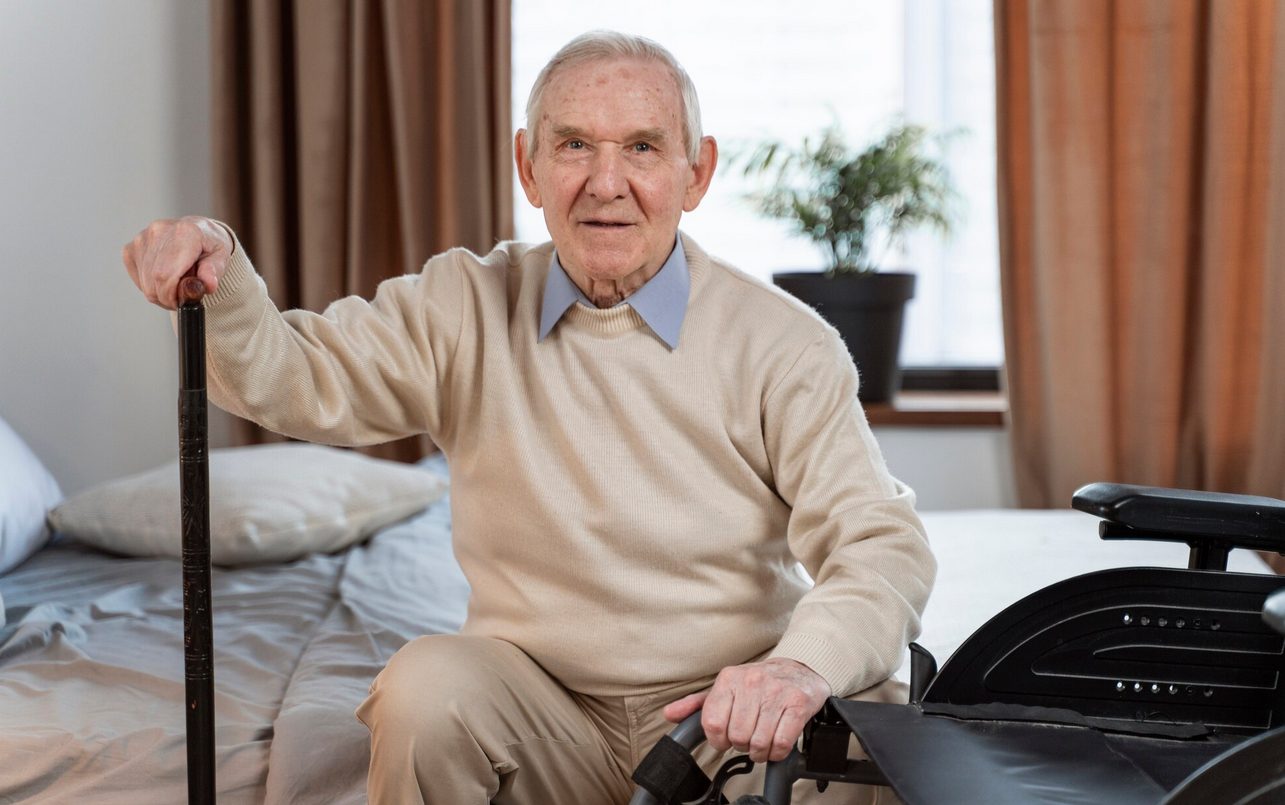
Recovering from pneumonia takes time and patience. Breathing exercises and gradual return to activity are essential for full recovery. This comprehensive guide covers everything you need to know about pneumonia rehabilitation.
Understanding pneumonia recovery
What happens during pneumonia
- Lung infection causes inflammation
- Air sacs fill with fluid
- Breathing becomes difficult
- Oxygen levels may drop
- Body fights infection
Recovery timeline
- Week 1: Acute illness, rest essential
- Weeks 2-3: Feeling better but still tired
- Weeks 4-6: Gradual return to activities
- Months 2-3: Most people fully recovered
- Elderly/severe cases: May take 6+ months
Common symptoms during recovery
- Fatigue (very common)
- Shortness of breath
- Persistent cough
- Weakness
- Reduced exercise tolerance
- Chest discomfort
Breathing exercises
Why breathing exercises are important
- Clear remaining secretions
- Expand lungs fully
- Prevent complications
- Improve oxygen levels
- Speed recovery
Deep breathing exercise
- Sit upright or semi-reclined
- Place hand on abdomen
- Breathe in slowly through nose
- Feel abdomen rise
- Breathe out slowly through mouth
- Repeat 5-10 times
- Do every hour while awake
Pursed lip breathing
- Breathe in through nose (2 counts)
- Purse lips as if whistling
- Breathe out slowly through pursed lips (4 counts)
- Helps control breathlessness
- Use during activities
Incentive spirometry
If provided by hospital:
- Sit upright
- Seal lips around mouthpiece
- Breathe in slowly and deeply
- Try to raise indicator
- Hold breath 3-5 seconds
- Breathe out slowly
- Repeat 10 times, every hour
Huffing and coughing
- Take medium breath in
- Breathe out forcefully saying "huff"
- Keep mouth open
- Repeat 2-3 times
- Then cough if needed to clear mucus
- Do 3-4 times daily
Gradual return to activity
Week 1-2: Rest and recovery
- Rest is essential
- Short walks around house
- Sit out of bed regularly
- Breathing exercises
- Light activities only
Week 3-4: Gentle activity
- Short walks outside (5-10 minutes)
- Light household tasks
- Sitting activities
- Continue breathing exercises
- Rest when tired
Week 5-8: Increasing activity
- Longer walks (15-20 minutes)
- Light strengthening exercises
- More household tasks
- Gradual return to normal routine
- Still need extra rest
Beyond 8 weeks: Continued improvement
- Return to most activities
- Exercise programme
- Back to work (if ready)
- Stamina gradually improving
Rebuilding strength and fitness
Walking programme
Week 1-2
- 5 minutes, twice daily
- Around house or garden
- Rest as needed
Week 3-4
- 10 minutes, twice daily
- Short outdoor walks
- Flat surfaces
Week 5-8
- 15-20 minutes, once or twice daily
- Gradually increase distance
- Can include gentle hills
Beyond 8 weeks
- 20-30 minutes daily
- Return to normal walking
- Build up gradually
Gentle strengthening exercises
Sitting exercises (start week 2-3)
- Arm raises: 10 reps, twice daily
- Knee lifts: 10 each leg, twice daily
- Ankle pumps: 20 reps, 3 times daily
For a fuller seated routine while you build strength back up, see our chair exercises for seniors.
Standing exercises (start week 4-5)
- Sit-to-stand: 5-10 reps, twice daily
- Heel raises: 10 reps, twice daily
- Marching on spot: 1 minute, twice daily
Managing fatigue
Understanding post-pneumonia fatigue
- Very common
- Can be severe
- Lasts weeks to months
- Gradually improves
- Not a sign of weakness
Energy conservation strategies
- Prioritize important activities
- Rest before becoming exhausted
- Break tasks into smaller parts
- Sit for tasks when possible
- Accept help from others
Pacing activities
- Balance activity and rest
- Don't overdo on good days
- Gradual increase in activity
- Listen to your body
- Rest is part of recovery
Nutrition for recovery
Protein
- Essential for healing
- Include at every meal
- Meat, fish, eggs, dairy, beans
- Protein shakes if appetite poor
Hydration
- Drink plenty of fluids
- Helps clear mucus
- 6-8 glasses daily
- Water, juice, soup
Balanced diet
- Fruits and vegetables
- Whole grains
- Adequate calories
- Small frequent meals if appetite poor
Preventing complications
Staying mobile
- Get up and dressed daily
- Avoid prolonged bed rest
- Move around regularly
- Prevents deconditioning
Breathing exercises
- Continue regularly
- Prevents further chest problems
- Clears remaining secretions
- Maintains lung function
Preventing recurrence
- Complete antibiotic course
- Flu vaccination
- Pneumonia vaccination if eligible
- Good hand hygiene
- Avoid smoking
When to seek help
Contact GP if
- Breathlessness worsening
- Cough worsening or blood in sputum
- Fever returns
- Chest pain
- Not improving as expected
- Feeling worse
Call 999 if
- Severe breathlessness
- Blue lips or fingers
- Confusion
- Coughing up blood
- Severe chest pain
Returning to work
When to return
- When feeling well enough
- Usually 4-6 weeks minimum
- Longer if physical job
- Discuss with doctor
- Consider phased return
Phased return
- Start with reduced hours
- Gradually increase
- Take breaks
- Discuss with employer
- May need several weeks
Special considerations for elderly
Longer recovery
- May take 3-6 months
- Higher risk of complications
- More support needed
- Risk of deconditioning
Additional support
- Help with daily tasks
- Supervision with mobility
- Regular monitoring
- Professional rehabilitation
- Nutritional support
The role of physiotherapy
Post-Illness Recovery & Reconditioning provides:
- Breathing exercise instruction
- Personalized exercise programme
- Gradual activity progression
- Fatigue management strategies
- Support and monitoring
- Prevention of deconditioning
The bottom line
Successful pneumonia recovery requires:
- Regular breathing exercises
- Gradual return to activity
- Adequate rest
- Good nutrition and hydration
- Patience with recovery
- Staying mobile
- Professional support if needed
Recovering from pneumonia takes time but most people make a full recovery. The key is doing breathing exercises regularly, gradually increasing activity, and being patient with the recovery process.
Need help recovering from pneumonia?
Our Post-Illness Recovery & Reconditioning service provides expert physiotherapy for pneumonia rehabilitation. We help you with breathing exercises, rebuilding strength, and returning to normal activities safely.
Get in touch Learn about Post-Illness Recovery & Reconditioning
About Lizzie Thornton
Lizzie Thornton is a specialist community physiotherapist with over 15 years of experience in respiratory rehabilitation and post-illness recovery. She is HCPC registered and a member of the Chartered Society of Physiotherapy. Lizzie provides home physiotherapy visits across Staffordshire Moorlands and Cheshire East.