Plantar Fasciitis: Treatment, Exercises and Heel Pain Relief
Published
Local Physiotherapist - Lizzie Thornton, Staffordshire Moorlands & Cheshire East
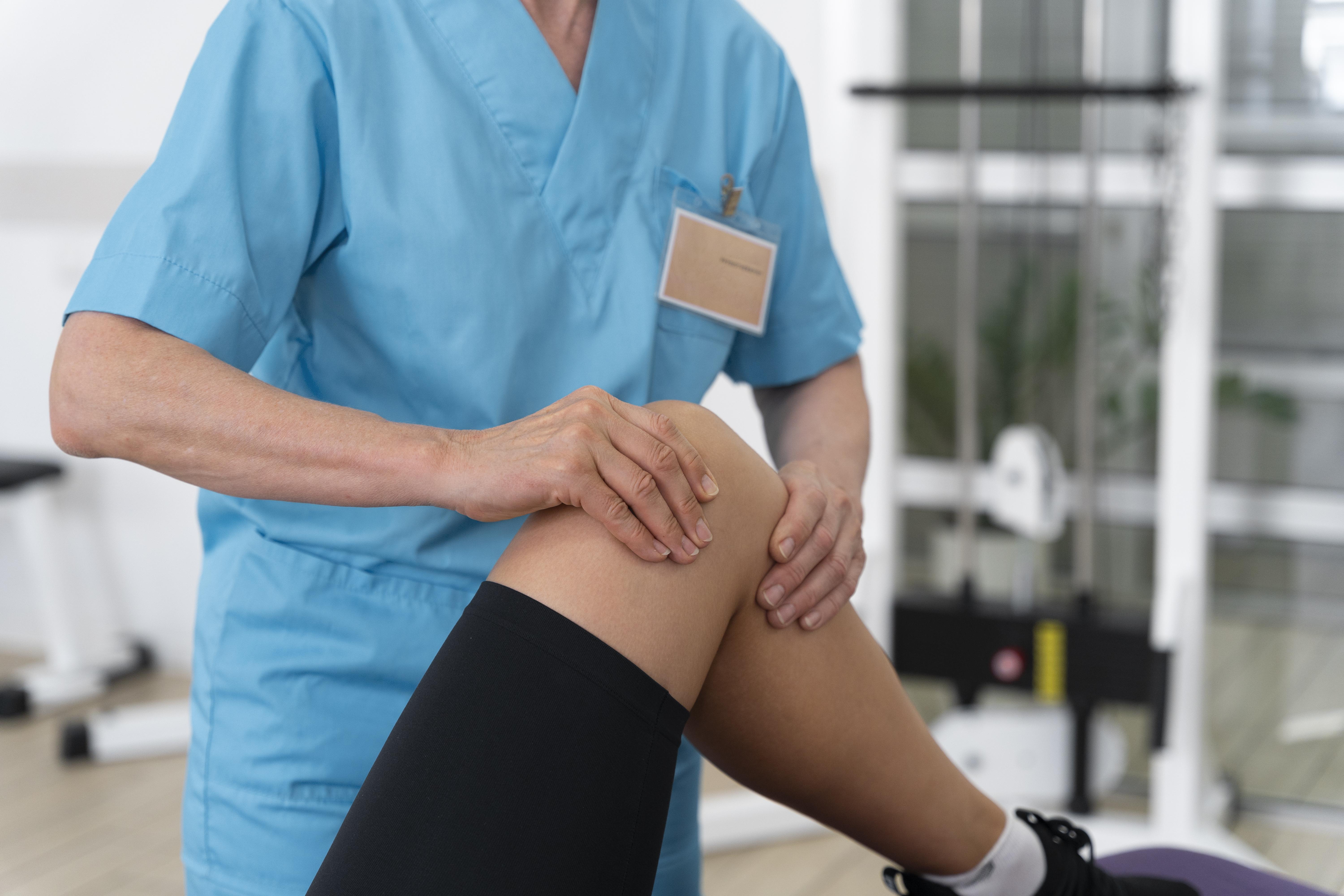
Plantar fasciitis is one of the most common causes of heel pain. Understanding effective treatment and doing the right exercises can significantly speed recovery. This comprehensive guide covers everything you need to know about managing plantar fasciitis.
Understanding plantar fasciitis
What is plantar fasciitis?
- Inflammation or degeneration of plantar fascia
- Thick band of tissue on bottom of foot
- Connects heel to toes
- Supports arch of foot
Common causes
- Overuse or sudden increase in activity
- Poor footwear
- Being overweight
- Tight calf muscles
- High or low arches
- Prolonged standing
- Age 40-60 most common
Typical symptoms
- Pain under heel or arch
- Worst with first steps in morning
- Pain after rest
- Improves with movement
- Worse after activity
- Gradual onset usually
Initial management
Activity modification
- Reduce high-impact activities
- Avoid barefoot walking
- Limit prolonged standing
- Continue gentle activity
- Avoid complete rest
Pain relief
- Ice: Roll foot on frozen water bottle
- 15 minutes, 3-4 times daily
- Paracetamol or ibuprofen
- Especially before bed
Footwear
- Supportive shoes at all times
- Good arch support
- Cushioned heel
- Avoid flip-flops and flat shoes
- Wear shoes first thing in morning
Exercises for plantar fasciitis
Stretching exercises
Plantar fascia stretch
- Sit with ankle on opposite knee
- Pull toes back towards shin
- Feel stretch in arch
- Hold 30 seconds
- Repeat 3 times, 3 times daily
- Especially important first thing in morning
Calf stretch (gastrocnemius)
- Stand facing wall
- Step back with affected leg
- Keep heel down, knee straight
- Lean into wall
- Hold 30 seconds
- Repeat 3 times, 3 times daily
Calf stretch (soleus)
- Same position as above
- Bend back knee slightly
- Keep heel down
- Feel stretch lower in calf
- Hold 30 seconds
- Repeat 3 times, 3 times daily
Towel stretch
- Sit with leg straight
- Loop towel around ball of foot
- Pull toes towards you
- Keep knee straight
- Hold 30 seconds
- Repeat 3 times, twice daily
Strengthening exercises
Toe curls
- Place towel on floor
- Use toes to scrunch towel
- 10 reps, twice daily
- Strengthens foot muscles
Marble pickups
- Place marbles on floor
- Pick up with toes
- Place in container
- 10 marbles, twice daily
Calf raises
- Stand holding support
- Rise up on toes
- Lower slowly
- 10-15 reps, twice daily
- Strengthens calf and foot
Self-massage
Foot rolling
- Sit or stand
- Roll foot on tennis ball or frozen water bottle
- Apply comfortable pressure
- Roll for 5 minutes
- 2-3 times daily
Treatment options
Physiotherapy
Joint Pain & Muscle Injury Treatment provides:
- Accurate diagnosis
- Personalized exercise programme
- Manual therapy
- Taping techniques
- Footwear advice
- Orthotic assessment
Orthotics
- Arch support insoles
- Heel cups
- Custom or off-the-shelf
- Can provide significant relief
- Wear in all shoes
Night splints
- Hold foot in stretched position overnight
- Prevents morning pain
- Can be uncomfortable
- Useful for stubborn cases
Taping
- Supports arch
- Reduces strain on fascia
- Temporary relief
- Learn from physiotherapist
Injections
- Corticosteroid injections
- Short-term relief
- Risk of fascia rupture
- Generally not first choice
Shockwave therapy
- High-energy sound waves
- Stimulates healing
- Some evidence of effectiveness
- Usually private treatment
Surgery
- Last resort only
- After 6-12 months conservative treatment
- Plantar fascia release
- Success rate variable
Daily management strategies
Morning routine
- Stretch before getting out of bed
- Put shoes on immediately
- Avoid barefoot walking
- Gentle ankle movements in bed
Throughout the day
- Wear supportive shoes always
- Take sitting breaks if standing job
- Ice after activity
- Regular stretching
Evening routine
- Ice foot
- Stretching exercises
- Foot massage
- Elevate if swollen
Activity modification
Exercise alternatives
- Swimming instead of running
- Cycling instead of walking
- Upper body exercises
- Maintain fitness without impact
Returning to activity
- Gradual progression
- Start with short distances
- Increase by 10% weekly
- Good footwear essential
- Warm up and stretch
Weight management
If overweight, losing weight helps:
- Reduces load on feet
- Decreases pain
- Speeds recovery
- Even small weight loss beneficial
Recovery timeline
Typical recovery
- Improvement within 4-6 weeks
- Significant improvement by 3 months
- Full recovery 6-12 months
- Can be stubborn condition
- Requires patience and consistency
Factors affecting recovery
- Duration of symptoms
- Body weight
- Activity level
- Footwear
- Consistency with treatment
Preventing plantar fasciitis
Footwear
- Supportive shoes
- Replace worn shoes
- Avoid flip-flops regularly
- Consider orthotics
Stretching
- Regular calf stretching
- Plantar fascia stretches
- Before and after exercise
- Daily routine
Activity management
- Gradual increase in activity
- Avoid sudden changes
- Mix high and low impact
- Adequate rest between activities
Maintain healthy weight
- Reduces stress on feet
- Prevents recurrence
- Overall health benefits
When to seek help
Consider professional help if:
- Pain not improving after 2-3 weeks
- Severe pain affecting walking
- Pain at night
- Numbness or tingling
- Swelling or redness
- Previous treatments failed
Common mistakes
- Walking barefoot: Worsens condition
- Ignoring morning stretches: Crucial for recovery
- Pushing through pain: Delays healing
- Poor footwear: Prevents recovery
- Stopping exercises too soon: High recurrence rate
The bottom line
Managing plantar fasciitis effectively requires:
- Regular stretching (especially calves)
- Supportive footwear always
- Activity modification
- Weight management if needed
- Patience with recovery
- Consistent exercise programme
- Professional guidance if not improving
Plantar fasciitis can be frustrating but most cases improve with appropriate treatment. The key is consistent stretching, proper footwear, and patience with the recovery process.
Need help with plantar fasciitis?
Our Joint Pain & Muscle Injury Treatment service provides expert assessment and treatment for plantar fasciitis. We provide effective exercises, footwear advice, and guide you to full recovery.
Get in touch Learn about Joint Pain & Muscle Injury Treatment

About Lizzie Thornton
Lizzie Thornton is a specialist community physiotherapist with over 15 years of experience treating plantar fasciitis and foot pain. She is HCPC registered and a member of the Chartered Society of Physiotherapy. Lizzie provides home physiotherapy visits across Staffordshire Moorlands and Cheshire East.