Muscle Strains: Treatment, Recovery and Prevention Guide
Published
Local Physiotherapist - Lizzie Thornton, Staffordshire Moorlands & Cheshire East
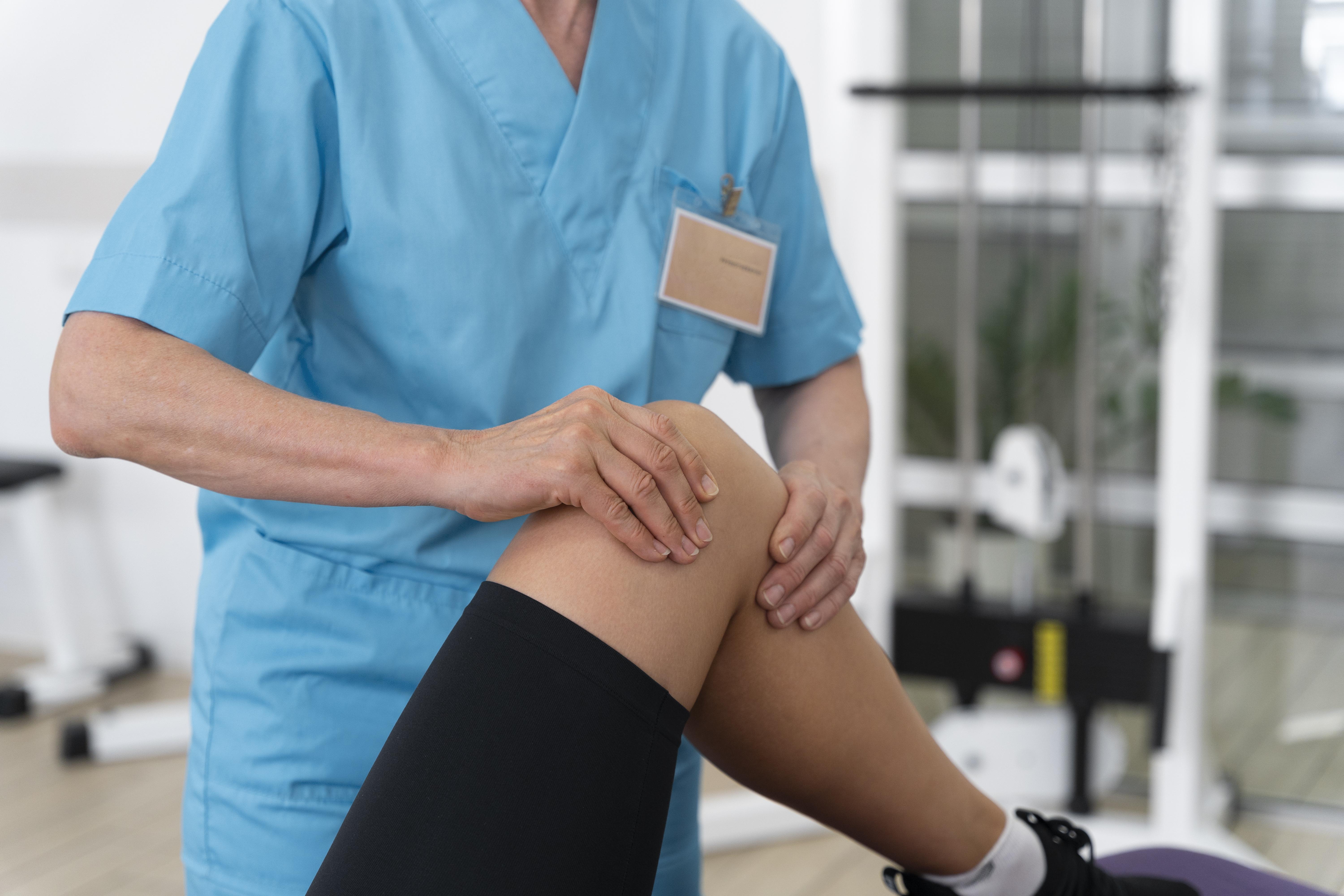
Muscle strains are common injuries that can occur during sports, exercise, or daily activities. Understanding proper treatment and rehabilitation is essential for full recovery and preventing re-injury. This comprehensive guide covers everything you need to know about muscle strains.
Understanding muscle strains
What is a muscle strain?
A muscle strain (or pulled muscle) is a tear in muscle fibers, ranging from mild to severe.
Grades of muscle strain
- Grade 1 (Mild): Few fibers torn, pain but full strength
- Grade 2 (Moderate): More fibers torn, pain and weakness
- Grade 3 (Severe): Complete tear, severe pain and loss of function
Commonly strained muscles
- Hamstrings (back of thigh)
- Quadriceps (front of thigh)
- Calf muscles
- Groin (adductors)
- Lower back
- Shoulder rotator cuff
Signs and symptoms
At time of injury
- Sudden sharp pain
- Popping or snapping sensation
- Immediate weakness
- Difficulty continuing activity
After injury
- Pain with movement
- Swelling
- Bruising (may appear later)
- Muscle spasm
- Stiffness
- Weakness
Immediate treatment (first 48-72 hours)
POLICE protocol
Protection
- Stop activity immediately
- Avoid movements that cause pain
- Use crutches if leg strain
- Support if arm strain
Optimal Loading
- Gentle movement within pain limits
- Not complete rest
- Avoid aggravating activities
- Light activities encouraged
Ice
- Apply ice pack
- 15-20 minutes every 2-3 hours
- Wrap in towel
- For first 48-72 hours
Compression
- Compression bandage
- Not too tight
- Reduces swelling
- Remove at night
Elevation
- Raise injured area above heart
- When resting
- Reduces swelling
What to avoid (first 72 hours)
- Heat: Increases bleeding and swelling
- Alcohol: Increases bleeding and swelling
- Running/vigorous activity: Worsens injury
- Massage: Can increase bleeding initially
Recovery timeline
Grade 1 strain
- Return to activity: 2-3 weeks
- Full recovery: 3-4 weeks
Grade 2 strain
- Return to activity: 4-8 weeks
- Full recovery: 8-12 weeks
Grade 3 strain
- May require surgery
- Return to activity: 3-6 months
- Full recovery: 6-12 months
Rehabilitation phases
Phase 1: Protection (Days 1-3)
Goals: Reduce pain and swelling
- POLICE protocol
- Pain relief
- Gentle movement only
- No stretching yet
Phase 2: Early mobilization (Days 3-7)
Goals: Restore pain-free movement
- Gentle active movements
- Pain-free range of motion
- Very gentle stretching
- Light isometric exercises
Phase 3: Progressive loading (Weeks 1-4)
Goals: Restore strength
- Progressive strengthening
- Increased range of motion
- Functional exercises
- Gradual return to activity
Phase 4: Return to function (Weeks 4+)
Goals: Full return to activity
- Sport-specific training
- High-intensity exercises
- Plyometrics if appropriate
- Gradual return to sport
Rehabilitation exercises
Early exercises (Phase 2)
Gentle range of motion
- Move muscle through pain-free range
- 10 reps, 3-4 times daily
- Should not increase pain
Isometric exercises
- Contract muscle without movement
- Hold 5 seconds
- 10 reps, 3 times daily
- Builds strength without stress
Strengthening exercises (Phase 3)
Resistance exercises
- Use resistance bands or weights
- Start light, progress gradually
- 10-15 reps, twice daily
- Should feel effort, not pain
Eccentric exercises
- Lowering phase of movement
- Particularly important for hamstrings
- Slow controlled movements
- Prevents re-injury
Advanced exercises (Phase 4)
Functional movements
- Sport-specific patterns
- Multi-directional movements
- Increased speed
- Plyometrics if appropriate
Stretching guidelines
When to start stretching
- Not in first 48-72 hours
- Start gently after acute phase
- Pain-free stretching only
- Progress gradually
How to stretch safely
- Warm up first
- Gentle sustained stretch
- Hold 30 seconds
- No bouncing
- Should feel stretch, not pain
- Repeat 3 times, twice daily
Return to activity
Criteria for return
- No pain at rest
- Full pain-free range of motion
- Strength equal to other side
- Can perform sport-specific movements
- Confident in injured area
Gradual progression
- Walking/light jogging
- Running straight lines
- Change of direction
- Sprinting
- Sport-specific drills
- Full training
- Competition
Return too soon risks
- Re-injury (very common)
- Chronic pain
- Scar tissue formation
- Compensatory injuries
- Longer overall recovery
Preventing muscle strains
Warm-up properly
- 5-10 minutes light cardio
- Dynamic stretching
- Sport-specific movements
- Gradually increase intensity
Maintain flexibility
- Regular stretching routine
- After exercise when warm
- Hold stretches 30 seconds
- All major muscle groups
Build strength
- Regular strength training
- Include eccentric exercises
- Balance muscle groups
- 2-3 times weekly
Progress gradually
- Increase training load slowly
- 10% rule (increase by max 10% weekly)
- Allow recovery time
- Listen to your body
Stay hydrated
- Drink before, during, after exercise
- Dehydration increases injury risk
- Especially in hot weather
When to seek professional help
See doctor urgently if
- Severe pain
- Cannot weight bear (if leg)
- Significant swelling
- Deformity
- Numbness or tingling
- Suspected complete tear
Consider physiotherapy if
Joint Pain & Muscle Injury Treatment helps with:
- Accurate diagnosis and grading
- Personalized rehabilitation programme
- Progression guidance
- Return to sport planning
- Preventing re-injury
- Hands-on treatment
Common mistakes to avoid
- Returning too soon: High re-injury risk
- Complete rest: Delays healing
- Ignoring pain: Worsens injury
- Skipping rehabilitation: Incomplete recovery
- Not addressing cause: Likely to recur
The bottom line
Successful muscle strain recovery requires:
- Immediate appropriate treatment (POLICE)
- Gradual progressive rehabilitation
- Patience with recovery timeline
- Proper strengthening before return
- Addressing underlying causes
- Prevention strategies long-term
Most muscle strains heal well with appropriate treatment and rehabilitation. The key is not rushing back to activity and completing a full rehabilitation programme to prevent re-injury.
Need help with muscle strain recovery?
Our Joint Pain & Muscle Injury Treatment service provides expert assessment and rehabilitation for muscle strains. We guide you through safe recovery and help prevent re-injury with personalized treatment.
Get in touch Learn about Joint Pain & Muscle Injury Treatment

About Lizzie Thornton
Lizzie Thornton is a specialist community physiotherapist with over 15 years of experience treating muscle strains and sports injuries. She is HCPC registered and a member of the Chartered Society of Physiotherapy. Lizzie provides home physiotherapy visits across Staffordshire Moorlands and Cheshire East.