Mobility Aids: Choosing and Using Correctly for Seniors
Published
Local Physiotherapist - Lizzie Thornton, Staffordshire Moorlands & Cheshire East
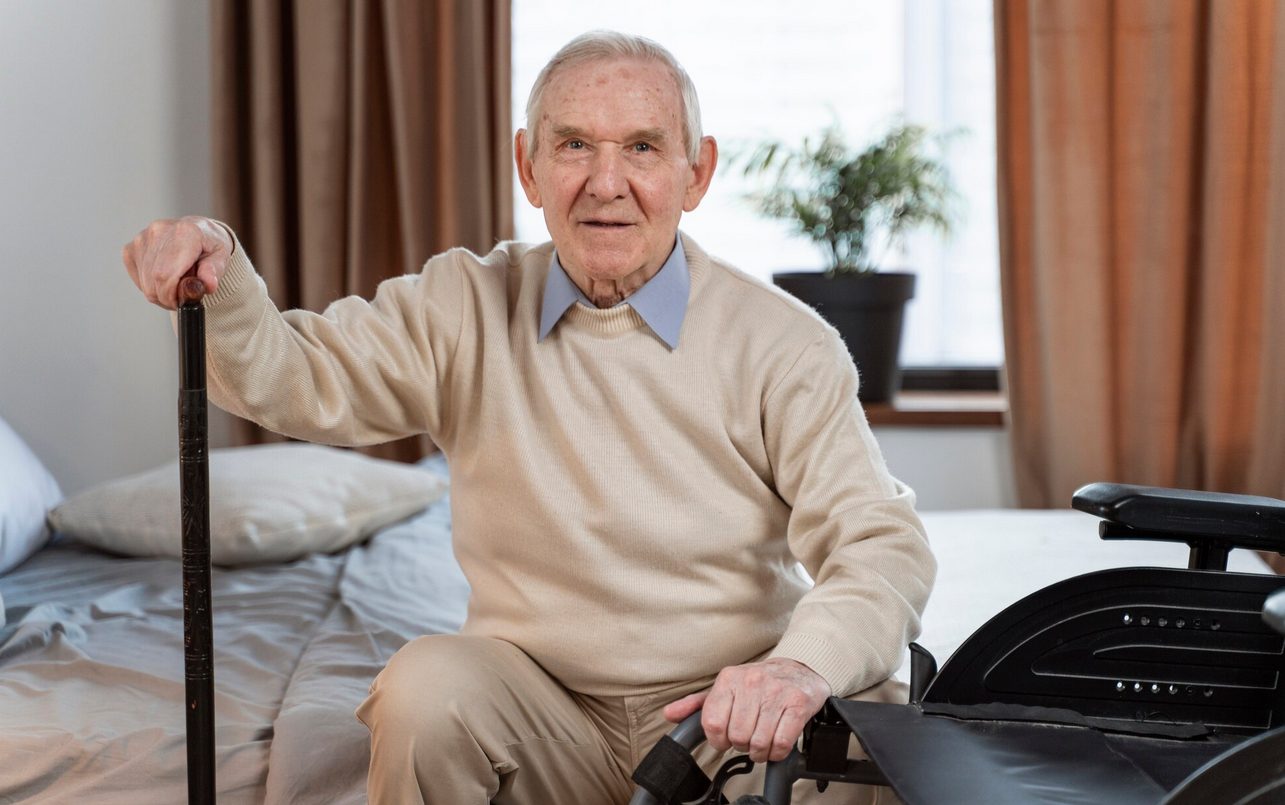
Mobility aids enable independence and safety for older adults. This comprehensive guide covers types of aids, how to choose the right one, correct usage techniques, and maintaining your equipment for optimal safety and function.
When you need a mobility aid
Signs you could benefit
- Unsteady on feet
- Fear of falling
- Previous falls
- Joint pain affecting walking
- Reduced stamina
- Difficulty with balance
- Recovering from illness or surgery
- Neurological conditions
- Breathlessness when walking
Benefits of mobility aids
- Improved stability and balance
- Reduced fall risk
- Increased confidence
- Less pain (offloads joints)
- Greater independence
- Ability to walk further
- Faster recovery after illness
- Maintains social participation
Types of mobility aids
Walking sticks
Best for: Mild balance problems, slight weakness, minor joint pain
- Provides minimal support
- Improves balance
- Easy to use
- Portable
- Least restrictive
- Various styles available
Quad sticks (four-point)
Best for: Moderate balance problems, more support needed
- More stable than single stick
- Can stand alone
- Heavier than single stick
- Slower to use
- Good for indoor use
Elbow crutches
Best for: Temporary use after injury, offloading one leg
- Good support
- Offloads weight effectively
- Requires good arm strength
- Usually used in pairs
- Not ideal for long-term
Walking frames (Zimmer)
Best for: Significant balance problems, major weakness
- Maximum stability
- Four points of contact
- Excellent support
- Slower walking speed
- Difficult on stairs
- Best for indoor use
Wheeled walkers (rollators)
Best for: Those who need support but can walk fairly well
- Easier to use than frame
- Faster walking speed
- Usually has seat and basket
- Brakes for safety
- Good for outdoors
- Requires good cognition
- Three or four wheels
Wheelchairs
Best for: Unable to walk or very limited walking
- Self-propelled or attendant-pushed
- For longer distances
- Conserves energy
- Various types available
- Requires space
- Professional assessment essential
Choosing the right aid
Factors to consider
- Level of support needed
- Where you'll use it (indoors/outdoors)
- Your strength and stamina
- Cognitive ability
- Home environment (space, stairs)
- Distance you need to walk
- Need to carry items
- Transport considerations
Professional assessment
Walking Frames & Equipment Assessment & Advice ensures:
- Right type for your needs
- Correct height adjustment
- Proper technique training
- Safety considerations addressed
- Review as needs change
Correct height adjustment
Walking stick/crutch
- Stand upright in normal shoes
- Arms relaxed by sides
- Top of stick should reach wrist crease
- When holding stick, elbow bent 15-20 degrees
- Adjust as needed
- Check regularly
Walking frame/rollator
- Stand upright inside frame
- Hands on handles
- Elbows bent 15-20 degrees
- Shoulders relaxed
- Adjust handles to correct height
- Should feel comfortable
Why height matters
- Too high: Shoulders hunched, poor posture, less control
- Too low: Leaning forward, back pain, unsafe
- Correct height: Comfortable, safe, effective support
Using a walking stick correctly
Which hand?
- Hold in opposite hand to weak/painful leg
- Example: right knee pain = stick in left hand
- Provides support when weak leg takes weight
- Improves balance
Walking technique
- Move stick forward with weak leg
- Place stick about 15cm to side and forward
- Step through with strong leg
- Lean slightly on stick as weak leg takes weight
- Maintain good posture
- Look ahead, not down
Stairs with stick
- Up: Good leg up first, then stick and weak leg
- Down: Stick and weak leg down first, then good leg
- Remember: "Up with the good, down with the bad"
- Always use handrail if available
- Take your time
Using a walking frame correctly
Standard frame technique
- Stand inside frame
- Lift and place frame forward (one frame length)
- Walk into frame
- Don't walk too close to front bar
- Repeat
- Keep frame close
Common mistakes
- Placing frame too far forward
- Walking behind frame
- Leaning too heavily
- Looking down
- Moving too quickly
- Not lifting frame properly
Using a rollator correctly
Walking technique
- Stand upright inside rollator
- Push rollator forward
- Walk with rollator (don't push ahead)
- Keep rollator close to body
- Maintain good posture
- Use brakes when stopping
Using brakes
- Squeeze to slow down
- Push down to lock
- Always lock before sitting
- Check brakes regularly
- Test before each use
Sitting on rollator
- Lock brakes
- Turn around
- Back up to seat
- Lower slowly onto seat
- Never sit without locking brakes
- Use armrests if available
Safety tips
General safety
- Check aid before each use
- Ensure rubber tips in good condition
- Keep aid clean and dry
- Check height adjustment secure
- Replace worn parts
- Use correctly - don't improvise
- Store safely
Home hazards
- Remove loose rugs
- Clear clutter
- Ensure good lighting
- Secure trailing wires
- Consider grab rails
- Non-slip flooring
Outdoor safety
- Extra caution on wet surfaces
- Avoid uneven ground initially
- Be careful on slopes
- Watch for curbs
- Consider all-terrain tips for rough ground
- Plan routes carefully
Maintaining your mobility aid
Regular checks
- Rubber tips - replace if worn
- Screws and bolts - ensure tight
- Height adjustment - check secure
- Brakes (rollator) - test regularly
- Wheels (rollator) - check for damage
- Frame - check for cracks or damage
- Handles - ensure secure
Cleaning
- Wipe down regularly
- Use mild detergent
- Dry thoroughly
- Check after cleaning
- Clean wheels if applicable
When to replace
- Worn rubber tips
- Damaged frame
- Loose or broken parts
- No longer appropriate for needs
- Safety concerns
Overcoming stigma
Common concerns
- "I'll look old"
- "People will think I'm disabled"
- "I'm giving in"
- "I don't need it yet"
- "It's embarrassing"
Reality check
- Mobility aids enable independence
- They prevent falls and injuries
- Allow you to stay active
- Many stylish options available
- Using aid is smart, not weak
- Better than falling
- Maintains quality of life
When to upgrade or change
Signs you need different aid
- Current aid not providing enough support
- Struggling to use current aid
- Condition has changed
- Falls despite using aid
- Pain when using aid
- Aid damaged or worn
- Lifestyle changes
Progression pathway
- None → Stick → Rollator → Frame
- Or reverse as you improve
- Regular review important
- Don't stick with wrong aid
- Needs change over time
Funding and costs
NHS provision
- Some aids available free
- Through hospital or GP
- Limited choice
- May be loan equipment
- Assessment required
Buying privately
- More choice
- Keep permanently
- Various price ranges
- Shop around
- Consider second-hand carefully
Charities and grants
- Some charities provide aids
- Grants may be available
- Local schemes
- Ask social services
The role of physiotherapy
Walking Frames & Equipment Assessment & Advice provides:
- Professional assessment of needs
- Recommendation of appropriate aid
- Correct fitting and adjustment
- Training in safe use
- Gait re-education
- Regular review and adjustment
- Advice on progression
The bottom line
Successful use of mobility aids requires:
- Choosing the right type
- Correct height adjustment
- Proper technique
- Regular maintenance
- Professional assessment
- Willingness to use when needed
- Regular review
- Safety awareness
Mobility aids are tools for independence, not signs of weakness. Used correctly, they can significantly improve your safety, confidence, and quality of life, enabling you to stay active and independent for longer.
Need help choosing a mobility aid?
Our Walking Frames & Equipment Assessment & Advice service provides expert assessment and guidance. We help you choose the right aid, ensure correct fitting, and teach you to use it safely and effectively.
Get in touch Learn about Walking Frames & Equipment Assessment & Advice

About Lizzie Thornton
Lizzie Thornton is a specialist community physiotherapist with over 15 years of experience in mobility assessment and equipment provision. She is HCPC registered and a member of the Chartered Society of Physiotherapy. Lizzie provides physiotherapy across Staffordshire Moorlands and Cheshire East.