Maintaining Independence in Older Age: Exercise and Lifestyle Tips
Published
Local Physiotherapist - Lizzie Thornton, Staffordshire Moorlands & Cheshire East
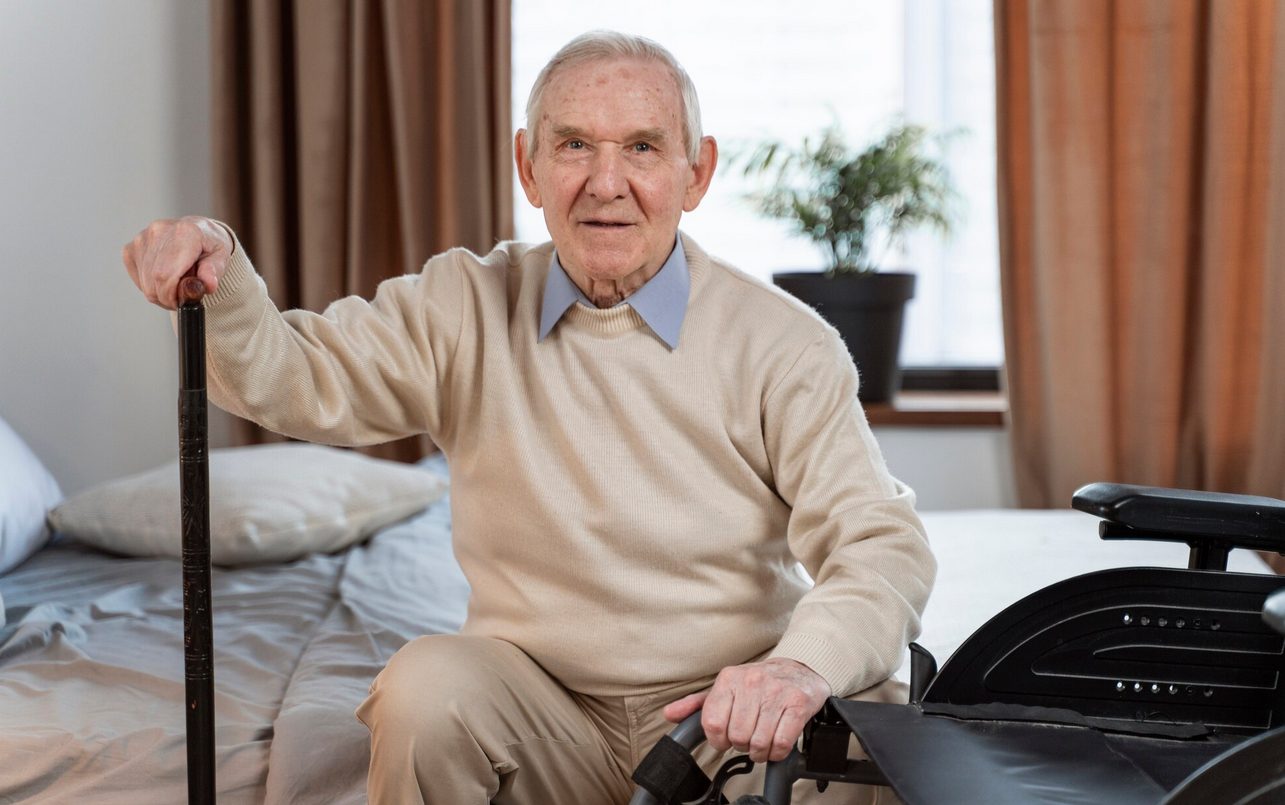
Independence is precious at any age, but particularly important as we get older. The good news is that with the right approach to exercise, lifestyle, and support, most people can maintain their independence well into their later years.
Key components of independence
- Physical ability: Strength, balance, mobility
- Cognitive function: Memory, decision-making
- Self-care: Personal hygiene, dressing, eating
- Household tasks: Cooking, cleaning, shopping
- Social engagement: Maintaining relationships
- Financial management: Bills, banking
Essential exercises for independence
Strength training
Why it matters: Prevents muscle loss, maintains ability to do daily tasks
Key exercises:
- Sit-to-stand: 10 reps, 3 times daily
- Step-ups: 10 each leg, twice daily
- Wall push-ups: 10 reps, twice daily
- Carrying shopping: Regular practice
Balance training
Why it matters: Prevents falls, maintains confidence
Key exercises:
- Single leg stands: 30 seconds each leg
- Tandem walking: Daily practice
- Weight shifting: 10 reps, twice daily
- Tai chi or similar classes
Aerobic fitness
Why it matters: Heart health, endurance, energy levels
Key activities:
- Walking: 30 minutes most days
- Swimming: 2-3 times weekly
- Cycling: Stationary or outdoor
- Dancing: Social and beneficial
Flexibility work
Why it matters: Maintains range of motion for daily tasks
Key stretches:
- Hamstring stretches
- Hip flexor stretches
- Shoulder stretches
- Neck movements
Daily activities that maintain independence
Self-care activities
- Bathing and showering independently
- Dressing without assistance
- Managing personal hygiene
- Taking medications correctly
Household tasks
- Preparing meals
- Light housework
- Laundry
- Shopping
- Managing finances
Mobility tasks
- Walking indoors and outdoors
- Managing stairs
- Getting in and out of cars
- Using public transport
Nutrition for independence
Protein for muscle health
- Aim for protein at each meal
- Meat, fish, eggs, dairy, beans
- Protein shakes if appetite poor
- Especially important after age 65
Calcium and vitamin D for bones
- Dairy products daily
- Fortified foods
- Vitamin D supplement (especially in winter)
- Sunlight exposure when possible
Hydration
- 6-8 glasses of fluid daily
- Water, tea, juice, soup
- Thirst sensation decreases with age
- Set reminders if needed
Home safety and adaptations
Fall prevention
- Remove trip hazards
- Improve lighting
- Install grab rails
- Non-slip mats
- Handrails on stairs
Accessibility modifications
- Raised toilet seat
- Shower chair
- Stair lift if needed
- Ramps for steps
- Lever taps instead of knobs
Daily living aids
- Long-handled reachers
- Sock aids
- Jar openers
- Perching stools
- Walking aids if needed
Social engagement
Why it matters
- Maintains cognitive function
- Prevents isolation and depression
- Provides purpose and meaning
- Keeps you active
- Support network
Ways to stay connected
- Regular contact with family and friends
- Join clubs or groups
- Volunteer work
- Exercise classes
- Community activities
- Technology for video calls
Cognitive health
Activities that help
- Reading regularly
- Puzzles and games
- Learning new skills
- Social interaction
- Physical exercise
- Managing health conditions
Warning signs to watch for
- Memory problems affecting daily life
- Difficulty with familiar tasks
- Confusion about time or place
- Problems with words
- Poor judgment
- Personality changes
Managing chronic conditions
Common conditions
- Arthritis
- Heart disease
- Diabetes
- COPD
- Osteoporosis
Self-management strategies
- Take medications as prescribed
- Attend regular check-ups
- Monitor symptoms
- Stay active within limits
- Eat healthily
- Seek help when needed
Technology for independence
Helpful devices
- Personal alarms
- Medication reminders
- Video calling for family contact
- Online shopping
- Health monitoring devices
- Smart home technology
When to seek help
Signs you may need support
- Struggling with daily tasks
- Multiple falls
- Weight loss or poor nutrition
- Neglecting self-care
- Social isolation
- Confusion or memory problems
- Difficulty managing medications
Types of support available
- Home physiotherapy for strength and mobility
- Occupational therapy for daily living
- Home care services
- Meals on wheels
- Community transport
- Social services support
Maintaining independence after illness
Recovery strategies
- Start rehabilitation early
- Set realistic goals
- Progress gradually
- Accept help initially
- Work towards independence
- Be patient with recovery
The role of family
Supporting without taking over
- Encourage independence
- Provide supervision, not assistance
- Allow extra time for tasks
- Offer help when genuinely needed
- Respect their autonomy
- Include them in decisions
Planning ahead
Important considerations
- Power of attorney arrangements
- Advance care planning
- Financial planning
- Home modifications needed
- Future care options
The bottom line
Maintaining independence in older age requires:
- Regular exercise (strength, balance, aerobic)
- Good nutrition and hydration
- Safe home environment
- Social engagement
- Managing health conditions
- Using appropriate aids and adaptations
- Seeking help when needed
- Staying mentally active
Independence is not about doing everything alone — it is about maintaining control over your life and making your own choices. With the right support and strategies, most people can remain independent for many years.
Need support maintaining independence?
Our elderly rehabilitation service helps older adults maintain strength, mobility, and independence at home. We provide personalized exercise programmes, fall prevention strategies, and practical advice for staying independent.

About Lizzie Thornton
Lizzie Thornton is a specialist community physiotherapist with over 15 years of experience helping older adults maintain independence. She is HCPC registered and a member of the Chartered Society of Physiotherapy. Lizzie provides home physiotherapy visits across Staffordshire Moorlands and Cheshire East.