Living with Polymyalgia Rheumatica: A Complete Management Guide
Published
Local Physiotherapist - Lizzie Thornton, Staffordshire Moorlands & Cheshire East
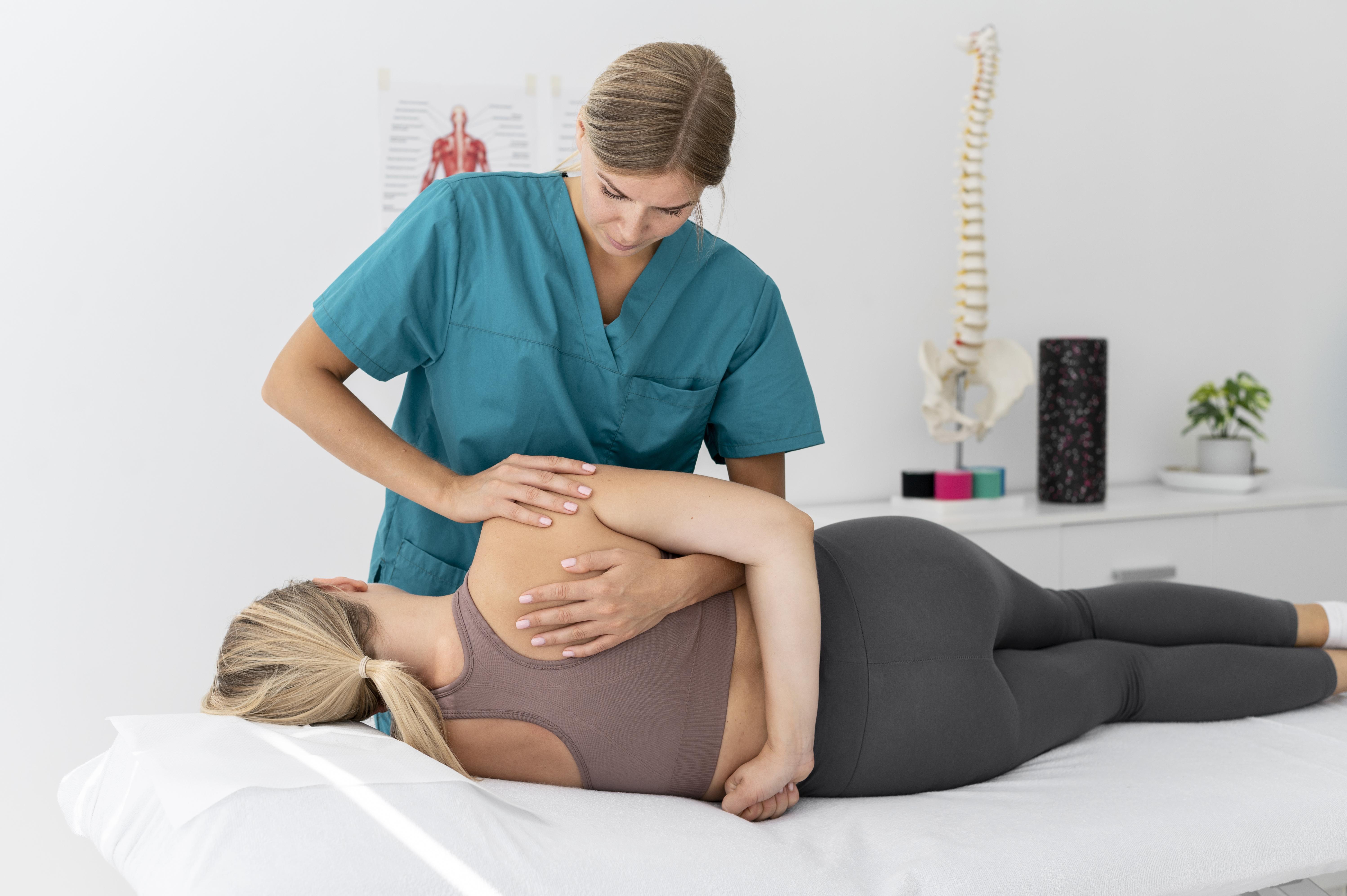
Polymyalgia rheumatica (PMR) causes significant pain and stiffness, particularly in the shoulders, neck, and hips. While there is no cure, effective management can help you maintain quality of life and independence. This guide covers everything you need to know about living well with PMR.
Understanding polymyalgia rheumatica
PMR is an inflammatory condition that typically affects people over 50, with most cases occurring in those over 70. It causes muscle pain and stiffness, particularly in the morning.
Common symptoms
- Bilateral shoulder pain and stiffness (both sides)
- Hip and thigh pain
- Neck stiffness
- Severe morning stiffness lasting more than 45 minutes
- Fatigue and general feeling of being unwell
- Difficulty with daily activities like getting dressed or getting out of bed
- Low-grade fever in some cases
- Weight loss and loss of appetite
What causes PMR?
The exact cause is unknown, but it involves inflammation of the lining around joints and blood vessels. Factors that may play a role include:
- Genetic predisposition
- Environmental triggers
- Immune system dysfunction
- Possibly viral infections
Medical management
Corticosteroids: The mainstay of treatment
Prednisolone is the primary treatment for PMR and usually provides dramatic relief within days.
Typical treatment course
- Starting dose: Usually 15-20mg daily
- Initial response: Symptoms typically improve within 3-7 days
- Gradual reduction: Dose slowly reduced over months to years
- Duration: Average treatment lasts 1-2 years, sometimes longer
Important points about steroids
- Take in the morning with food
- Never stop suddenly — must be tapered gradually
- Carry a steroid card
- Report any side effects to your GP
- Attend regular monitoring appointments
Managing steroid side effects
Long-term steroid use can cause side effects. Strategies to minimize these:
Bone health
- Take calcium and vitamin D supplements as prescribed
- Consider bone protection medication (bisphosphonates)
- Do weight-bearing exercise regularly
- Have bone density scans as recommended
Weight gain
- Monitor your diet carefully
- Reduce portion sizes
- Avoid high-calorie snacks
- Stay as active as possible
Blood sugar
- Have regular blood sugar checks
- Reduce sugar and refined carbohydrates
- Report increased thirst or urination
Infection risk
- Practice good hygiene
- Avoid people with infections
- Report any signs of infection promptly
- Ensure vaccinations are up to date
The role of exercise and physiotherapy
Exercise is crucial for managing PMR, but it must be carefully balanced with rest.
Benefits of exercise with PMR
- Maintains joint range of motion
- Prevents muscle wasting from steroids and inactivity
- Protects bone health
- Reduces stiffness
- Improves mood and energy
- Helps manage weight
Exercise principles for PMR
- Start gently: Begin with small amounts
- Progress gradually: Increase slowly as symptoms allow
- Listen to your body: Some discomfort is normal, but sharp pain is not
- Adapt to flares: Reduce intensity during symptom flares
- Be consistent: Regular gentle exercise is better than sporadic intense activity
Recommended exercises
Range of motion exercises
These maintain joint flexibility and reduce stiffness:
- Shoulder circles: Gentle circular movements
- Arm raises: Lift arms forward and to the side
- Neck movements: Gentle turns and tilts
- Hip movements: Leg swings and circles
Do these 2-3 times daily, especially in the morning.
Strengthening exercises
Maintain muscle strength to counteract steroid effects:
- Sit-to-stand: From a chair, 5-10 repetitions
- Wall push-ups: Gentle upper body strengthening
- Resistance band exercises: Light resistance for arms and legs
Aerobic exercise
- Walking: Start with 5-10 minutes, build gradually
- Swimming or water aerobics: Excellent low-impact option
- Cycling: Stationary or outdoor, at comfortable pace
Specialist polymyalgia physiotherapy support ensures your exercise programme is appropriate for your current symptoms and helps you progress safely.
Managing morning stiffness
Morning stiffness is often the most challenging symptom of PMR.
Strategies that help
- Take steroids early: Set an alarm for 6am, take medication, then sleep another hour
- Warm shower or bath: Heat helps reduce stiffness
- Gentle movements in bed: Ankle pumps, arm movements before getting up
- Allow extra time: Do not rush your morning routine
- Use adaptive equipment: Long-handled shoehorn, sock aid, etc.
- Keep bedroom warm: Cold worsens stiffness
Pacing and energy management
Fatigue is a significant issue with PMR. Learning to pace yourself is essential.
Pacing principles
- Plan activities: Spread demanding tasks across the week
- Take regular breaks: Before you become exhausted
- Prioritize: Focus on what matters most
- Ask for help: Delegate tasks when possible
- Rest properly: Quality rest, not just sitting
Good days vs bad days
- Do not overdo it on good days (you will pay for it later)
- Maintain some activity on bad days (complete rest worsens stiffness)
- Aim for consistency rather than peaks and troughs
Diet and nutrition
While diet cannot cure PMR, it can help manage symptoms and steroid side effects.
Anti-inflammatory diet
Focus on foods that may help reduce inflammation:
- Oily fish: Salmon, mackerel, sardines (omega-3)
- Colorful vegetables: Especially leafy greens
- Berries: Blueberries, strawberries, cherries
- Nuts and seeds: Walnuts, flaxseeds
- Olive oil: Extra virgin
- Turmeric and ginger: Natural anti-inflammatory spices
Foods to limit
- Processed foods
- Refined sugars
- Excessive red meat
- Fried foods
- High-sodium foods (steroids can increase blood pressure)
Bone-healthy diet
- Calcium-rich foods (dairy, leafy greens, fortified foods)
- Vitamin D (oily fish, eggs, fortified foods, supplements)
- Adequate protein (important for muscle maintenance)
Monitoring and follow-up
Regular blood tests
Your GP will monitor:
- ESR and CRP: Inflammation markers
- Blood glucose: Checking for steroid-induced diabetes
- Bone density: Periodic DEXA scans
When to contact your doctor
- Symptoms return or worsen
- New symptoms develop
- Vision changes (could indicate giant cell arteritis)
- Severe headache
- Jaw pain when chewing
- Signs of infection
- Difficulty reducing steroid dose
Flare management
Flares (symptom worsening) can occur, especially when reducing steroids.
Recognizing a flare
- Return of pain and stiffness
- Increased fatigue
- Difficulty with activities that were manageable
- Morning stiffness lasting longer
Managing flares
- Contact your GP (may need to increase steroid dose temporarily)
- Increase rest
- Continue gentle movement
- Use heat therapy
- Adjust activities temporarily
- Do not panic — flares are common and manageable
Emotional and psychological impact
Living with PMR affects more than just physical health.
Common emotional challenges
- Frustration with limitations
- Anxiety about the future
- Low mood or depression
- Loss of independence
- Social isolation
Coping strategies
- Stay connected with friends and family
- Join a support group (PMRGCAuk is excellent)
- Maintain hobbies and interests (adapted as needed)
- Seek counseling if struggling
- Focus on what you can do, not what you cannot
- Celebrate small improvements
Long-term outlook
Most people with PMR can expect:
- Good symptom control with treatment
- Gradual steroid reduction over 1-2 years
- Some people achieve remission and stop steroids
- Others need low-dose steroids long-term
- Relapses are possible but manageable
- Most people maintain good quality of life
Practical tips for daily living
- Getting dressed: Sit down, use adaptive equipment, dress lower body first
- Bathing: Use a shower stool, grab rails, long-handled sponge
- Housework: Use long-handled tools, sit when possible, spread tasks out
- Driving: Ensure you can turn your head safely, inform DVLA if symptoms affect driving
- Sleep: Use pillows for support, keep room warm, take evening steroids early
The bottom line
Living well with PMR involves:
- Taking steroids as prescribed and attending monitoring appointments
- Staying as active as possible with appropriate exercise
- Managing morning stiffness with heat and medication timing
- Pacing activities and managing energy
- Eating a healthy, anti-inflammatory diet
- Protecting bone health
- Seeking support when needed
- Being patient with yourself
While PMR is challenging, most people learn to manage it effectively and maintain a good quality of life. With proper treatment and self-management, you can stay active and independent.
Need support managing PMR?
Our physiotherapy service provides gentle, progressive exercise programmes tailored to your PMR symptoms. We work with you at home, adapting to how you feel each day and helping you maintain mobility and independence.

About Lizzie Thornton
Lizzie Thornton is a specialist community physiotherapist with over 15 years of experience working with people with chronic conditions including polymyalgia rheumatica. She is HCPC registered and a member of the Chartered Society of Physiotherapy. Lizzie provides home physiotherapy visits across Staffordshire Moorlands and Cheshire East, helping people with PMR stay active and manage their symptoms effectively.