Knee Pain: Common Causes, Exercises and Treatment Guide
Published
Local Physiotherapist - Lizzie Thornton, Staffordshire Moorlands & Cheshire East
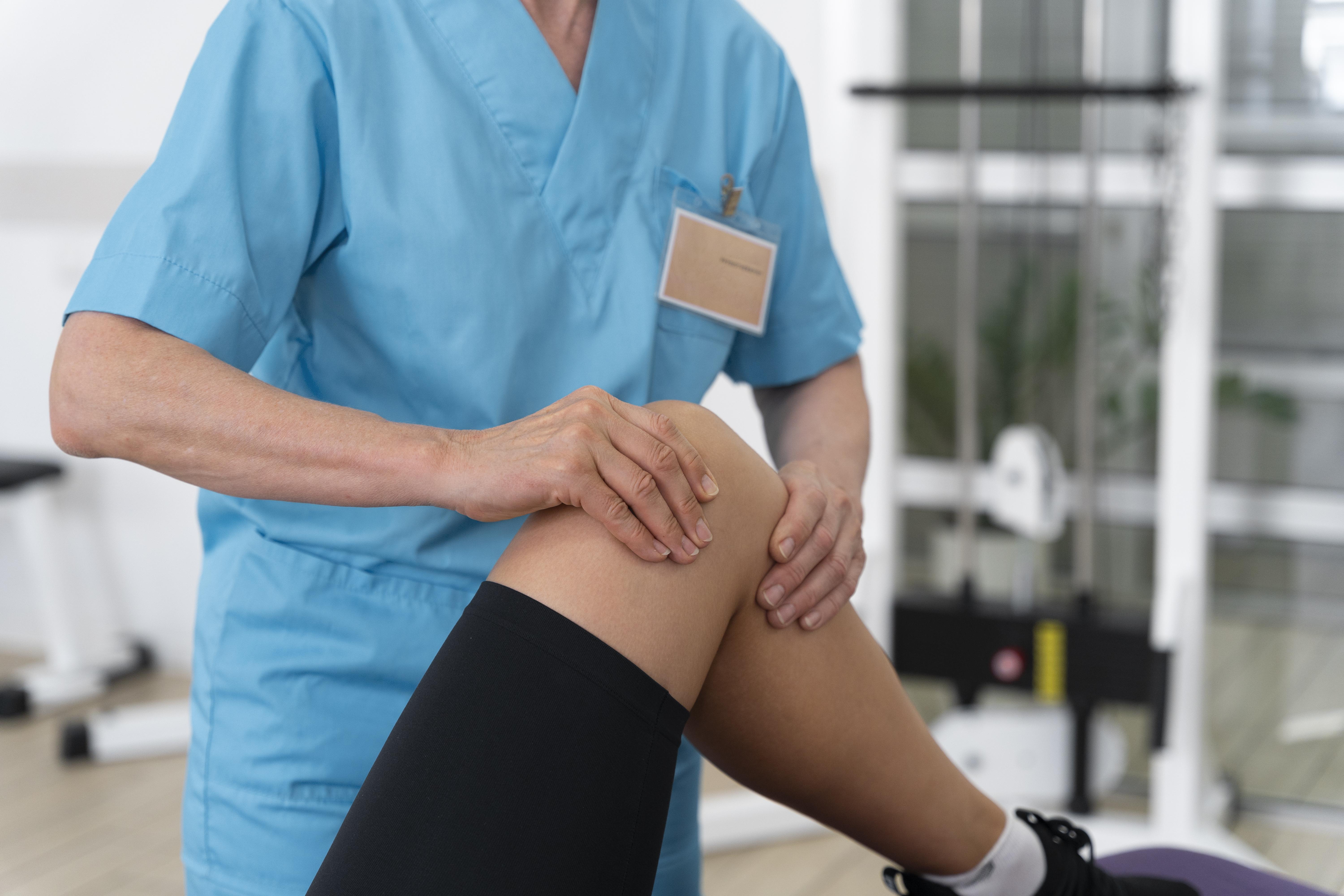
Knee pain affects people of all ages and can significantly impact mobility and quality of life. Understanding the cause is essential for effective treatment. This comprehensive guide covers common causes, exercises, and treatment strategies for knee pain.
Common causes of knee pain
Osteoarthritis
- Most common in over 50s
- Gradual onset
- Morning stiffness
- Pain with activity
- Improves with movement
Meniscus tears
- Cartilage tear in knee
- Locking or catching
- Swelling
- Pain with twisting
- Common in sports or degenerative
Ligament injuries
- ACL, PCL, MCL, LCL tears
- Usually traumatic
- Swelling
- Instability
- Reduced movement
Patellofemoral pain
- Pain around or behind kneecap
- Worse with stairs, squatting
- Common in younger people
- Often related to muscle imbalance
Tendinopathy
- Patellar or quadriceps tendon
- Pain below or above kneecap
- Worse with jumping, running
- Gradual onset
Bursitis
- Inflammation of fluid sac
- Swelling
- Tender to touch
- Pain with kneeling
Red flags — seek urgent medical attention
- Severe pain after injury
- Knee gives way repeatedly
- Cannot weight bear
- Severe swelling
- Deformity
- Hot, red, swollen knee with fever
Initial management
POLICE protocol
- Protection: Avoid aggravating activities
- Optimal Loading: Gentle movement, not complete rest
- Ice: 15-20 minutes, 3-4 times daily
- Compression: Support bandage if swollen
- Elevation: Raise leg when resting
Pain relief
- Paracetamol regularly
- Ibuprofen if suitable
- Topical gels
- Ice therapy
Exercises for knee pain
Quadriceps strengthening
Static quads
- Sit with leg straight
- Tighten thigh muscle
- Push knee down into floor
- Hold 5 seconds
- 10 reps, 3 times daily
Straight leg raises
- Lie on back, one knee bent
- Tighten thigh of straight leg
- Lift leg to height of bent knee
- Hold 5 seconds
- 10 reps, 3 times daily
Sit-to-stand
- Sit on chair
- Stand up without using hands
- Sit back down slowly
- 10 reps, 3 times daily
- Progress to lower chair
Hamstring strengthening
Hamstring curls
- Stand holding support
- Bend knee, bringing heel towards buttock
- Lower slowly
- 10 reps each leg, twice daily
Hip strengthening
Hip abduction
- Stand holding support
- Lift leg out to side
- Keep body upright
- 10 reps each leg, twice daily
Hip extension
- Stand holding support
- Take leg straight back
- Do not lean forward
- 10 reps each leg, twice daily
Calf strengthening
Calf raises
- Stand holding support
- Rise up on toes
- Lower slowly
- 10-15 reps, twice daily
- Progress to single leg
Stretches for knee pain
Quadriceps stretch
- Stand holding support
- Bend knee, hold ankle
- Pull heel towards buttock
- Hold 30 seconds
- Repeat 3 times, twice daily
Hamstring stretch
- Sit with leg straight
- Lean forward from hips
- Reach towards toes
- Hold 30 seconds
- Repeat 3 times, twice daily
Calf stretch
- Stand facing wall
- Step back with one leg
- Keep heel down
- Lean into wall
- Hold 30 seconds
- Repeat 3 times each leg, twice daily
Activity modification
Walking
- Continue walking if possible
- Reduce distance if painful
- Use walking stick if needed
- Wear supportive shoes
- Avoid uneven ground initially
Stairs
- Use handrail
- Lead with good leg going up
- Lead with painful leg going down
- Take one step at a time
Work and daily activities
- Avoid prolonged kneeling
- Take regular breaks from sitting
- Use cushion if sitting low
- Avoid deep squatting initially
Weight management
If overweight, losing weight helps:
- Reduces load on knee
- Decreases pain
- Improves function
- Slows arthritis progression
- Even small weight loss helps
Treatment options
Physiotherapy
Joint Pain & Muscle Injury Treatment provides:
- Accurate diagnosis
- Personalized exercise programme
- Hands-on treatment
- Activity modification advice
- Progression guidance
- Return to sport planning
Medication
- Paracetamol for pain
- NSAIDs for inflammation
- Topical gels
- Supplements (glucosamine, chondroitin)
Injections
- Corticosteroid injections
- Hyaluronic acid
- Temporary relief
- Allow engagement with physiotherapy
Surgery
- Arthroscopy (keyhole)
- Realignment procedures
- Knee replacement
- Usually after conservative treatment fails
Preventing knee pain
Maintain strength
- Regular leg strengthening
- Quadriceps and hamstrings
- Hip and calf muscles
- 2-3 times weekly
Stay active
- Regular low-impact exercise
- Walking, swimming, cycling
- Maintain healthy weight
- Avoid prolonged inactivity
Proper footwear
- Supportive shoes
- Replace worn shoes
- Consider insoles if needed
- Avoid high heels regularly
When to seek professional help
Consider physiotherapy if:
- Pain not improving after 2 weeks
- Pain affecting daily activities
- Knee giving way
- Swelling persisting
- Stiffness limiting movement
- Unsure of diagnosis
- Want personalized treatment
Recovery expectations
Acute injuries
- Improvement within 2-6 weeks
- With appropriate treatment
- Consistent exercises essential
Chronic conditions
- Gradual improvement over months
- Ongoing management needed
- Exercise long-term
- Flare-ups possible
Arthritis
- Cannot cure
- Can manage symptoms well
- Exercise crucial
- Quality of life can be good
The bottom line
Managing knee pain effectively requires:
- Accurate diagnosis
- Appropriate pain management
- Regular strengthening exercises
- Activity modification
- Weight management if needed
- Patience with recovery
- Professional guidance when needed
Most knee pain improves with conservative treatment, especially exercise. The key is strengthening the muscles around the knee, staying active within limits, and seeking professional help if not improving.
Need help with knee pain?
Our Joint Pain & Muscle Injury Treatment service provides expert assessment and treatment for knee pain. We help you understand your condition, provide effective exercises, and guide you to recovery.
Get in touch Learn about Joint Pain & Muscle Injury Treatment

About Lizzie Thornton
Lizzie Thornton is a specialist community physiotherapist with over 15 years of experience treating knee pain and musculoskeletal conditions. She is HCPC registered and a member of the Chartered Society of Physiotherapy. Lizzie provides home physiotherapy visits across Staffordshire Moorlands and Cheshire East.