Hospital Discharge: Complete Home Recovery Guide for Older Adults
Published
Local Physiotherapist - Lizzie Thornton, Staffordshire Moorlands & Cheshire East
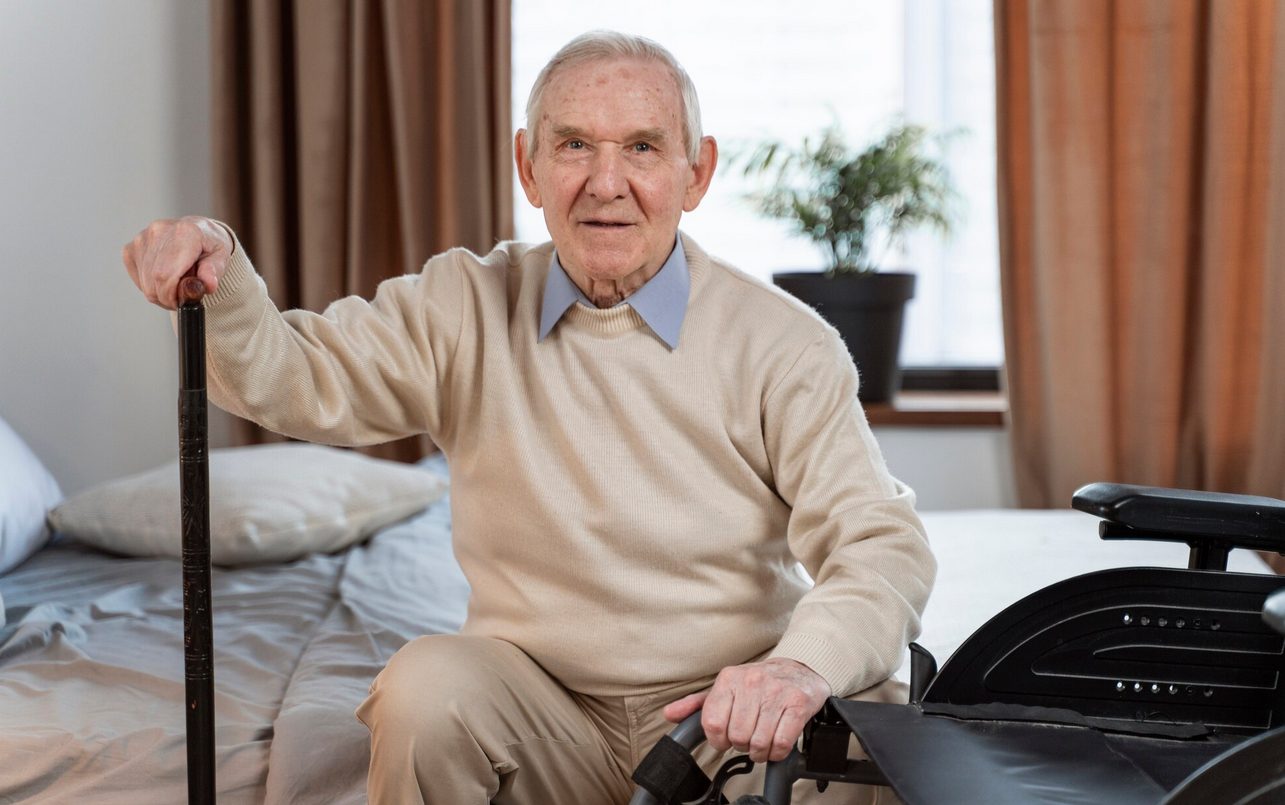
Returning home after a hospital stay can be challenging, especially for older adults. This comprehensive guide covers everything you need to know about safe recovery at home, preventing readmission, and regaining your independence.
Before leaving hospital
Important questions to ask
- What was wrong and what treatment did I have?
- What medications should I take and when?
- What activities can I do?
- What should I avoid?
- When should I see my GP?
- What warning signs should I watch for?
- Who do I contact if I have problems?
Discharge checklist
- Discharge summary with diagnosis and treatment
- Medication list with instructions
- Follow-up appointments booked
- Contact numbers for questions
- Any equipment needed (walking aids, etc.)
- Referrals arranged (physiotherapy, district nurse)
First 48 hours at home
Immediate priorities
- Rest and recover from journey home
- Take medications as prescribed
- Eat and drink regularly
- Gentle movement around home
- Monitor for any problems
- Contact GP if concerns
Common challenges
- Fatigue: Hospital stays are exhausting
- Weakness: Muscle loss from bed rest
- Confusion: Change of environment
- Anxiety: Worry about managing at home
- Pain: From surgery or illness
Managing medications
Medication safety
- Understand what each medication is for
- Take at correct times
- Use dosette box if helpful
- Set reminders
- Do not stop medications without asking doctor
- Report side effects
Getting organized
- Create medication schedule
- Keep medications in one place
- Use pharmacy delivery if needed
- Dispose of old medications
- Keep list of current medications
Nutrition and hydration
Rebuilding strength
- Eat regular meals
- Include protein at each meal
- Small frequent meals if appetite poor
- Nutritious snacks between meals
- Fortified drinks if struggling
Staying hydrated
- Aim for 6-8 glasses daily
- Keep water within reach
- Set reminders to drink
- Variety of fluids (tea, juice, soup)
- Monitor urine color
Mobility and exercise
Week 1: Gentle mobilization
- Get up and dressed daily
- Walk around home regularly
- Sit out of bed for meals
- Gentle ankle and leg movements
- Deep breathing exercises
Week 2-4: Building activity
- Increase walking distance gradually
- Start simple exercises
- Practice stairs if you have them
- Resume light household tasks
- Short walks outside if able
Month 2+: Continued recovery
- Structured exercise programme
- Gradually return to normal activities
- Build strength and endurance
- Address any ongoing limitations
Preventing deconditioning
What is deconditioning?
Rapid loss of fitness and strength from inactivity. Can happen quickly in hospital.
Effects of deconditioning
- Muscle weakness
- Poor balance
- Reduced endurance
- Increased fall risk
- Difficulty with daily tasks
Prevention strategies
- Move regularly throughout day
- Avoid prolonged sitting or lying
- Do exercises daily
- Gradually increase activity
- Set activity goals
Managing pain
Pain relief strategies
- Take pain medication as prescribed
- Take regularly, not just when severe
- Use heat or cold therapy
- Position for comfort
- Gentle movement helps
- Relaxation techniques
When to seek help
- Pain not controlled by medication
- New or different pain
- Pain preventing sleep or movement
- Side effects from pain medication
Sleep and rest
Improving sleep at home
- Regular sleep schedule
- Comfortable bed and pillows
- Quiet, dark room
- Avoid daytime napping if possible
- Relaxation before bed
- Manage pain overnight
Balancing rest and activity
- Rest when tired
- But avoid excessive rest
- Short rest periods better than long
- Stay active during day
- Build stamina gradually
Wound care
If you have surgical wounds
- Keep dressing clean and dry
- Follow hospital instructions
- Watch for signs of infection
- Attend dressing clinic if arranged
- Do not remove stitches yourself
Signs of infection
- Increasing redness
- Swelling
- Heat around wound
- Discharge or pus
- Increasing pain
- Fever
Preventing readmission
Common reasons for readmission
- Infections
- Falls
- Medication problems
- Dehydration
- Worsening of original condition
- Poor self-care
Prevention strategies
- Take medications correctly
- Attend follow-up appointments
- Report problems early
- Stay active and mobile
- Eat and drink well
- Follow medical advice
- Seek help when needed
When to contact your GP
Contact within 24 hours if
- Increasing pain
- New symptoms
- Medication concerns
- Not managing at home
- Wound problems
- Feeling unwell
Call 999 if
- Chest pain
- Difficulty breathing
- Severe pain
- Sudden weakness
- Confusion
- Heavy bleeding
Support services
Health services
- Home physiotherapy for recovery and rehabilitation
- District nurses for wound care
- Occupational therapy for daily living
- GP for ongoing medical care
Social support
- Home care services
- Meals on wheels
- Community transport
- Befriending services
- Social services assessment
Family and carer support
How families can help
- Help with shopping and meals initially
- Medication reminders
- Transport to appointments
- Encourage activity and independence
- Monitor for problems
- Provide emotional support
Avoiding over-helping
- Let them do what they can
- Encourage independence
- Provide supervision, not assistance
- Be patient with slower pace
- Focus on recovery goals
Emotional recovery
Common feelings
- Anxiety about managing at home
- Frustration with limitations
- Low mood
- Fear of getting ill again
- Loss of confidence
Coping strategies
- Talk about your feelings
- Set small achievable goals
- Celebrate progress
- Stay connected with others
- Ask for help when needed
- Be patient with recovery
Returning to normal activities
Gradual progression
- Start with essential activities
- Add one new activity at a time
- Build up gradually
- Rest between activities
- Listen to your body
- Do not rush recovery
Activity timeline (general guide)
- Week 1: Self-care, light household tasks
- Week 2-4: Increased household activities, short outings
- Month 2: Most normal activities
- Month 3+: Full return to previous level
The bottom line
Successful recovery at home after hospital discharge requires:
- Taking medications correctly
- Eating and drinking well
- Staying mobile and active
- Gradual increase in activity
- Monitoring for problems
- Attending follow-up appointments
- Seeking help when needed
- Being patient with recovery
Most people recover well at home with the right support. The key is starting rehabilitation early, staying active, and not hesitating to ask for help when you need it.
Need support after hospital discharge?
Our home physiotherapy service provides rehabilitation after hospital stays, helping you regain strength, mobility, and confidence. We work with you at home to ensure safe recovery and prevent readmission.

About Lizzie Thornton
Lizzie Thornton is a specialist community physiotherapist with over 15 years of experience in post-hospital rehabilitation. She is HCPC registered and a member of the Chartered Society of Physiotherapy. Lizzie provides home physiotherapy visits across Staffordshire Moorlands and Cheshire East, helping people recover safely after hospital discharge.