Home Physiotherapy in West London
Published
Local Physiotherapist — Rits Rana, West London
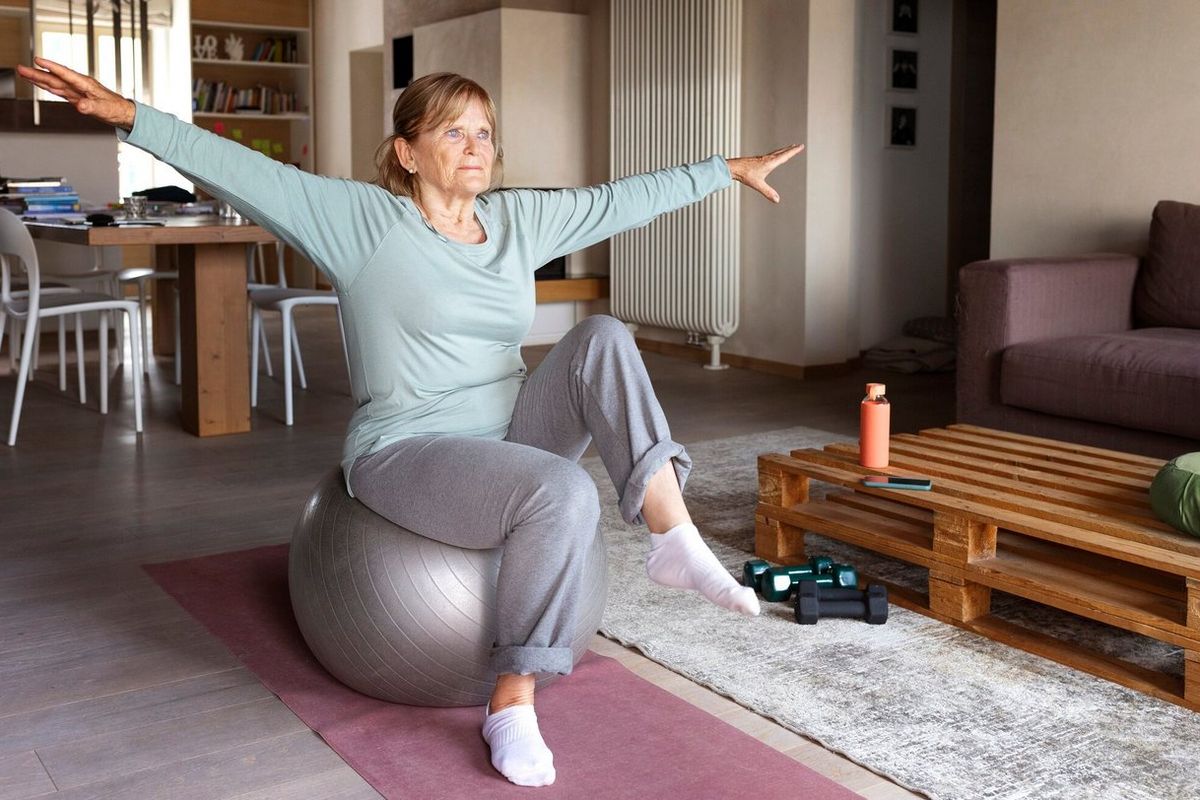
In West London the journey to a clinic is often the hardest part. A busy bus, the stairs at a Tube station, or the search for somewhere to park can wear you out before the appointment even starts. Home physiotherapy brings the treatment to you instead.
What home physiotherapy is
It is the same physiotherapy you would get in a clinic, carried out in your own home. The assessment, the hands-on treatment, the exercises and the check-ups all happen where you actually live and move about.
That matters more than it sounds. Many West London homes have steep staircases, narrow hallways, a step down to the garden or a flat on an upper floor. A clinic cannot show a physiotherapist how you manage those. At home, they are part of the plan from the first visit.
Who it helps most
- People recovering from a stroke or a brain injury, where getting out is hard and the goals are about walking, balance, using an arm again and feeling safe at home
- People living with Parkinson's, MS or motor neurone disease, where tiredness makes every trip costly
- People back home after an operation, such as a hip or knee replacement or a broken bone
- Older people who have had a fall, a spell in hospital or have simply become less steady
- Anyone in a lot of pain, where travelling would make the day worse
- Residents of care and nursing homes, where a physiotherapist can also show staff how to help between visits
Who you will see
Home visits across West London are with Rits Rana, a chartered physiotherapist who runs her own mobile practice, Mobile Rehab. Her main area of work is rehabilitation after a stroke or brain injury and for long-term conditions such as Parkinson's and MS. She previously led an NHS community team for neurological and older people's physiotherapy, so helping people get moving again in their own homes is what she has done for years. She also treats back, neck and joint problems.
Rits speaks English, Hindi and Marathi, which some families find helpful when a parent is more at ease in their first language.
What happens at the first visit
The first visit lasts up to an hour. It starts with a conversation about what happened, what is hard at the moment and what you want to be able to do again. Then comes a careful look at how you move, where the stiffness or weakness is and what is going well.
Because it happens at home, the assessment can include the things that matter to you: your stairs, your chair, your bed, your bathroom and the walk to the front door. You get treatment on the day and a short set of exercises you can actually keep up with.
How many visits
There is no fixed course. Someone recovering from a knee replacement might need a handful of visits over a few weeks. Someone rebuilding their walking after a stroke may want a longer block, with visits spaced out as they improve. Someone with a long-term condition may prefer a check-up every few months. The plan should fit you, not a standard package.
No GP referral needed
You can book private physiotherapy directly, with no waiting list. If you have a hospital discharge letter or a letter from your consultant, have it ready for the first visit, but you do not need one to get started.
Areas covered in West London
Home visits cover the whole of West London, including:
- Ealing and around: Ealing, Acton, Southall
- Hammersmith, Fulham and Chiswick: Hammersmith, Fulham, Chiswick
- Kensington, Chelsea and Westminster: Kensington, Chelsea, Notting Hill, Westminster
- Richmond and Twickenham: Richmond, Twickenham
- Hounslow and Hillingdon: Hounslow, Hillingdon, Ruislip
Any travel fee depends on where you live and is confirmed on the free phone call, so there are no surprises.
Book a home visit in West London
A free phone call is the easiest place to start. Talk through what is going on and check whether home physiotherapy is the right fit. No GP referral is needed.
Please mention Mobile Physiotherapist.co.uk
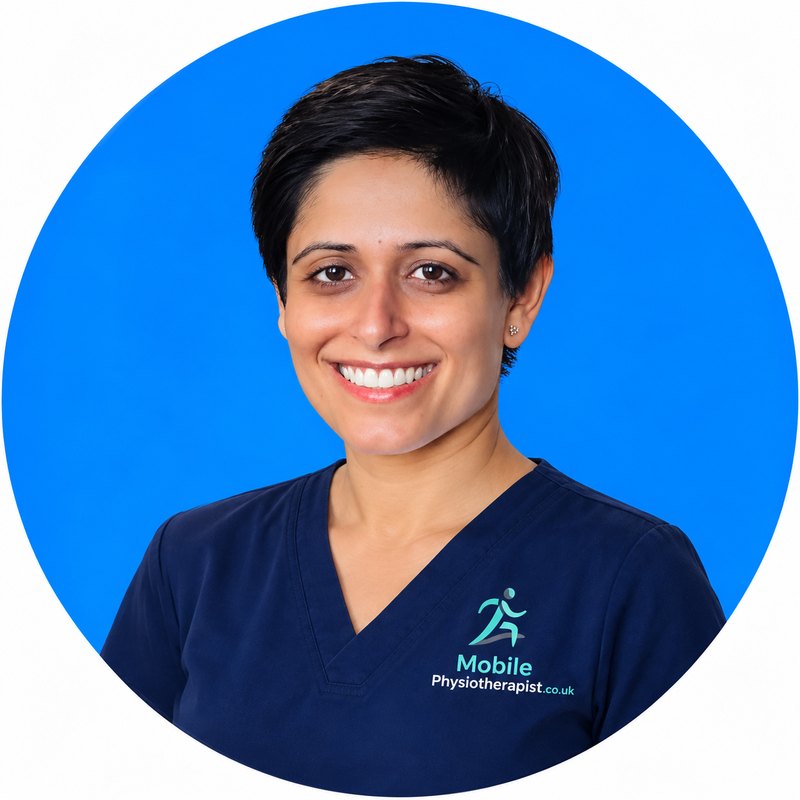
About Rits Rana
Rits Rana is a chartered physiotherapist (HCPC PH106489, MCSP 119421) providing home visit physiotherapy across Ealing, Hammersmith, Chiswick, Richmond, Twickenham, Hounslow and across West London, and runs an independent mobile practice, Mobile Rehab. Her specialist ground is complex neurological rehabilitation: stroke, brain injury, Parkinson's, MS and motor neurone disease. Alongside that she works with older adults on strength, balance and falls, and treats muscle and joint problems at NHS Band 7 level. She assesses and diagnoses directly, so there is no wait for a GP referral before treatment can start.
Read Rits's profile or call 07818 106406.
Please mention Mobile Physiotherapist.co.uk when you call.