15 Hidden Home Hazards That Cause Falls in Older Adults (And How to Fix Them)
Published
Local Physiotherapist - Lizzie Thornton, Staffordshire Moorlands & Cheshire East
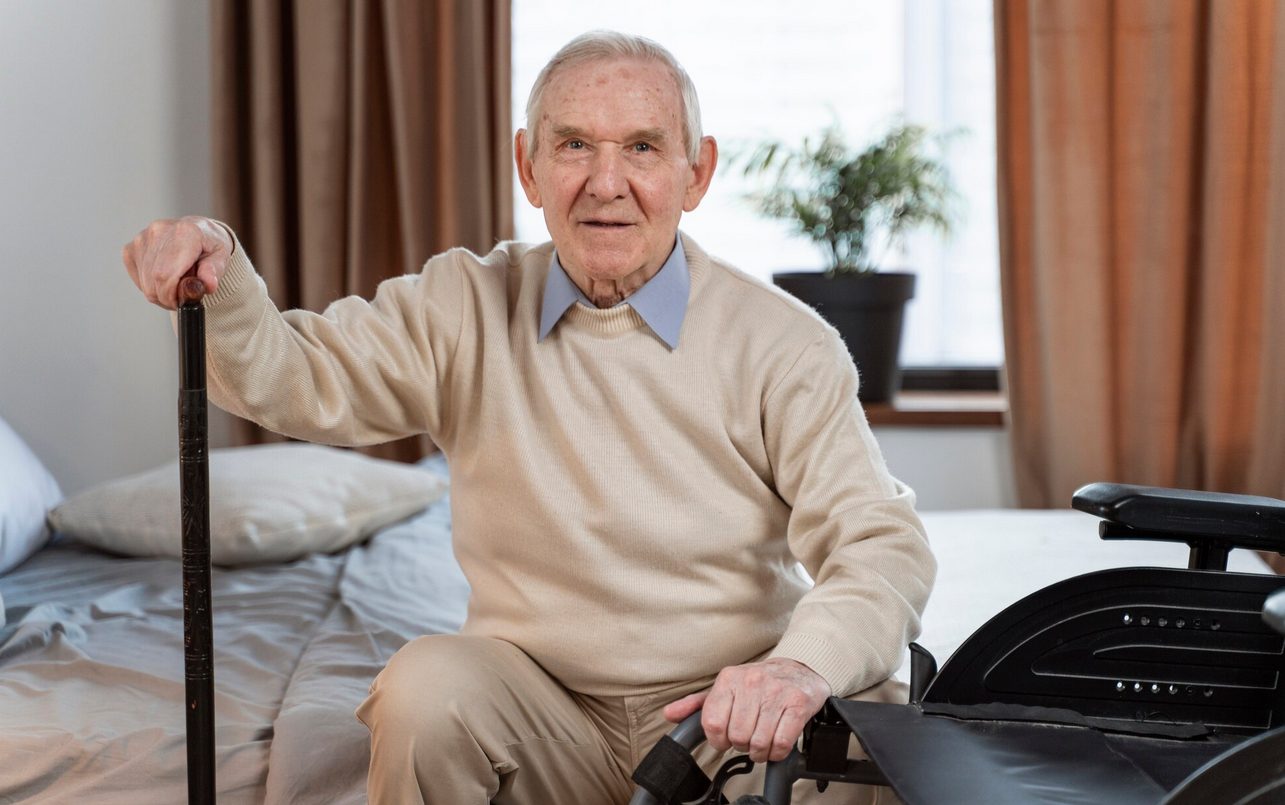
Most falls happen at home, often in familiar surroundings. After conducting hundreds of home safety assessments, I have identified the most common hazards that cause falls. The good news? Most are simple and inexpensive to fix.
Why home hazards matter
Research shows that environmental factors contribute to 30-50% of falls in older adults. While balance and strength are important, even the fittest person can trip over a rug or slip on a wet floor.
Home modifications, combined with professional falls prevention programmes, can reduce your fall risk by up to 40%.
Living room and hallway hazards
1. Loose rugs and mats
The problem: Rugs that slide, curl at the edges, or have worn backing are major trip hazards.
The solution:
- Remove unnecessary rugs entirely
- Secure essential rugs with non-slip backing or double-sided tape
- Replace rugs with curled edges
- Ensure rugs lie completely flat
- Avoid placing rugs at the top or bottom of stairs
2. Trailing electrical cables
The problem: Cables from lamps, phones, and televisions create trip hazards, especially in low light.
The solution:
- Run cables along walls, not across walking paths
- Use cable tidies or clips to secure them
- Consider wireless alternatives where possible
- Tape cables down if they must cross walkways
3. Clutter and low furniture
The problem: Items on the floor, low coffee tables, and footstools are easy to trip over, especially at night.
The solution:
- Keep walkways clear of clutter
- Remove or relocate low furniture from main pathways
- Store items in cupboards rather than on the floor
- Use a basket or bag to carry items between rooms
4. Poor lighting
The problem: Inadequate lighting makes it difficult to see hazards and judge distances.
The solution:
- Install brighter bulbs (LED bulbs provide excellent light)
- Add lamps in dark corners
- Use night lights in hallways and bathrooms
- Install motion-sensor lights for nighttime navigation
- Ensure light switches are easily accessible at room entrances
- Keep a torch by your bed
5. Slippery floors
The problem: Polished wood, laminate, and tile floors can be slippery, especially when wet.
The solution:
- Wear non-slip slippers or shoes (never walk in socks)
- Clean up spills immediately
- Use non-slip floor polish
- Consider textured floor coverings in high-risk areas
- Ensure doormats are non-slip
Stairs hazards
6. Missing or inadequate handrails
The problem: Stairs without handrails, or handrails on only one side, increase fall risk significantly.
The solution:
- Install handrails on both sides of the stairs
- Ensure handrails extend beyond the top and bottom steps
- Check handrails are secure and can support your weight
- Handrails should be at a comfortable height (typically 90-100cm)
- Consider a second, lower handrail if needed
7. Worn or damaged stair carpet
The problem: Loose, worn, or torn carpet on stairs is extremely dangerous.
The solution:
- Repair or replace worn carpet immediately
- Ensure carpet is securely fixed with no loose edges
- Check stair rods are secure
- Consider non-slip stair treads if carpet is not an option
8. Poor stair visibility
The problem: Difficulty seeing where one step ends and another begins.
The solution:
- Install bright lighting at the top and bottom of stairs
- Add contrasting tape or paint to the edge of each step
- Ensure light switches are accessible at both ends
- Consider motion-sensor lights for nighttime use
Kitchen hazards
9. Items stored too high or too low
The problem: Reaching or bending increases fall risk, especially when carrying items.
The solution:
- Store frequently used items at waist to shoulder height
- Use a sturdy step stool with a handrail for high items
- Use a reaching aid for low items
- Reorganize cupboards to minimize reaching and bending
10. Wet floors
The problem: Spills and wet floors are particularly dangerous in the kitchen.
The solution:
- Clean spills immediately
- Use non-slip mats near the sink
- Dry floors thoroughly after mopping
- Wear non-slip footwear in the kitchen
Bathroom hazards
11. Slippery bath and shower
The problem: Wet surfaces in the bathroom are the most common location for falls.
The solution:
- Install non-slip mats or stickers in the bath and shower
- Use a bath mat with suction cups
- Install grab rails near the bath, shower, and toilet
- Consider a shower chair if balance is poor
- Use a non-slip bath mat outside the bath
12. Lack of grab rails
The problem: Nothing to hold onto when getting in and out of the bath or using the toilet.
The solution:
- Install grab rails next to the toilet
- Install grab rails in the bath and shower
- Ensure rails are professionally fitted and can support your weight
- Consider a raised toilet seat with armrests
13. Low toilet
The problem: Low toilets make sitting and standing difficult and increase fall risk.
The solution:
- Install a raised toilet seat
- Add grab rails for support when standing
- Consider a toilet frame with armrests
Bedroom hazards
14. Getting in and out of bed
The problem: Beds that are too high or too low make transfers difficult and risky.
The solution:
- Adjust bed height so your feet touch the floor when sitting
- Use bed risers to raise a low bed
- Install a bed rail or grab handle
- Keep a lamp or light switch within easy reach
- Clear the path from bed to bathroom
15. Nighttime navigation
The problem: Getting up at night in the dark significantly increases fall risk.
The solution:
- Install night lights in the bedroom and hallway
- Use motion-sensor lights
- Keep a torch by your bed
- Ensure the path to the bathroom is clear
- Consider a commode if the bathroom is far away
Garden and outdoor hazards
While this article focuses on indoor hazards, do not forget outdoor areas:
- Uneven paving or paths
- Loose gravel
- Moss or algae on paths
- Poor outdoor lighting
- Steps without handrails
- Overgrown plants blocking paths
Footwear matters
Your choice of footwear significantly affects fall risk:
Avoid
- Walking in socks or tights
- Backless slippers
- Shoes with smooth soles
- High heels
- Ill-fitting shoes
Choose
- Well-fitting slippers with backs and non-slip soles
- Supportive shoes with good grip
- Footwear that fastens securely
- Replace worn footwear regularly
Conducting your own home safety assessment
Walk through each room of your home and ask:
- Are there any items on the floor that could cause a trip?
- Is the lighting adequate?
- Are there handrails where needed?
- Are floors slippery?
- Can I reach commonly used items safely?
- Are there any loose rugs or mats?
- Is the path clear from bedroom to bathroom?
Professional home safety assessment
A professional assessment by a physiotherapist or occupational therapist can identify hazards you might miss. Our falls prevention service includes:
- Comprehensive home safety assessment
- Personalized recommendations
- Advice on equipment and modifications
- Balance and strength exercises
- Ongoing support and monitoring
Cost-effective solutions
Many modifications are inexpensive or free:
- Free: Decluttering, rearranging furniture, improving lighting with existing lamps
- Low cost (under £20): Non-slip mats, night lights, cable tidies, contrast tape for stairs
- Moderate cost (£20-100): Better lighting, grab rails, raised toilet seat, non-slip footwear
- Higher cost: Major modifications like stairlifts or bathroom adaptations (grants may be available)
Financial assistance
You may be eligible for grants or support:
- Disabled Facilities Grant (for major adaptations)
- Local council support schemes
- Charity grants for older people
- Home improvement agencies
The role of balance and strength
While removing hazards is crucial, improving your balance and strength is equally important. Even in a perfectly safe home, good balance helps you recover if you stumble.
Combine home modifications with regular exercise for maximum protection. Falls prevention programmes address both environmental and physical factors.
When to seek professional help
Consider professional assessment if:
- You have fallen in the past year
- You feel unsteady or worry about falling
- You have difficulty with stairs
- You avoid activities due to fear of falling
- You have noticed changes in your balance or strength
- You are unsure what modifications you need
The bottom line
Most home hazards are simple to identify and fix. The key actions are:
- Remove or secure loose rugs
- Improve lighting throughout your home
- Install grab rails in the bathroom
- Ensure handrails on both sides of stairs
- Keep walkways clear of clutter
- Wear appropriate non-slip footwear
- Address hazards immediately, do not wait
Remember, falls are not a normal part of ageing. With simple home modifications and appropriate exercise, you can significantly reduce your risk and maintain your independence.
Want a professional home safety assessment?
Our falls prevention service includes a comprehensive home safety assessment with personalized recommendations, plus balance and strength training to reduce your fall risk. We visit you at home, making it convenient and practical.

About Lizzie Thornton
Lizzie Thornton is a specialist community physiotherapist with over 15 years of experience in falls prevention and elderly care. She is HCPC registered and a member of the Chartered Society of Physiotherapy. Lizzie has conducted hundreds of home safety assessments and helped countless older adults reduce their fall risk through home physiotherapy visits across Staffordshire Moorlands and Cheshire East.