Home Exercise Equipment for Seniors: Essential Guide
Published
Local Physiotherapist - Lizzie Thornton, Staffordshire Moorlands & Cheshire East
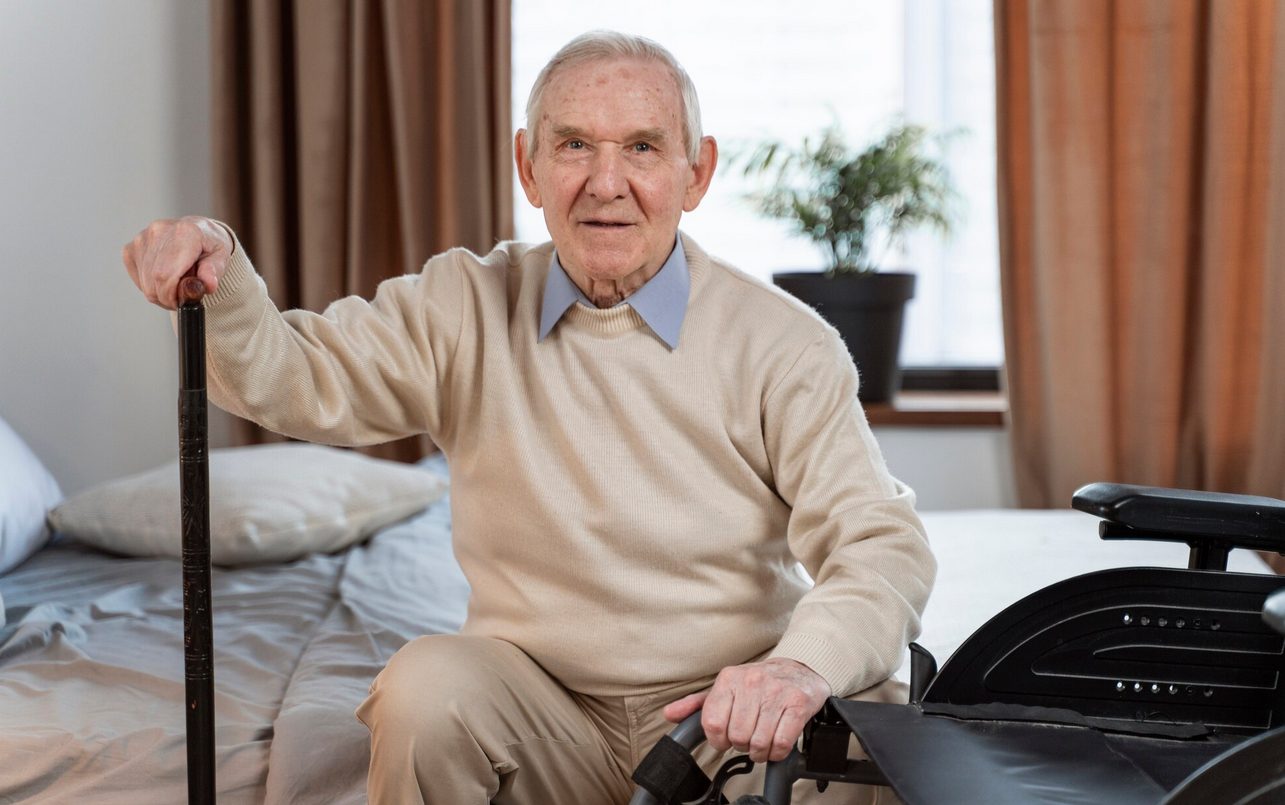
The right exercise equipment can make home workouts more effective, enjoyable, and safe for older adults. This comprehensive guide covers essential equipment, what to avoid, and how to choose wisely for your needs and budget.
Benefits of home exercise equipment
Why exercise at home?
- Convenient and accessible
- Exercise anytime
- Privacy and comfort
- No travel required
- Cost-effective long-term
- Weather independent
- Personalized environment
Equipment advantages
- Adds variety to workouts
- Progressive resistance
- Targets specific areas
- Increases motivation
- Tracks progress
- Makes exercise more effective
Essential equipment (budget-friendly)
Resistance bands (£10-20)
Best for: Strength training, flexibility
- Versatile and portable
- Multiple resistance levels
- Safe and gentle on joints
- Hundreds of exercises possible
- Takes minimal space
- Excellent value
Sturdy chair (already have)
Best for: Support, seated exercises, step-ups
- Essential for many exercises
- Provides stability
- Use for seated workouts
- Step-ups on bottom rung
- No cost if you have one
Light dumbbells (£15-30)
Best for: Upper body strengthening
- Start with 1-3kg
- Buy pairs of different weights
- Easy to use
- Durable
- Can use water bottles initially
Exercise mat (£15-30)
Best for: Floor exercises, stretching
- Cushions joints
- Non-slip surface
- Comfortable for floor work
- Easy to store
- Choose thick (10-15mm)
Foam roller (£10-25)
Best for: Muscle release, balance
- Self-massage tool
- Relieves muscle tension
- Improves flexibility
- Can use for balance exercises
- Various densities available
Recommended equipment (mid-range)
Pedal exerciser (£30-60)
Best for: Cardiovascular fitness, leg strengthening
- Use while seated
- Low impact
- Adjustable resistance
- Compact storage
- Can use for arms too
- Good for limited mobility
Balance cushion (£15-30)
Best for: Balance training
- Unstable surface
- Challenges balance
- Can sit or stand on
- Portable
- Inflatable (adjust difficulty)
Ankle/wrist weights (£15-40)
Best for: Adding resistance to exercises
- Start with 0.5-1kg
- Adjustable weights ideal
- Use for leg exercises
- Increases workout intensity
- Velcro fastening
Stability ball (£15-30)
Best for: Core strengthening, balance
- Choose appropriate size
- Versatile exercise tool
- Improves core stability
- Can use as chair
- Requires good balance
Step platform (£30-60)
Best for: Step aerobics, leg strengthening
- Adjustable height
- Non-slip surface
- Step-ups and aerobics
- Sturdy and stable
- Can use bottom stair instead
Premium equipment (higher investment)
Recumbent exercise bike (£200-600)
Best for: Cardiovascular fitness, low-impact exercise
- Comfortable seated position
- Back support
- Low impact on joints
- Adjustable resistance
- Easy to use
- Good for arthritis
Treadmill (£300-1000+)
Best for: Walking, cardiovascular fitness
- Walk indoors any weather
- Adjustable speed and incline
- Handrails for safety
- Track distance and time
- Takes significant space
- Choose one with safety features
Elliptical trainer (£300-800)
Best for: Low-impact full-body workout
- Very low impact
- Works upper and lower body
- Smooth motion
- Good for joint problems
- Requires space
- Can be expensive
What you don't need
Avoid these for seniors
- Heavy weights: Risk of injury, not necessary
- Complex machines: Difficult to use, expensive
- Vibration plates: Limited evidence, expensive
- Ab rollers: Too challenging, risk of injury
- Trampolines: Fall risk, balance required
- Rowing machines: Technique challenging, back strain risk
Choosing equipment safely
Safety considerations
- Stable and sturdy
- Appropriate for fitness level
- Easy to use
- Non-slip surfaces
- No sharp edges
- Adjustable resistance/difficulty
- Clear instructions
Space considerations
- Measure available space
- Consider storage
- Foldable options good
- Clear area around equipment
- Good lighting
- Non-slip flooring
Budget considerations
- Start with essentials
- Add gradually
- Quality over quantity
- Read reviews
- Try before buying if possible
- Consider second-hand carefully
Using equipment safely
General safety rules
- Read instructions thoroughly
- Start with lowest resistance
- Learn proper technique
- Warm up before use
- Cool down after
- Stop if pain
- Regular equipment checks
Specific equipment tips
Resistance bands
- Check for tears before use
- Secure anchoring
- Controlled movements
- Never release under tension
Exercise bike/treadmill
- Use safety features
- Start slowly
- Use handrails initially
- Emergency stop accessible
- Proper footwear
Weights
- Secure grip
- Controlled movements
- Don't drop
- Store safely
- Start light
Maintenance and care
Regular checks
- Inspect before each use
- Check for wear and damage
- Tighten loose parts
- Replace worn items
- Keep clean
- Store properly
When to replace
- Resistance bands: tears, loss of elasticity
- Mats: worn through, slippery
- Weights: cracks, loose parts
- Machines: persistent problems, unsafe
Building your home gym
Starter package (£50-100)
- Resistance band set
- Light dumbbells (2-3kg)
- Exercise mat
- Sturdy chair (already have)
Intermediate package (£150-300)
- All starter items
- Pedal exerciser
- Balance cushion
- Ankle weights
- Foam roller
- Step platform
Advanced package (£500-1500)
- All intermediate items
- Recumbent bike or treadmill
- Stability ball
- Additional weights
- Heart rate monitor
Alternatives to equipment
Household items
- Water bottles as weights
- Towel as resistance band
- Stairs for step-ups
- Wall for press-ups
- Chair for support
- Cushion for balance
The role of physiotherapy
General Strengthening Programmes provides:
- Equipment recommendations
- Proper use instruction
- Personalized exercise programmes
- Safety guidance
- Progression planning
- Maximizing equipment effectiveness
The bottom line
Choosing home exercise equipment requires:
- Starting with essentials
- Prioritizing safety
- Considering space and budget
- Learning proper use
- Regular maintenance
- Building collection gradually
- Professional guidance helpful
You don't need expensive equipment to exercise effectively at home. Start with basics, learn to use them properly, and add items as needed. The best equipment is what you'll actually use consistently.
Need equipment advice?
Our General Strengthening Programmes service includes guidance on choosing and using home exercise equipment. We help you select appropriate items and teach you to use them safely and effectively.

About Lizzie Thornton
Lizzie Thornton is a specialist community physiotherapist with over 15 years of experience in home exercise programmes for older adults. She is HCPC registered and a member of the Chartered Society of Physiotherapy. Lizzie provides home physiotherapy visits across Staffordshire Moorlands and Cheshire East.