Home-Based Physiotherapy Benefits for Seniors
Published
Local Physiotherapist - Lizzie Thornton, Staffordshire Moorlands & Cheshire East
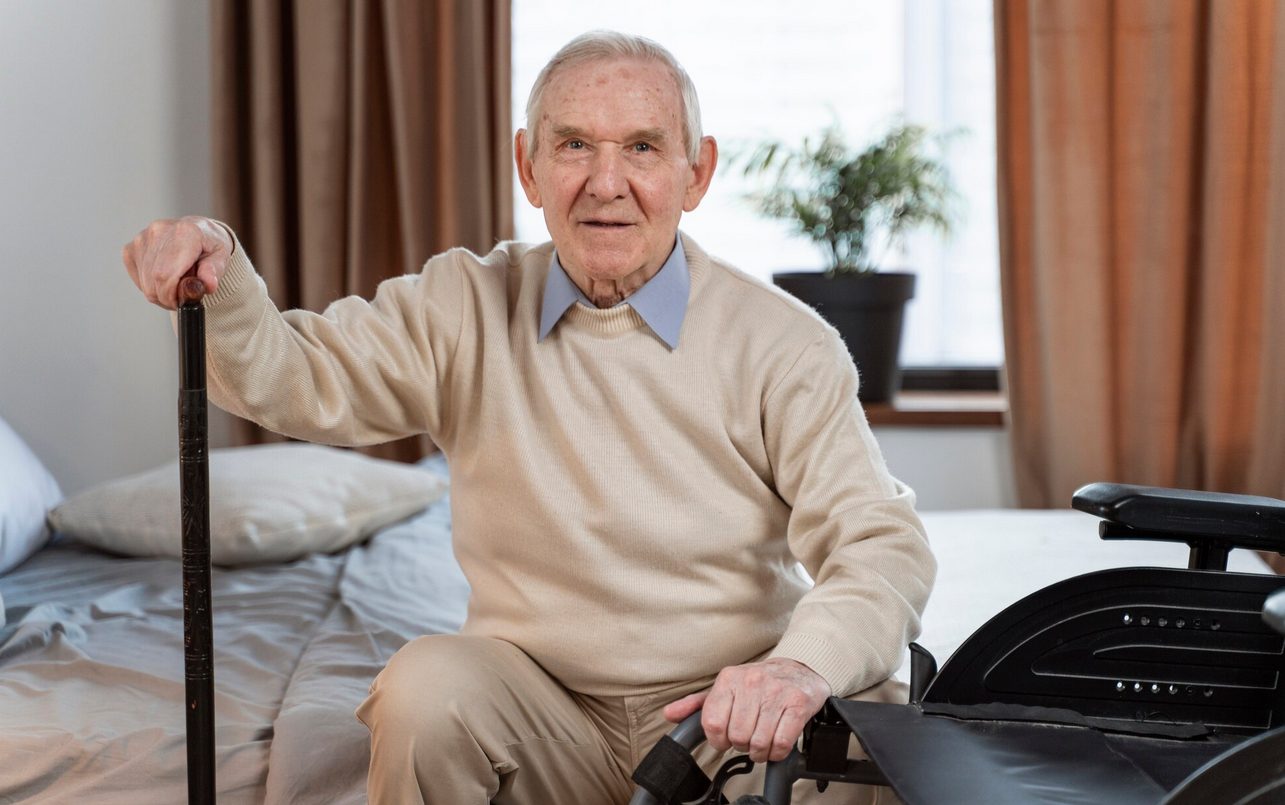
Home-based physiotherapy brings expert treatment directly to you, offering convenience, personalized care, and better outcomes. This comprehensive guide explains the benefits, what to expect, and how home physiotherapy can transform your recovery and wellbeing.
What is home-based physiotherapy?
Definition
- Qualified physiotherapist visits your home
- Assessment and treatment in familiar environment
- Personalized rehabilitation programmes
- Ongoing support and monitoring
- Family involvement possible
Who benefits?
- Difficulty traveling to clinic
- Post-surgery recovery
- After hospital discharge
- Chronic conditions
- Mobility problems
- Balance issues
- Prefer privacy of home
- Need environmental assessment
Key benefits of home physiotherapy
Convenience and accessibility
- No travel required
- Saves time and energy
- No parking hassles
- Weather independent
- Flexible scheduling
- Accessible for all mobility levels
Personalized treatment
- One-to-one attention
- Tailored to your needs
- Focused on your goals
- Adapted to your environment
- Progresses at your pace
Comfort and privacy
- Familiar surroundings
- More relaxed
- Private treatment
- Comfortable clothing
- Your own facilities
Functional assessment
- See actual home environment
- Identify real-world challenges
- Practice in actual setting
- Address specific obstacles
- Practical solutions
Family involvement
- Family can observe
- Learn how to help
- Ask questions
- Understand treatment
- Support recovery
Better outcomes
- Higher treatment adherence
- More relevant exercises
- Immediate environmental modifications
- Reduced hospital readmissions
- Faster functional recovery
What home physiotherapy treats
Post-surgical rehabilitation
- Hip or knee replacement
- Other joint surgeries
- Fracture repairs
- Spinal surgery
- Cardiac surgery
Neurological conditions
- Stroke recovery
- Parkinson's disease
- Multiple sclerosis
- Peripheral neuropathy
- Balance disorders
Musculoskeletal problems
- Arthritis
- Back and neck pain
- Joint pain
- Muscle injuries
- Chronic pain
Respiratory conditions
- COPD
- Post-pneumonia
- Breathlessness management
- Chest infections
General deconditioning
- After illness
- Prolonged bed rest
- Hospital discharge
- General weakness
- Falls prevention
What to expect
First visit (assessment)
- 60-90 minutes typically
- Medical history review
- Physical assessment
- Functional testing
- Home environment review
- Goal setting
- Treatment plan discussion
- Initial exercises
Follow-up visits
- 45-60 minutes usually
- Progress review
- Hands-on treatment
- Exercise progression
- Problem-solving
- Education and advice
- Next steps planning
Frequency
- Varies by condition and needs
- Initially: 1-2 times weekly
- Progressing: Weekly or fortnightly
- Maintenance: Monthly or as needed
- Flexible to your requirements
Treatment techniques used
Exercise therapy
- Strengthening exercises
- Balance training
- Flexibility work
- Functional exercises
- Cardiovascular conditioning
Manual therapy
- Joint mobilization
- Soft tissue massage
- Stretching
- Pain relief techniques
Gait re-education
- Walking practice
- Balance training
- Walking aid assessment
- Outdoor confidence building
Education and advice
- Self-management strategies
- Pain management
- Activity modification
- Home safety
- Equipment recommendations
Home environment assessment
Safety evaluation
- Fall hazards identification
- Lighting assessment
- Floor surface review
- Furniture arrangement
- Bathroom safety
- Stair safety
Recommendations
- Grab rail installation
- Removing trip hazards
- Improved lighting
- Non-slip mats
- Furniture repositioning
- Equipment needs
Equipment and aids
Assessment and provision
- Walking aids (sticks, frames)
- Raised toilet seats
- Grab rails
- Perching stools
- Exercise equipment
- Pressure cushions
Training
- Correct use instruction
- Safety guidance
- Adjustment and fitting
- Maintenance advice
- When to upgrade
Preparing for home visits
Before first visit
- List current medications
- Note questions and concerns
- Prepare medical history
- Clear space for exercises
- Have comfortable clothing ready
- Invite family if desired
What you need
- Sturdy chair
- Comfortable space
- Exercise mat (if floor work)
- Water
- Any current aids or equipment
Maximizing benefits
Between visits
- Do prescribed exercises
- Follow advice
- Track progress
- Note any problems
- Stay active
- Apply what you've learned
Communication
- Be honest about difficulties
- Ask questions
- Report changes
- Discuss concerns
- Share goals
Cost and funding
Private physiotherapy
- Self-funded option
- Flexible scheduling
- Choice of therapist
- Immediate access
- Costs vary by provider
Insurance coverage
- Check policy details
- Pre-authorization may be needed
- Number of sessions may be limited
- Receipts provided
NHS services
- Available in some areas
- Referral required
- Waiting lists possible
- Limited session numbers
Choosing a home physiotherapist
Qualifications to look for
- HCPC registered
- CSP member
- Relevant experience
- Specialist training
- Professional indemnity insurance
- DBS checked
Questions to ask
- Experience with your condition
- Availability
- Costs and payment
- Treatment approach
- Expected outcomes
- Session frequency
The role of physiotherapy
Community / Home-Based Physiotherapy provides:
- Comprehensive home assessments
- Personalized treatment programmes
- Hands-on therapy
- Exercise prescription
- Environmental modifications
- Equipment provision
- Family education
- Ongoing support
The bottom line
Home-based physiotherapy offers:
- Convenience and accessibility
- Personalized care
- Functional, relevant treatment
- Family involvement
- Better outcomes
- Comfort and privacy
- Environmental assessment
- Flexible scheduling
Home physiotherapy brings expert care to you, making treatment more convenient, effective, and relevant to your daily life. It's an excellent option for older adults who find clinic visits challenging or prefer the comfort of home.
Need physiotherapy at home?
Our Community / Home-Based Physiotherapy service provides expert treatment in the comfort of your home. We assess, treat, and support you to achieve your goals with personalized, convenient care.
Get in touch Learn about Community / Home-Based Physiotherapy

About Lizzie Thornton
Lizzie Thornton is a specialist community physiotherapist with over 15 years of experience providing home-based physiotherapy. She is HCPC registered and a member of the Chartered Society of Physiotherapy. Lizzie provides home physiotherapy visits across Staffordshire Moorlands and Cheshire East.