Recovering After a Hip or Knee Replacement at Home
Published
Local Physiotherapist — Naveen Ramakrishnan, Merseyside
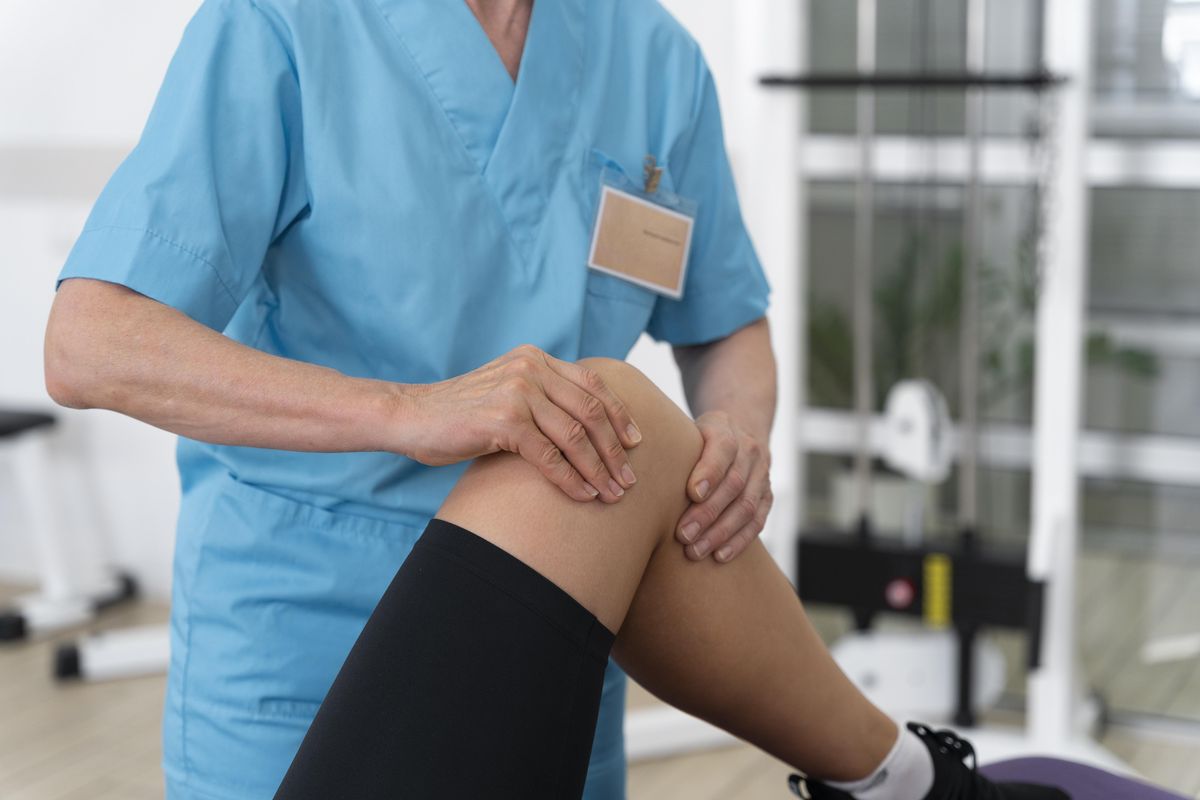
A joint replacement is a very successful operation, but the result you end up with depends heavily on the rehabilitation that follows it. The surgery fixes the joint; the physiotherapy is what gets you using it properly again.
What recovery actually looks like
The first couple of weeks are largely about managing swelling and pain, getting moving safely, and being able to manage essentials like stairs and getting in and out of a chair or bed.
From roughly weeks two to six, the focus shifts to restoring range of movement and starting to rebuild strength. This is the stage where consistent daily work makes the biggest difference to the eventual outcome.
Beyond six weeks, it becomes about strength, balance, walking pattern and confidence, gradually returning to the activities that matter to you. Meaningful improvement often continues for a year or more.
Knees need more chasing than hips
This surprises people. A new hip often feels straightforward relatively quickly. A new knee is usually harder work, because knees stiffen readily and losing extension, the ability to straighten fully, is difficult to get back once it has set in.
Getting a knee fully straight is not optional. It affects how you walk, and a knee that never regains full extension tends to cause problems further down the line.
Common mistakes
- Stopping too early because it feels better. Feeling better is not the same as being strong again.
- Doing far too much on a good day, then paying for it for the next three.
- Avoiding the uncomfortable exercises, which are frequently the ones that matter most.
- Relying entirely on the walking aid long after it is needed, which entrenches a limp.
- Treating pain as damage. Some discomfort during rehabilitation is expected and is not a sign of harm.
Why home rehabilitation suits this well
After joint replacement surgery, travelling to appointments is exactly what you least want to do. More importantly, the goals are all domestic: your stairs, your chair, your bed, your bathroom. Working on them where they actually are is far more useful than practising on standardised equipment in a clinic.
Home visits also mean practical advice about chair height, bed transfers, and whether a rail would help, based on your actual home rather than a description of it.
If your recovery has stalled
It is common to be discharged from hospital physiotherapy while still some way short of where you want to be. If progress has plateaued, if the knee will not straighten, or if you are still limping months later, that is usually addressable rather than something you have to accept.
Home visits across Merseyside
Post-operative rehabilitation is available at home across Liverpool, Birkenhead, St Helens, Southport, Bootle and across Merseyside.
Book a home visit in Merseyside
A free phone enquiry is the easiest place to start — talk through what is going on and check whether home physiotherapy is the right fit. No GP referral is needed.
Please mention Mobile Physiotherapist.co.uk

About Naveen Ramakrishnan
Naveen Ramakrishnan is a chartered physiotherapist (HCPC registered (PH127898), MCSP 115383) with around 14 years of experience, providing home visit physiotherapy across Liverpool, Birkenhead, St Helens, Southport, Bootle and across Merseyside. He specialises in musculoskeletal and sports injury rehabilitation, back and neck pain, joint pain, post-operative and orthopaedic recovery and older adults rehabilitation. He assesses and diagnoses directly, so there is no wait for a GP referral before treatment can start.
Read Naveen's profile or call 07553 370300.
Please mention Mobile Physiotherapist.co.uk when you call.